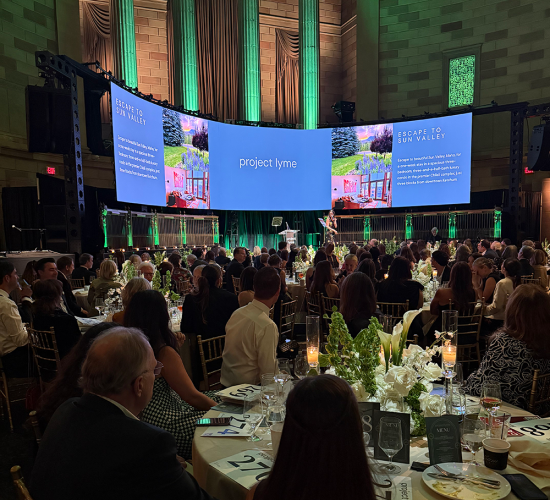
On September 14, 2026, the Lyme disease community gathered at Gotham Hall in New York City for the Project Lyme 10th Anniversary Gala, celebrating a decade of Lyme disease advocacy, patient support, research, education and community.
Tick Boot Camp co-founders Matt Sabatello and Rich Johannesen attended the gala alongside Lyme disease researchers, physicians, nonprofit leaders, advocates, patients, entrepreneurs and families who have transformed their own experiences with tick-borne illness into action.
The evening honored Phyllis and Scott Bedford, founders of the LymeLight Foundation, and Jessica Kane Berman of BodyBio while highlighting the work of physician Dr. Tania Dempsey and MIT researcher Dr. Michal “Mikki” Tal.
For Tick Boot Camp, the night reinforced something we see repeatedly through hundreds of conversations with patients, doctors, researchers and advocates: progress in Lyme disease happens when people who have traditionally worked in separate spaces come together.
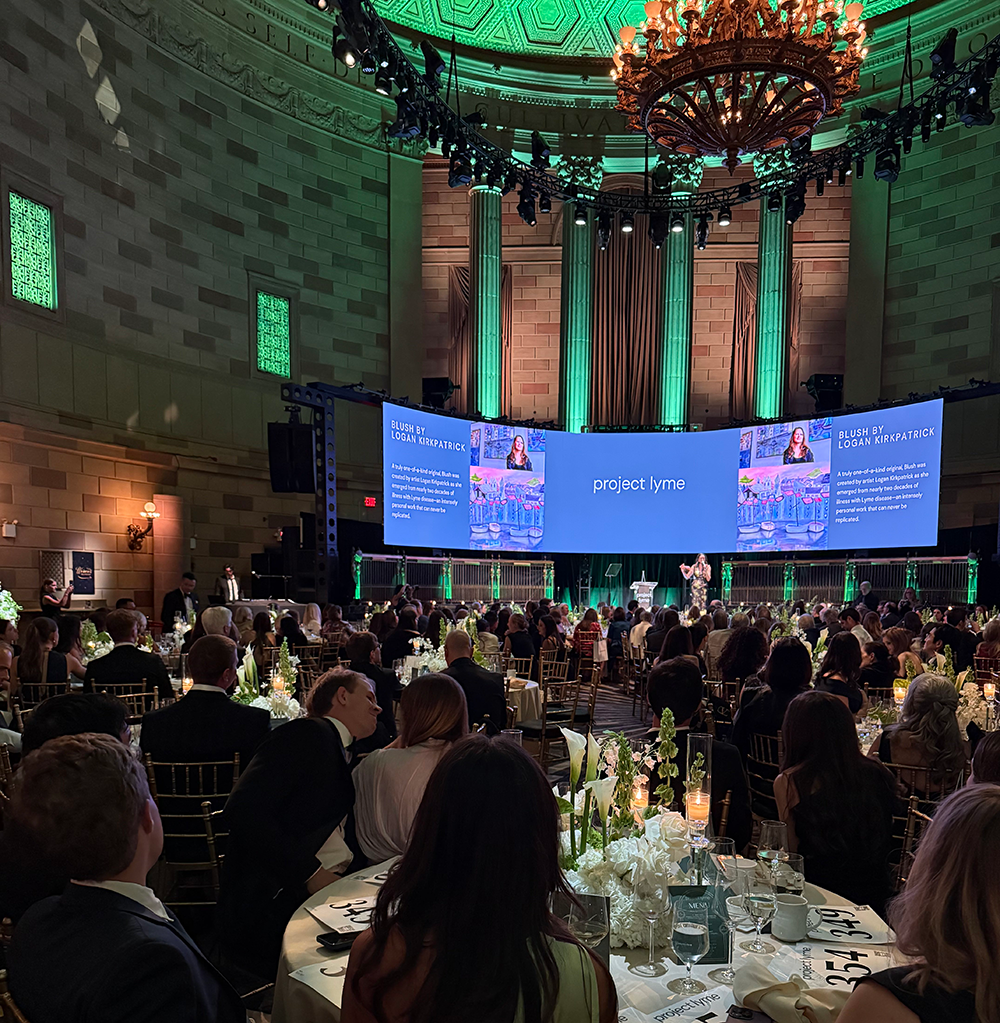
Celebrating 10 Years of Project Lyme
Project Lyme described its 10th Anniversary Gala as an evening celebrating hope, progress and impact while recognizing the patients and families supported, awareness created and research advanced during the organization’s first decade.
The September 14 event brought that mission to life.
Throughout Gotham Hall were people approaching Lyme disease from very different directions:
- Patients and survivors sharing lived experience
- Physicians caring for people with Lyme and complex chronic illness
- Scientists investigating the biological mechanisms of disease
- Nonprofits funding research, treatment and advocacy
- Entrepreneurs developing new tools for patients and tick prevention
- Writers and journalists documenting the realities of chronic illness
- Advocates fighting for recognition, research funding and better care
Despite those different roles, the goal was remarkably similar: create a future where people affected by Lyme disease and tick-borne illness can find answers and support faster.
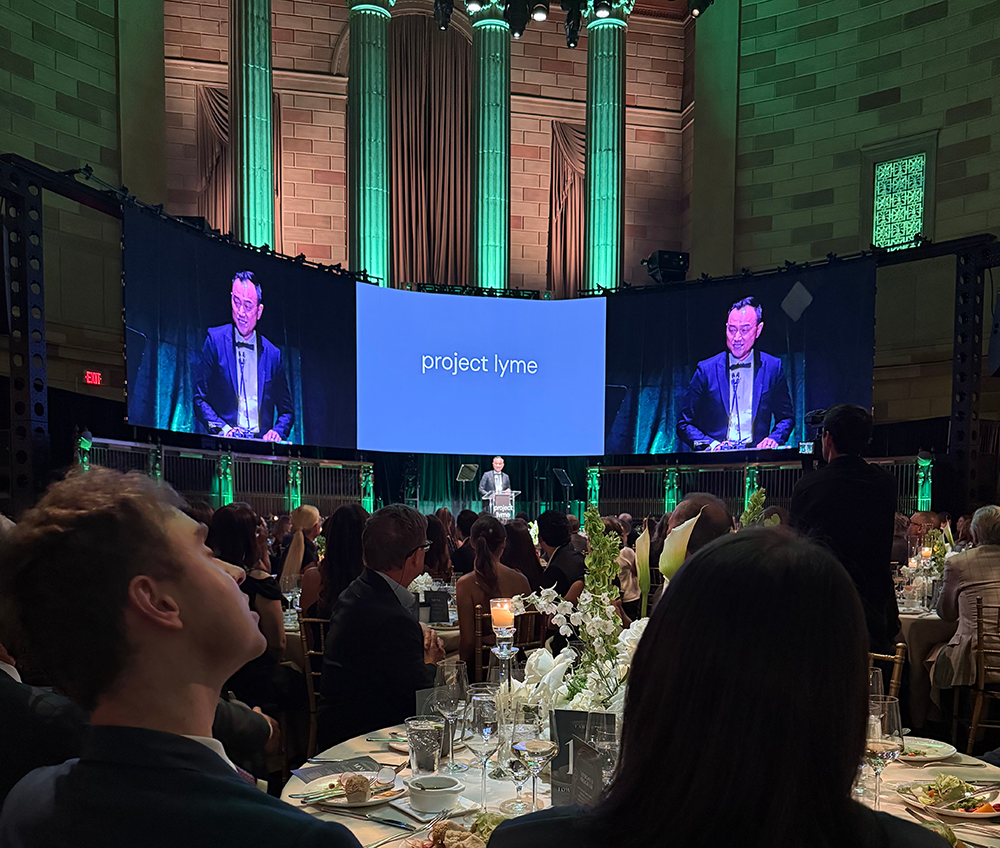
Phyllis and Scott Bedford Honored for Transforming Lyme Disease Treatment Access
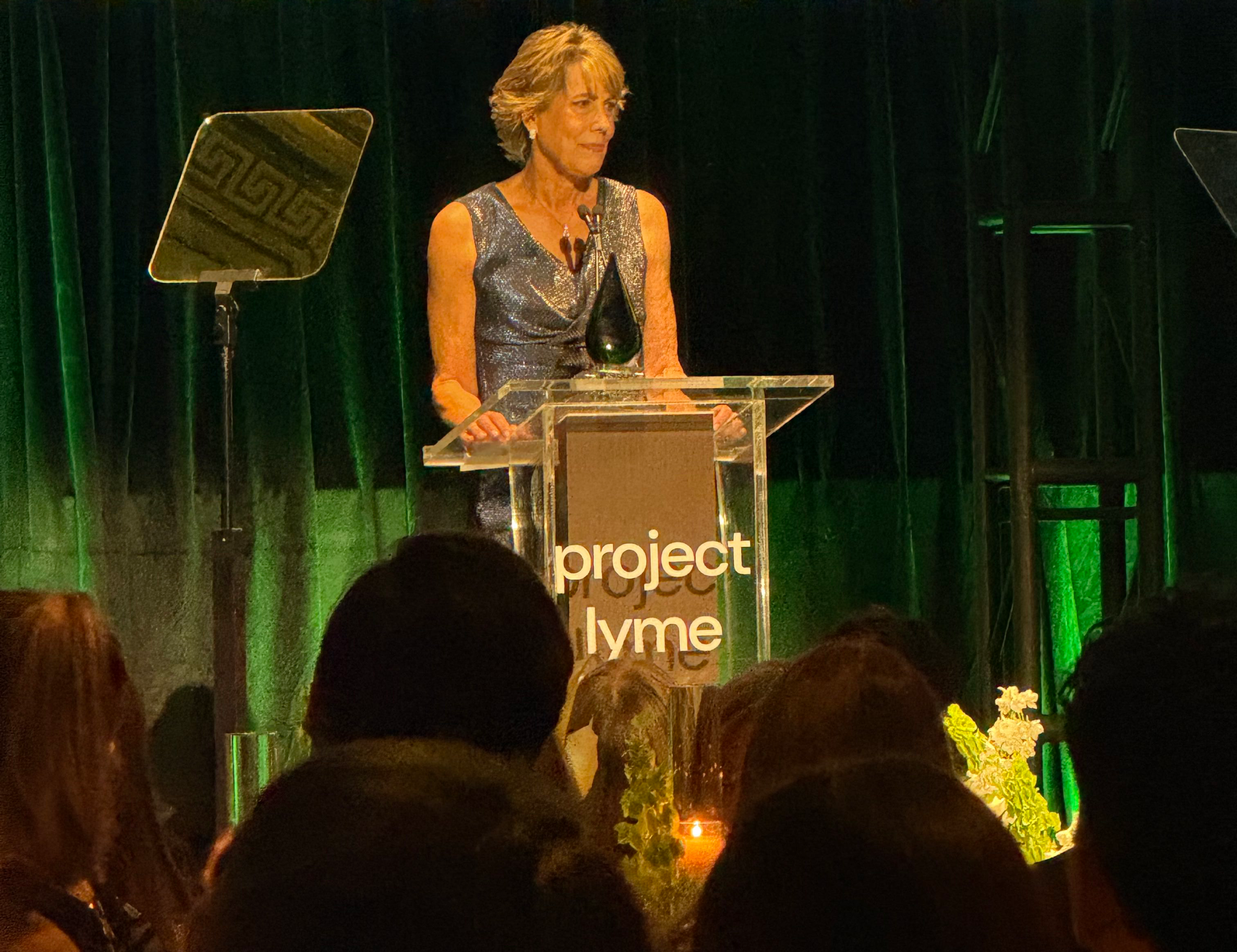
One of the evening’s most powerful recognitions went to Phyllis and Scott Bedford.
Phyllis Bedford and her husband Scott co-founded the LymeLight Foundation after experiencing the impact of Lyme disease within their own family.
Project Lyme reported that the foundation has provided more than $12 million in grants to 1,639 people across all 50 states, helping children and young adults access Lyme disease treatment that their families might otherwise struggle to afford.
Phyllis serves as co-founder and executive director of LymeLight Foundation and has also become an important advocate for families affected by Lyme disease, including raising awareness about congenital Lyme disease.
Their work demonstrates one of the realities frequently discussed on the Tick Boot Camp Podcast: chronic illness can create an enormous financial burden in addition to its physical and emotional impact.
The evening also created an opportunity for Tick Boot Camp to reconnect with Phyllis alongside Dr. James Bruzzese.
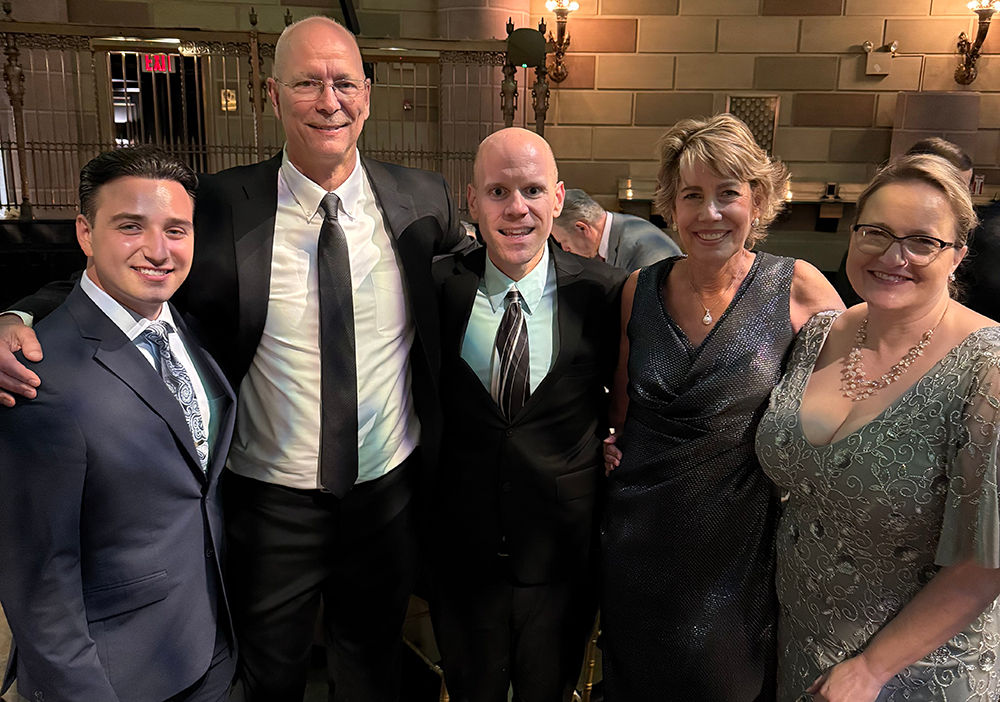
Dr. James Bruzzese brings a particularly personal perspective to Lyme disease medicine. His younger sister Julia became severely ill with Lyme disease as a child and eventually lost her ability to walk. Watching his sister and family navigate that experience helped shape his decision to care for people affected by Lyme and tick-borne illness.
His story represents something hopeful for the community: a new generation of physicians entering medicine with firsthand knowledge of how profoundly Lyme disease can affect an entire family.
MIT Researcher Dr. Michal “Mikki” Tal Highlights the MAESTRO Study
One of the most anticipated scientific presentations of the evening came from Dr. Michal “Mikki” Tal, Principal Scientist in MIT’s Department of Biological Engineering and leader of the Tal Research Group.
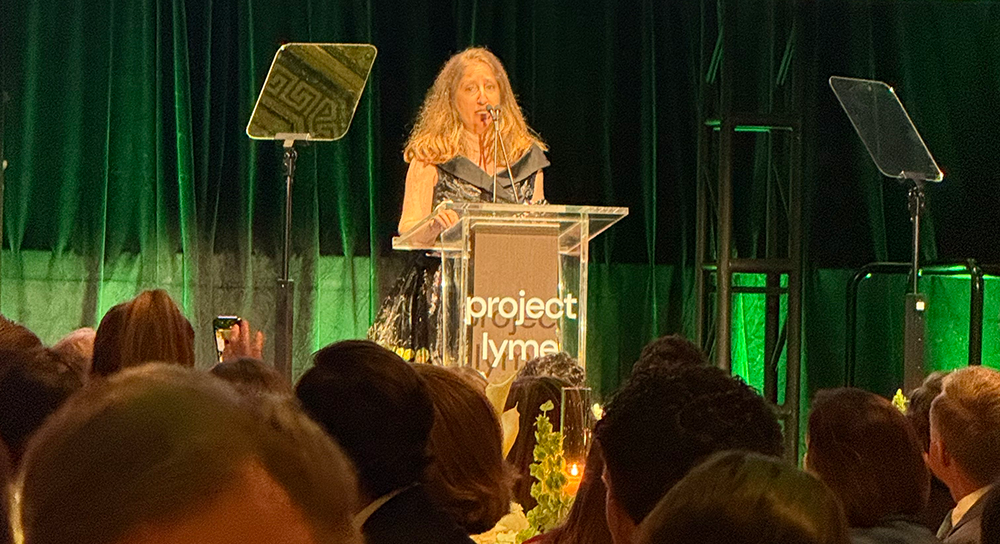
Project Lyme selected Dr. Tal’s MAESTRO Study as its featured 2026 research initiative.
MAESTRO — Measure Absolutely Everything So Tests Can Be Reliable and Objective — is using extensive biological and physiological measurements to investigate Lyme disease and other infection-associated chronic illnesses.
The research combines areas including immunology, engineering, advanced biological measurements and artificial intelligence, collecting more than one million data points per participant in an effort to make aspects of chronic illness objectively measurable.
Among the technologies being explored is capillaroscopy, a noninvasive method for examining tiny blood vessels and investigating measurable vascular changes associated with illness.
Tick Boot Camp previously sat down with Dr. Tal for an extensive conversation about why some people recover after Lyme disease while others remain chronically ill, immune dysfunction, brain fog, women’s health and what scientists are learning through MAESTRO.
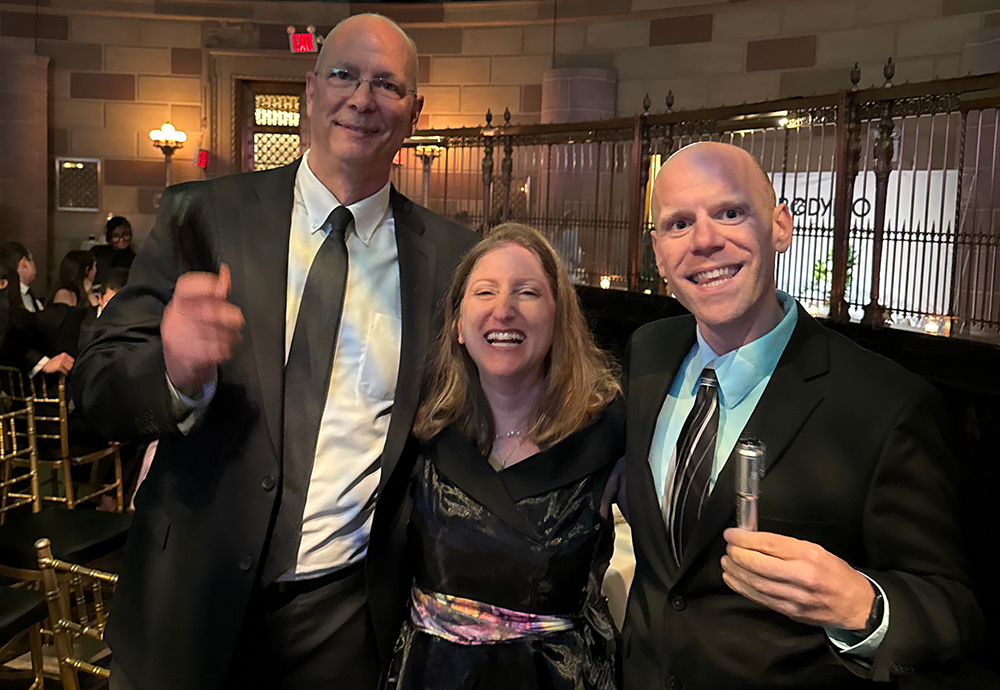
Research like MAESTRO matters because Lyme patients have spent decades describing symptoms that are difficult to quantify using conventional tests.
Finding objective biological measurements could help bridge the gap between what patients experience and what medicine can measure.
Dr. Tania Dempsey on Lyme Disease, MCAS and Complex Chronic Illness
Tania Dempsey, MD served as the gala’s featured physician speaker.
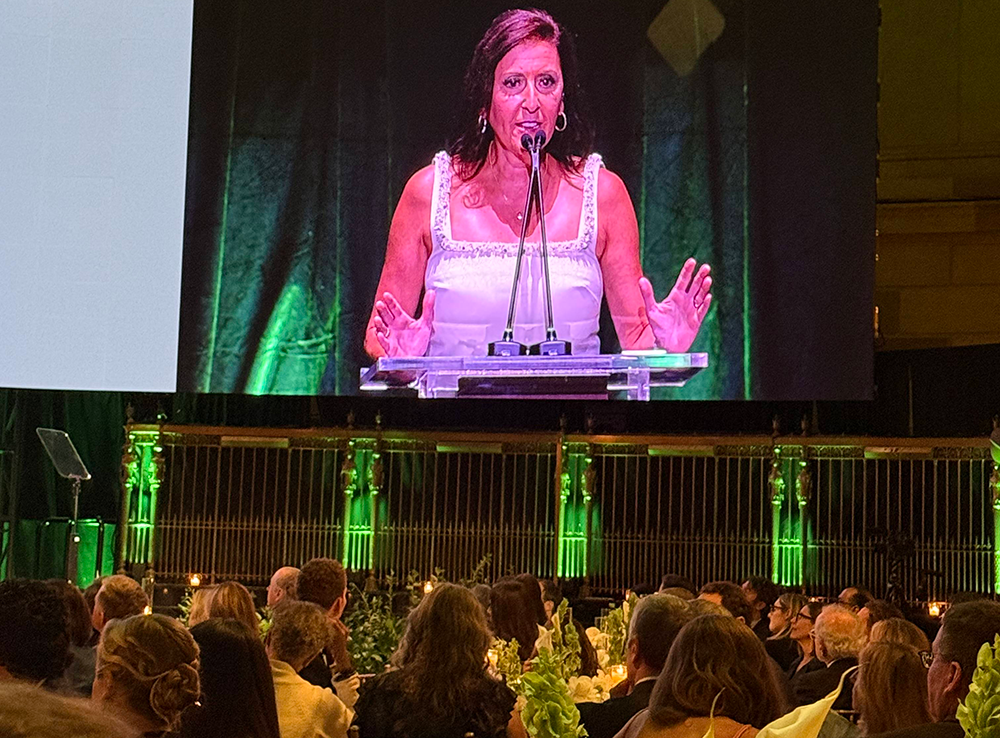
Dr. Dempsey is a board-certified internal medicine physician and founder of the AIM Center for Personalized Medicine in Purchase, New York. Her clinical work focuses on patients with complex chronic illness, including Lyme disease and other tick-borne infections, Mast Cell Activation Syndrome, immune dysregulation and overlapping multisystem conditions.
Her work is especially important for patients whose illnesses do not fit neatly within one medical specialty.
Tick Boot Camp explored these connections with Dr. Dempsey in our in-depth conversation about MCAS, chronic Lyme disease, biofilms and precision medicine.
Jessica Kane Berman: Turning a Lyme Diagnosis Into Purpose
The gala also honored Jessica Kane Berman of BodyBio.
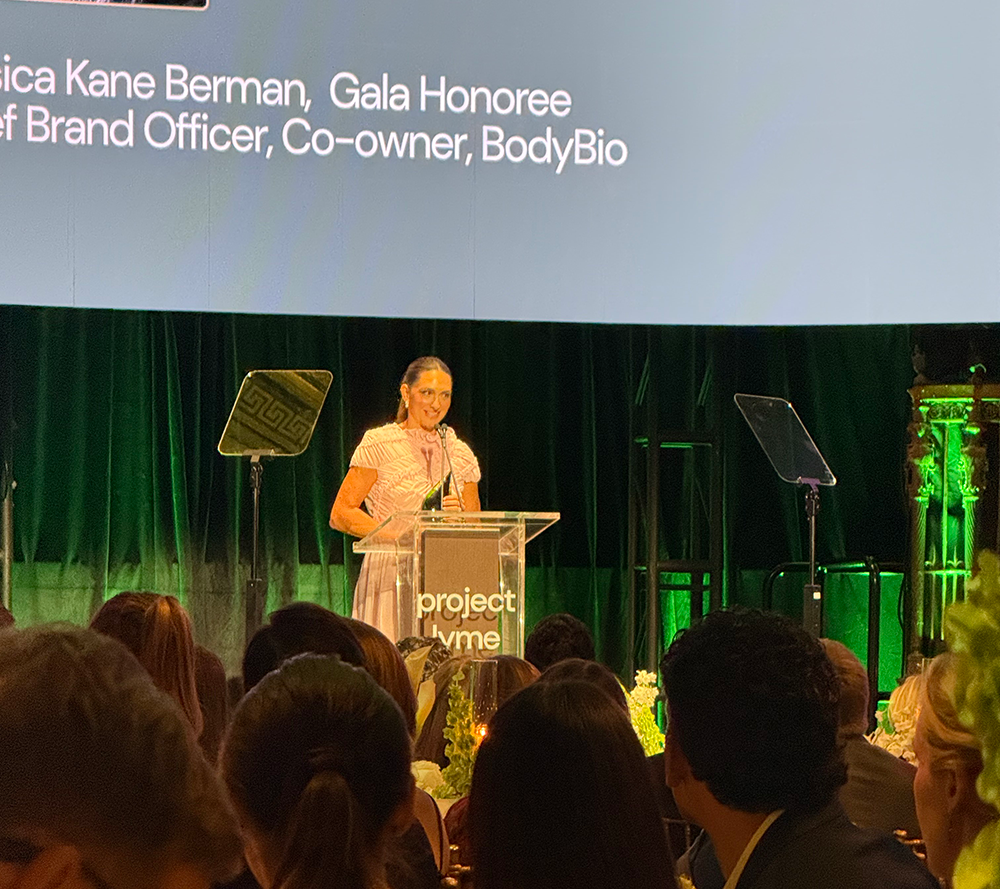
Berman’s own health journey included years of seemingly disconnected health problems before comprehensive testing ultimately identified longstanding Lyme disease.
Project Lyme highlighted what happened after that diagnosis: she transformed her personal experience into a broader mission of helping people better understand their health and the importance of rebuilding resilience.
Her story reflects a theme deeply connected to Tick Boot Camp’s mission — receiving a diagnosis can provide validation, but healing often involves much more than simply putting a name to an illness.
Krista Williams Hosts an Evening Focused on Hope
The gala was hosted by Krista Williams, co-host of the Almost 30 podcast, speaker, coach and author.
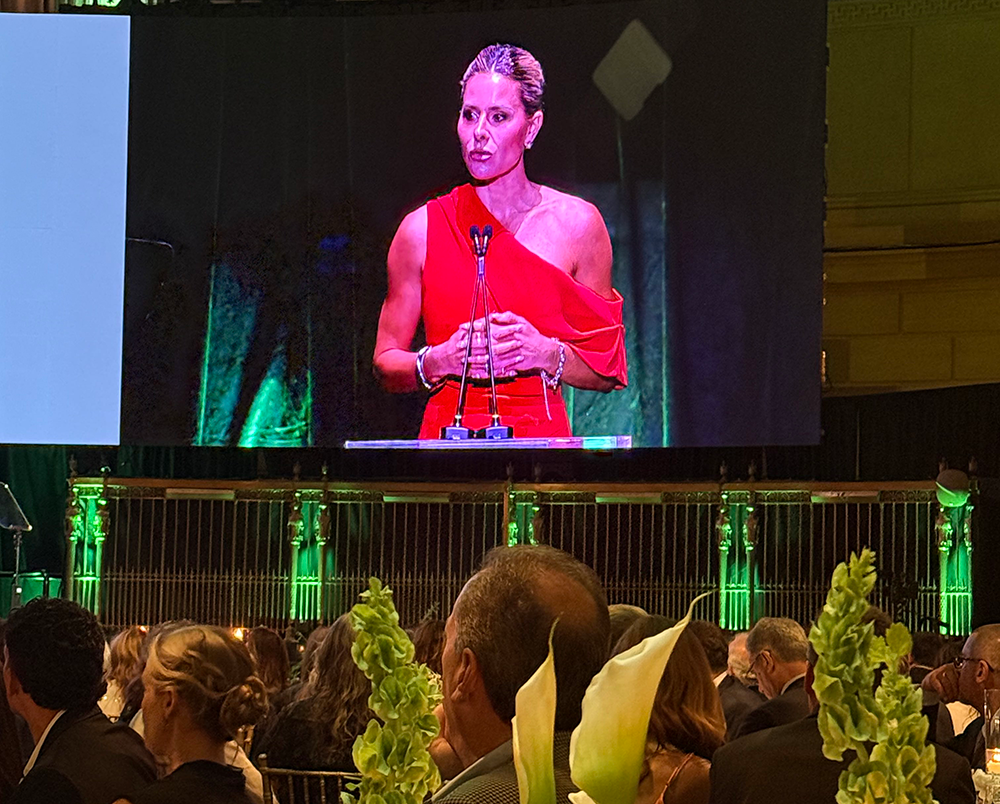
Williams helped guide an evening that moved between deeply personal patient experiences, medicine, scientific research, philanthropy and optimism about what the Lyme community can accomplish during the next decade.
Ali Moresco: Turning Patient Experience Into Lyme Disease Advocacy
Ali Moresco has been part of the Tick Boot Camp community for years and remains one of the most active connectors in Lyme disease advocacy.
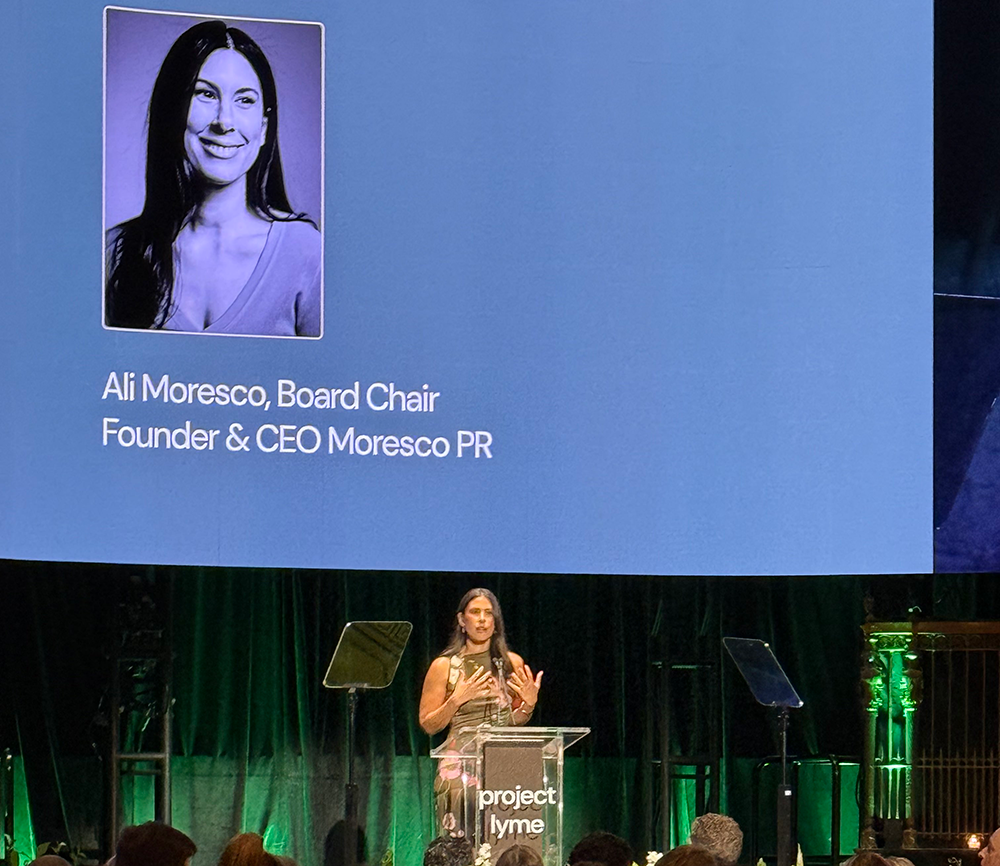
After her own lengthy journey through complex chronic and tick-borne illness, Ali increasingly directed her communications experience toward healthcare advocacy.
Today she serves as Board Chair of Project Lyme.
Her work has helped bring together patients, researchers, doctors, nonprofits, policymakers and other organizations that might otherwise remain separated in their individual areas of the Lyme disease world.
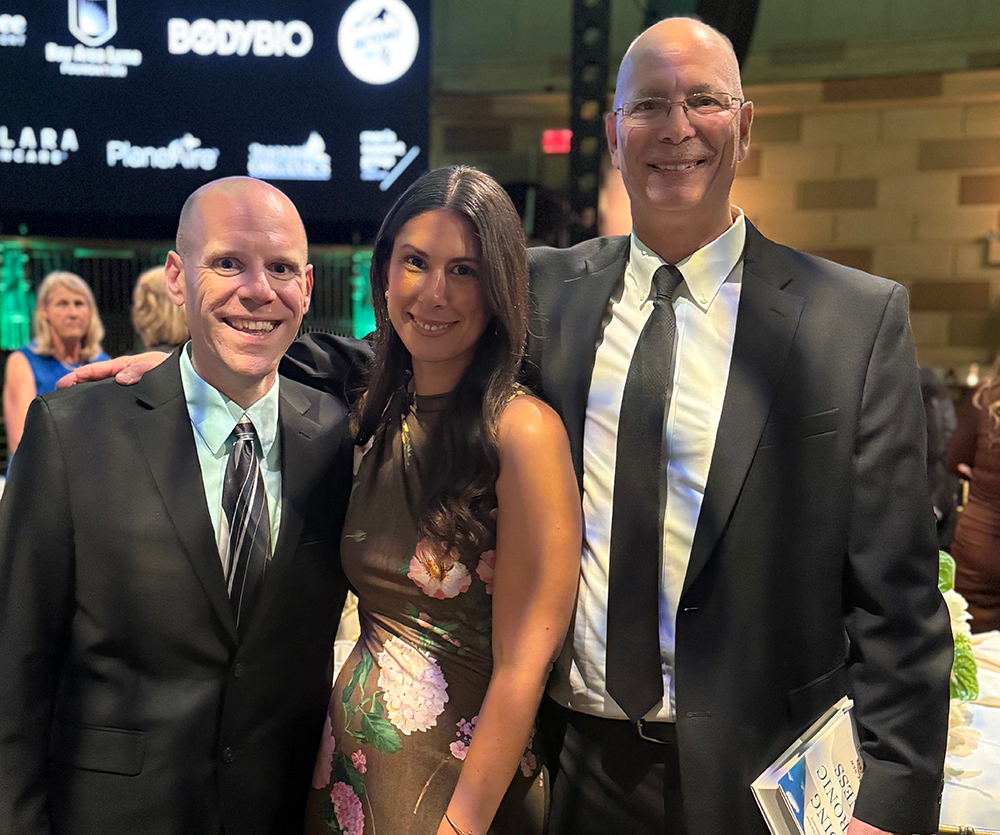
Ali has also collaborated with Tick Boot Camp on conversations connecting Lyme disease and infection-associated chronic illness with emerging areas of research, including the potential role of infections in neurological and neurodegenerative disease.
Amy Kurtz and Olivia Abrams: Advocacy Through Storytelling and Prevention
Amy Kurtz and Olivia Abrams represent two very different but complementary forms of Lyme disease advocacy.
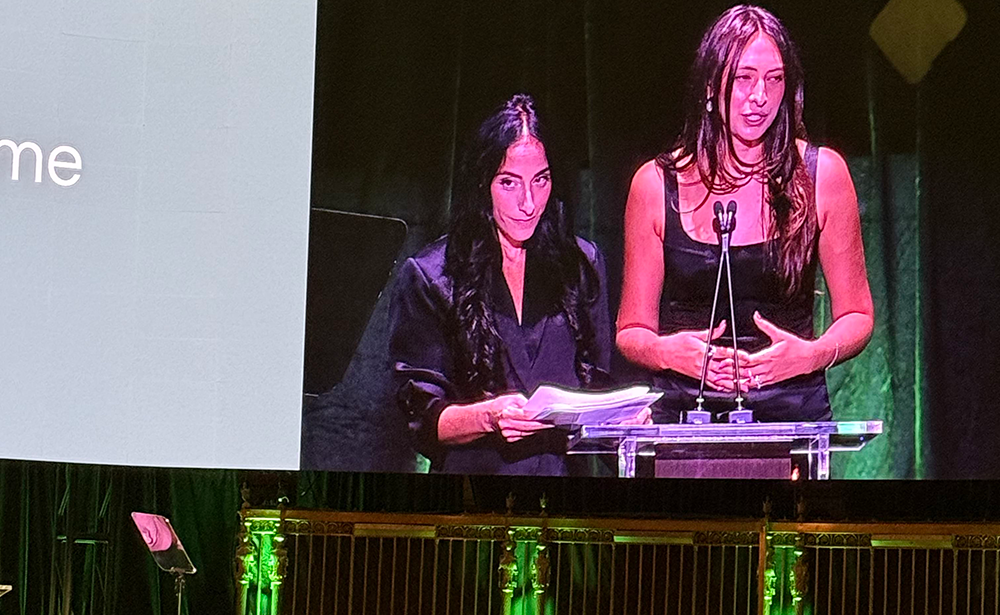
Amy is a bestselling author, health coach, advocate and Lyme disease survivor whose latest work examines what she calls Medical Trauma Brain — the emotional and neurological aftermath that can remain after years of chronic illness, medical uncertainty and survival mode.
She recently joined Tick Boot Camp in our studio for an extensive discussion about Lyme disease recovery, Medical Trauma Brain and reclaiming life after chronic illness.
Olivia Abrams is co-founder and CEO of TiCK MiTT and a leader on Project Lyme’s Emerging Leaders Board. A Lyme patient herself, she has turned her experience into prevention advocacy and entrepreneurship.
Together, their work illustrates the breadth of Lyme advocacy: helping prevent the next tick bite while supporting those already navigating the consequences of illness.
Carter and Payton Bradsky Bring Patient Experience and AI Together
The gala also brought us back together with Carter and Payton Bradsky, the sibling co-founders of LymeLess.
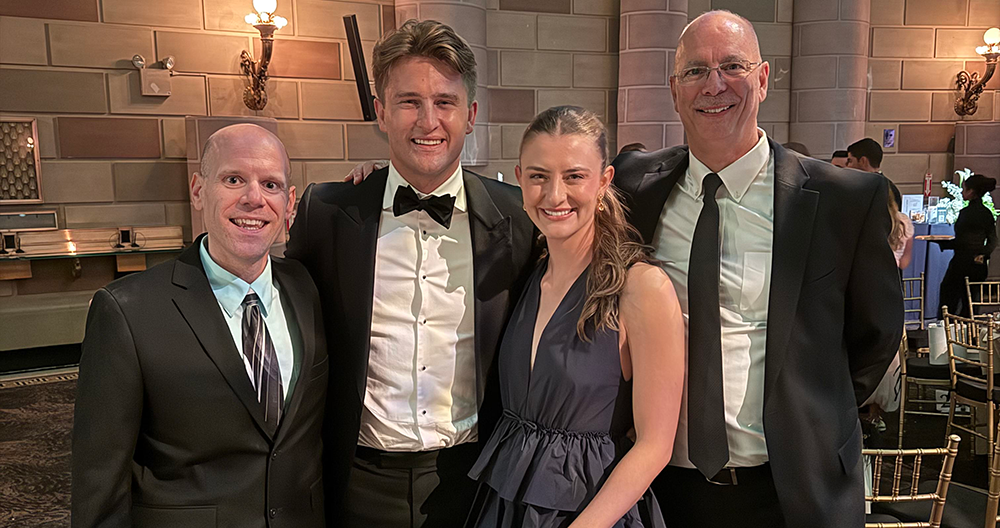
Lyme disease affected multiple members of the Bradsky family. After watching their mother spend years searching for answers, Carter and Payton eventually faced their own Lyme and tick-borne illness journeys.
They combined those experiences with backgrounds in technology, engineering, data and business to build LymeLess, a platform designed around patient experience and artificial intelligence.
Their recent Tick Boot Camp interview about AI, patient data and the future of Lyme disease care explored a fascinating question: what if the experiences accumulated by thousands of Lyme patients could help future patients navigate complex illness more efficiently?
Dr. Liz Horn and the Push for Better Lyme Disease Testing
We also connected with Dr. Liz Horn, Principal Investigator of the Lyme Disease Biobank.
Dr. Horn’s work is helping researchers access carefully characterized biological samples needed to study Lyme disease and develop better diagnostics.
She recently joined Tick Boot Camp to discuss research evaluating standard and modified two-tier Lyme disease testing using well-characterized early Lyme samples.
That conversation examined one of the most consequential challenges facing Lyme patients: current antibody-based testing can have limited sensitivity during early infection, precisely when timely recognition can be most important.
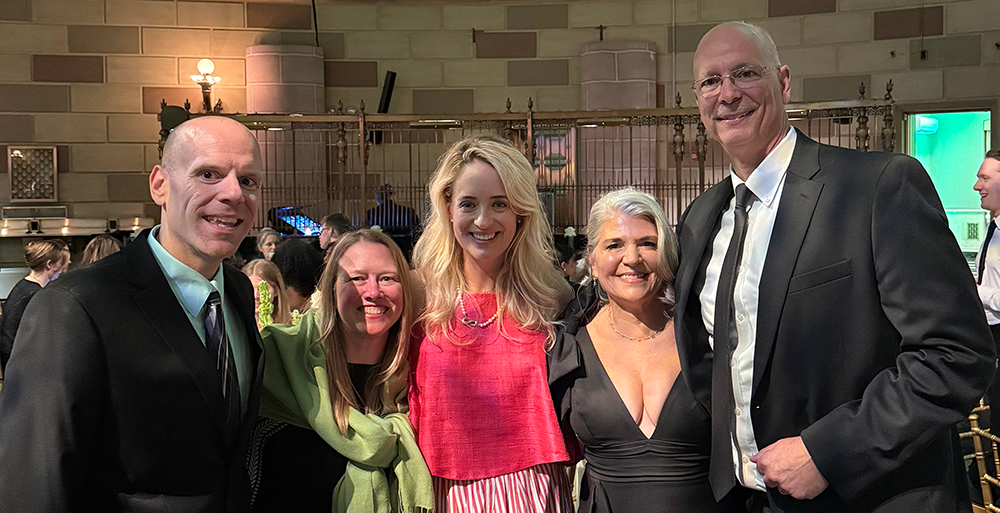
Joining Dr. Horn in this photo are journalist and author Amanda Fairbanks and Lyme disease advocate Lisa-Jae Eggert.
Fairbanks has publicly documented her own experience with Lyme disease after an initial bullseye rash was reportedly misdiagnosed, bringing attention to the consequences that can follow delayed recognition of tick-borne illness.
Eggert is a Lyme and tick-borne disease advocate whose family’s experiences with tick-borne disease became part of her mission to educate others about prevention.
Illinois Lyme Advocates Continue Turning Experience Into Policy and Education
The evening also brought together Jenny Buttaccio, Jennifer Russell and Lauren Russell with Tick Boot Camp.
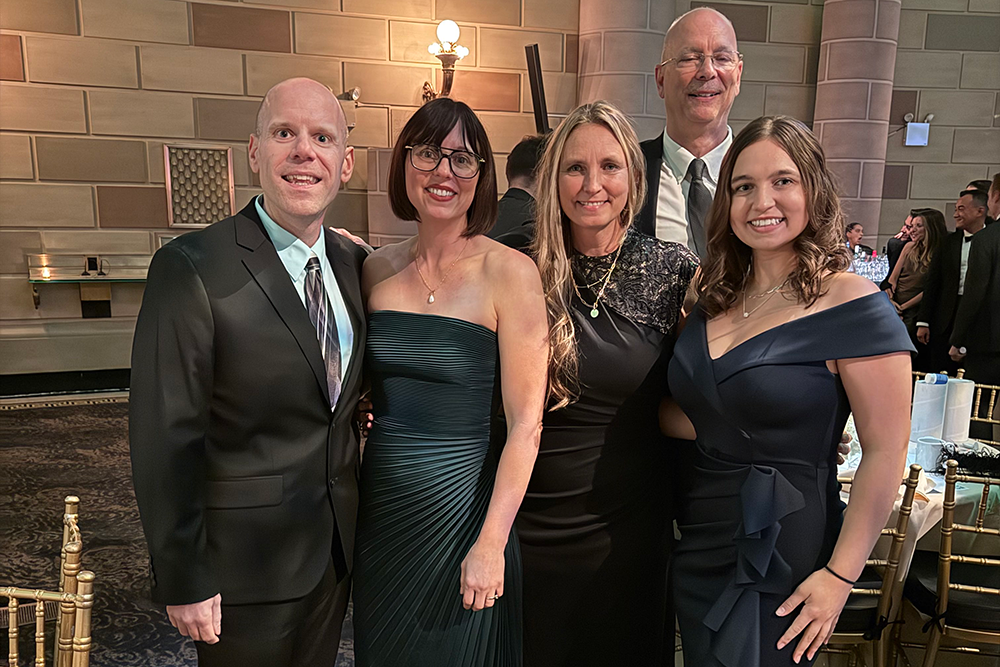
Jenny Lelwica Buttaccio is Editorial Director of the Illinois Lyme Association, a longtime Lyme disease writer and advocate who has spent years translating patient experience into education.
Jennifer Russell has also been an important voice in Illinois Lyme disease advocacy, including work surrounding state recognition, education and legislation addressing Lyme disease.
The Russell family’s advocacy helped inspire the Lauren Russell Lyme Disease Prevention and Protection Law in Illinois — an example of how one family’s experience can ultimately contribute to policy affecting an entire state.
These efforts matter because awareness cannot stop at telling people Lyme disease exists. Effective advocacy can influence education, clinician awareness, insurance policy, research funding and the systems patients encounter when they become sick.
Christina Kovacs and the Power of Making Invisible Illness Visible
Christina Kovacs, also known through her advocacy work as Lady of Lyme, reunited with Tick Boot Camp at the gala.
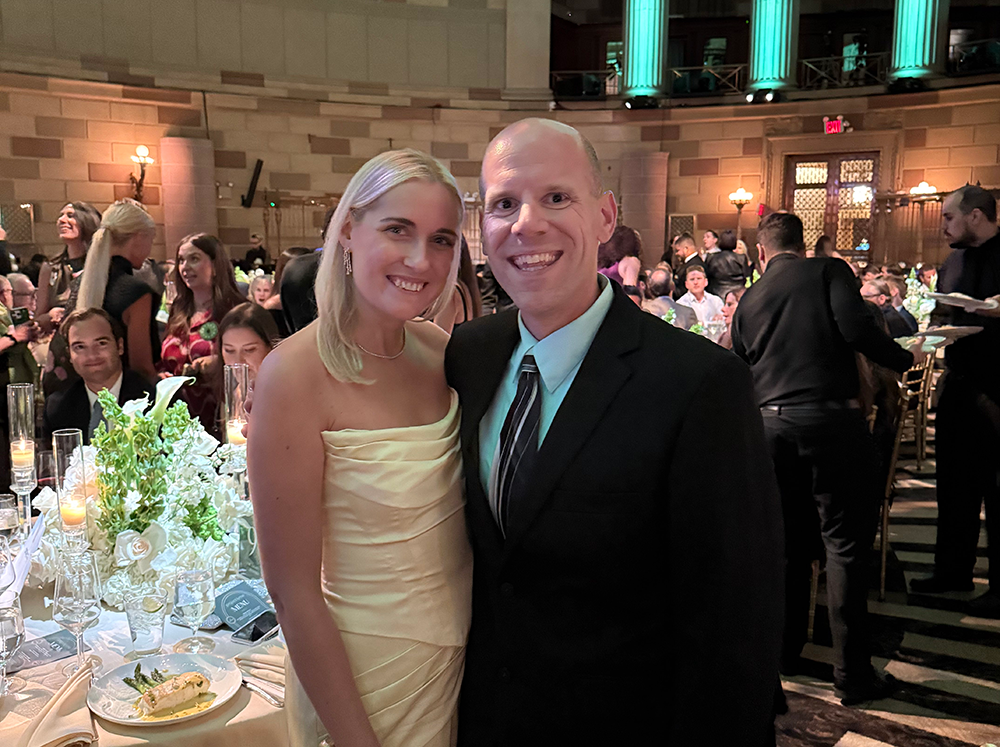
After years of illness and a delayed Lyme diagnosis, Christina turned her experience into advocacy.
She was also instrumental in Project Lab Coat at New York Fashion Week, where Lyme patients, doctors, scientists, advocates and public figures walked the runway together to bring visibility to diseases that are too often invisible.
Tick Boot Camp was honored to participate in that event alongside Christina and many of the people who reunited at the Project Lyme gala.
Brooke Stoddard and Generation Lyme
Brooke Stoddard is co-founder and board member of Generation Lyme, an organization built around education, connection and peer support for people affected by Lyme disease.
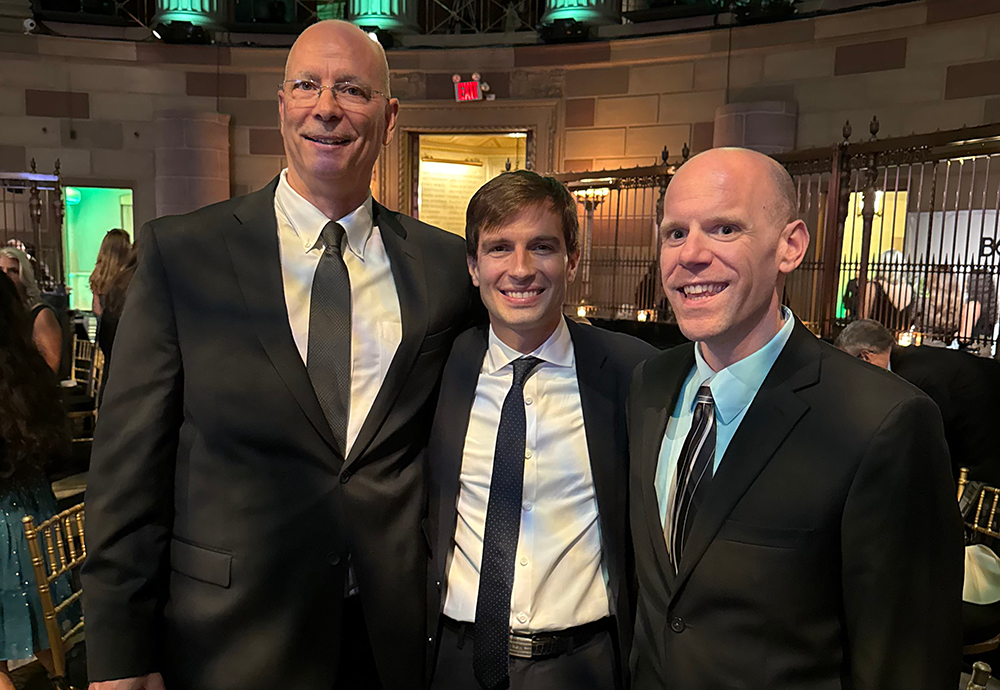
Brooke’s advocacy grew from his own Lyme disease experience. After becoming ill and receiving a diagnosis years later, he became deeply involved in helping other patients find community and support.
That patient-to-patient connection remains one of the most important resources in the Lyme community.
A diagnosis can explain what is happening medically. Community can help someone realize they do not have to navigate it alone.
Olivia Flowers Continues Honoring Her Brother Through Lyme Advocacy
Olivia Flowers, known to many from Bravo’s Southern Charm, has used her platform to raise awareness about Lyme disease following the illness and death of her brother, Conner Flowers.
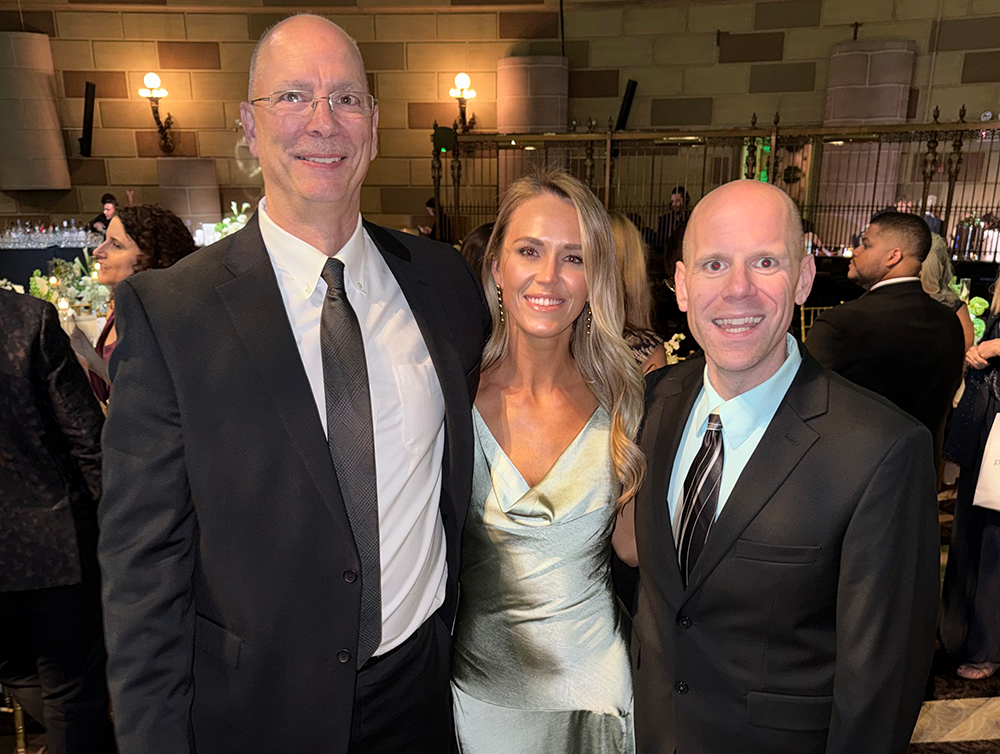
Olivia previously served as a featured speaker at Project Lyme’s 2024 gala, where she publicly shared her brother’s experience with Lyme disease.
She also joined patients, doctors, scientists and advocates at Project Lab Coat during New York Fashion Week, using her public platform to help make Lyme disease visible to audiences far beyond the traditional medical and patient communities.
Dr. Richard Horowitz: Decades of Lyme Disease Clinical Care and Research
Few physicians have been connected to the Lyme disease community for as long as Dr. Richard Horowitz.
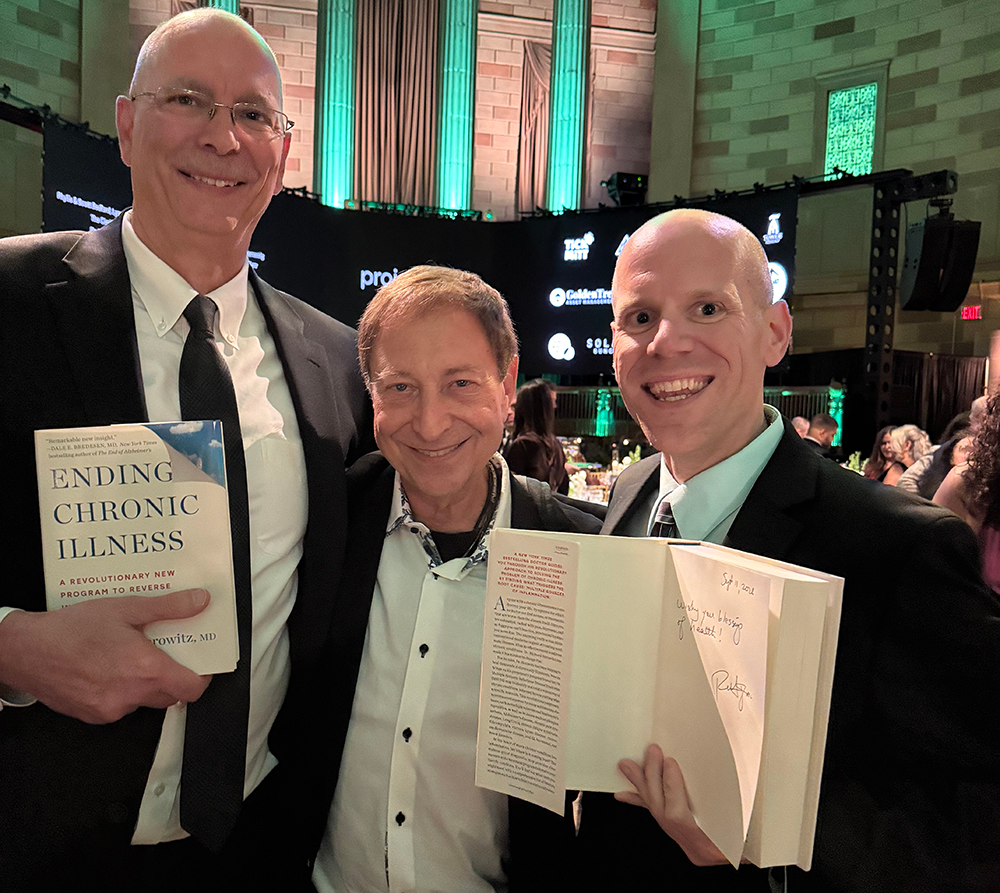
Dr. Horowitz is a board-certified internist and longtime Lyme disease clinician known for developing the Multi-Systemic Infectious Disease Syndrome, or MSIDS, model for evaluating patients with complex chronic illness.
He has joined Tick Boot Camp repeatedly over the years to discuss Lyme disease, coinfections, persistent symptoms, diagnostics, treatment and emerging research.
His continued involvement also illustrates why events like the Project Lyme gala matter: veteran clinicians who have spent decades treating Lyme patients are now sharing the room with a new generation of researchers, physicians, technology founders and advocates.
A Lyme Disease Community Built Through Relationships
Perhaps the most important part of the gala could not be captured from the stage.
It happened throughout the room.
Researchers spoke with patients. Physicians connected with advocates. Nonprofit leaders met entrepreneurs. People who had previously known each other through podcasts, social media, Zoom calls, conferences or advocacy projects finally had time together in person.
That relationship-building is essential.
Lyme disease is too complex for one doctor, laboratory, nonprofit, technology company, researcher or patient organization to solve independently.
Progress requires collaboration.
From Patient Stories to Scientific Research
The people gathered at Gotham Hall represented different pieces of the same challenge.
- Dr. Tal is working to make poorly understood symptoms biologically measurable.
- Dr. Horn is helping improve the research infrastructure needed to develop better Lyme disease diagnostics.
- Dr. Dempsey is treating patients whose illnesses cross conventional medical boundaries.
- Dr. Horowitz continues investigating complex, multisystem chronic illness through decades of clinical experience and research.
- Dr. Bruzzese represents a new generation of Lyme-literate physicians.
- Phyllis Bedford is helping families access care.
- Ali Moresco is building bridges among organizations, researchers, policymakers and patients.
- Amy Kurtz is giving language to the emotional aftermath of chronic illness.
- Carter and Payton Bradsky are asking whether technology and patient-generated data can make the Lyme journey easier to navigate.
- Olivia Abrams is working on tick prevention.
- Brooke Stoddard is building patient community.
- Olivia Flowers is using a national platform to make people pay attention.
And patients, families and advocates continue doing what they have always done: sharing their experiences until the rest of the world understands why change is necessary.
Why Events Like the Project Lyme Gala Matter
For people currently sick with Lyme disease, a gala in Manhattan can feel very far removed from the daily realities of symptoms, appointments, testing, treatment and uncertainty.
But the relationships formed at events like this can have consequences far beyond one evening.
They can lead to:
- New research collaborations
- Greater Lyme disease awareness
- More funding for scientific studies
- Better patient resources
- Improved tick-borne disease prevention
- New technologies and diagnostic approaches
- Stronger nonprofit partnerships
- More informed physicians
- Better public policy
- A larger and more connected patient community
Most importantly, these gatherings remind us that behind every research project, nonprofit, podcast, medical practice and advocacy campaign are people.
Many entered this community because Lyme disease changed their own life or the life of someone they love.
Ten Years of Progress — and More Work Ahead
Project Lyme’s 10th Anniversary Gala celebrated an important milestone, but nobody in the room appeared to view ten years as a finish line.
There are still patients searching for diagnoses.
There are still families struggling to access care.
There are still unanswered questions about persistent illness.
There is still an urgent need for better Lyme disease testing, treatment research, physician education, prevention and public awareness.
But there is also reason for hope.
Scientists are investigating questions patients have asked for decades. Physicians are developing new approaches to complex illness. Patient advocates are influencing policy. New organizations and technologies are emerging. And a community that was once extraordinarily fragmented is increasingly finding opportunities to work together.
For Tick Boot Camp, being at Gotham Hall was another reminder of why we continue documenting these stories.
Every patient deserves validation. Every family deserves community. Research deserves support. And people navigating Lyme disease deserve to know that they are not alone — and that healing is possible.
Continue Exploring Lyme Disease Research, Doctors and Patient Stories
- Listen to the Tick Boot Camp Podcast
- Meet Lyme disease doctors featured on Tick Boot Camp
- Explore interviews with Lyme disease researchers
- Read the latest Lyme disease news, research and community stories
- Learn what to do after a tick bite with the Tick Bite Blueprint
The Project Lyme 10th Anniversary Gala was ultimately about more than looking back at a decade of work.
It was about bringing together the people who will help shape what comes next.