Dr. Richard Horowitz shares a powerful Lyme Hack for the chronic Lyme community: recovery is possible when you address the full picture of illness—not just the infections.
- Follow the MSIDS 16-Point Model
- Chronic Lyme disease is often driven by multiple overlapping factors—not just one infection.
- Dr. Horowitz’s MSIDS model identifies 16 key contributors to chronic illness.
- Addressing all factors is critical for long-term healing and recovery.
- Use Targeted Combination Therapies
- For Lyme and Bartonella, Dapsone combination therapy has shown promising results.
- For Babesia, treatments like Tafenoquine, Malarone, and Chinese herbs can be effective.
- Targeting biofilms and persister cells is key in chronic infections.
- Address Hidden Root Causes
- Many patients struggle with mold toxicity, heavy metals, and microbiome imbalances.
- These underlying issues can block recovery if not properly treated.
- Healing requires a comprehensive, individualized approach.
Dr. Horowitz’s message is clear: Lyme disease is complex, but it is treatable—and there is real hope for those willing to address all contributing factors.
“Please know that these infections are treatable… and there’s real hope for the Lyme community.” – Dr. Richard Horowitz
Watch Video:
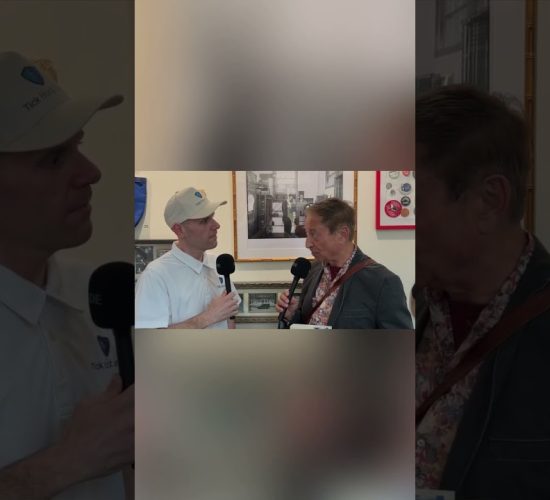
This 2026 Lyme Hack was recorded during Tick Boot Camp’s coverage of the inaugural Stories That Heal: Author Series, where leaders, patients, caregivers, researchers, and advocates came together to advance awareness, education, and hope for the Lyme disease community.
Video Transcript:
Matt Sabatello, Co-Founder of Tick Boot Camp: Dr. Horowitz, thank you for joining us for Lyme Disease Awareness Month for our Lyme Hackathon. If I had to ask you, what is your top Lyme hack for everybody watching this video in the chronic Lyme community, what would it be?
Dr. Richard Horowitz: My wife is now eight years in remission from Dapsone combination therapy and addressing all 16 MSIDS factors. What I would say to people out there who are suffering: please know that these infections are treatable. For Lyme and Bartonella, we’ve had some great results with Dapsone combination therapy. With Babesia, Tafenoquine, Malarone, and Chinese herbs are working well.
But many patients have mold toxins, heavy metals, and microbiome issues. So, look at the 16-point model. Look at these biofilm persister drug regimens like Dapsone combination therapy. It should give you what you need as far as healing, and there’s real hope for the Lyme community.
Matt: Dr. Horowitz, thank you so much for everything that you do.
Dr. Horowitz: My pleasure.
Explore more expert insights from our Lyme Hackathon series and discover how healing is possible with the right knowledge, support, and approach on our Lyme Hackathon page.