What happens when a healthcare professional suddenly loses the ability to walk, struggles to get answers from major medical institutions, and is told Lyme disease doesn’t exist where she lives?
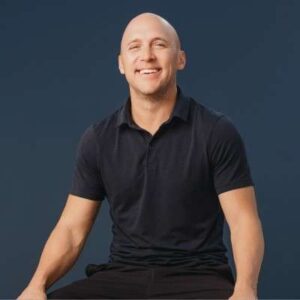
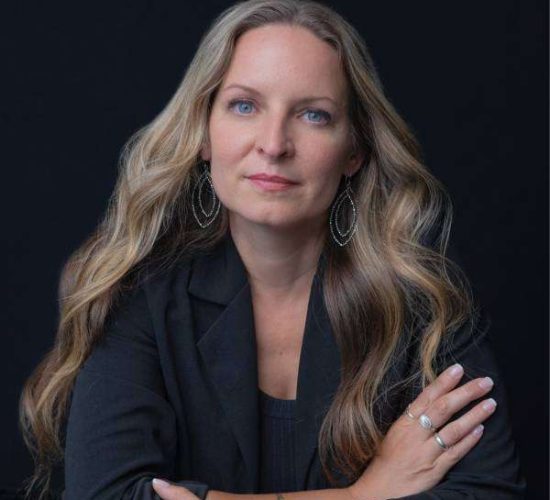
In this LIVE from ILADS interview, Tick Boot Camp welcomes Dr. Kristi Hellenbrand, DC, a Georgia chiropractor, Lyme disease survivor, author of Let Me Tell You a Secret…She Makes It: A Lyme Survival Story, and Global Lyme Alliance ambassador.
In the fall of 2020, Kristi experienced a devastating neurological decline. Within approximately 60 days, she could no longer walk. Migraines, tremors, memory problems, and episodes of disorientation followed.
Despite evaluations at major medical institutions, she struggled to obtain a clear explanation for her symptoms. She recalls being told she might have multiple sclerosis and hearing that Lyme disease wasn’t a concern in Georgia.
Eventually, a local functional medicine physician helped her pursue a different treatment approach.
Kristi reports achieving remission in 2021.
But her journey didn’t end with medical treatment.
She also had to rebuild her physical health, process the grief of losing her chiropractic practice, navigate the emotional consequences of chronic illness, and discover a new purpose through Lyme disease education and advocacy.
Her story offers a message for people who feel overwhelmed by their diagnosis:
Healing is possible, and someone else’s recovery story may help you discover questions, resources, and approaches worth exploring with your own healthcare team.
When Lyme Disease Changes Everything in 60 Days
Before becoming a Lyme disease advocate, Kristi was a practicing chiropractor, mother, wife, and horse owner living south of Atlanta, Georgia.
Then, in 2020, her health rapidly deteriorated.
Within approximately two months, she lost the ability to walk.
Her neurological symptoms included:
- Severe migraines
- Tremors
- Memory lapses
- Cognitive dysfunction
- Disorientation in familiar surroundings
- Significant mobility impairment
At one point, she became lost only two miles from home.
Kristi describes the fear of watching her body and brain change while struggling to find a physician who could explain what was happening.
Her experience became particularly frustrating when she was told that Lyme disease wasn’t found in Georgia.
For Kristi, the lack of answers became almost as frightening as the symptoms themselves.
When a Healthcare Professional Becomes the Patient
As a chiropractor, Kristi was already familiar with healthcare.
But that didn’t make navigating her own unexplained illness easy.
She sought evaluations from major medical institutions, including Emory, Piedmont, and Mayo.
According to Kristi, those encounters did not produce a clear diagnosis or treatment plan that resolved her illness.
She ultimately connected with a local functional medicine physician who was willing to investigate Lyme disease as a possible explanation.
That experience reinforced something frequently discussed on Tick Boot Camp:
Patients with complicated symptoms need clinicians who listen, investigate, and remain curious when the first explanation doesn’t fit.
For more information about diagnostic challenges, explore Tick Boot Camp’s Lyme disease testing resources.
The Treatment Journey: Double-Dose Dapsone
Kristi describes pursuing an intensive treatment approach influenced by research from Dr. Richard Horowitz, a physician known for his work with Lyme disease and other tick-borne illnesses.
She specifically discusses the double-dose dapsone protocol.
Although Kristi did not personally treat with Dr. Horowitz, she and her physician reviewed his published work and incorporated a related approach into her treatment.
Kristi recalls that the protocol was challenging and that her physician was initially apprehensive about using such an intensive strategy.
Nevertheless, Kristi reports that this period of treatment became an important turning point in her recovery.
Her experience is a personal account, not evidence that double-dose dapsone is appropriate or effective for everyone. Dapsone-based multidrug protocols can involve significant medical risks and require careful clinical oversight.
Learn more about these approaches through Tick Boot Camp’s interviews with Dr. Richard Horowitz.
Why Kristi Wrote Let Me Tell You a Secret…She Makes It
Kristi’s illness forced her to become a student of Lyme disease.
While bedridden, she read extensively about the infection, associated conditions, available treatments, and recovery.
She remembers needing approximately 20 books simply to begin understanding the basics.
That experience inspired an important question:
Why should every newly diagnosed patient have to do all this research alone?
Her answer was to write a book that combines a personal recovery memoir with practical Lyme disease education.
Let Me Tell You a Secret…She Makes It: A Lyme Survival Story was published in 2023.
Kristi explains that the book includes educational sections addressing topics such as:
- Understanding Lyme disease
- Tick-borne co-infections
- Treatment options
- Navigating medical care
- Financial challenges
- Finding help
- Supporting the body during recovery
- Emotional health and grief
- Family relationships
- Rebuilding life after serious illness
She began writing before she knew how her own story would end.
Originally, part of her motivation was to preserve the experience for her children.
Over time, the project became something larger: a resource for other patients and their families.
Learn more about Kristi’s book and advocacy through Lyme Lives Here.
Learning the Language of Lyme Disease
Rich and Kristi discuss one of the biggest challenges facing newly diagnosed patients:
Lyme disease comes with an unfamiliar vocabulary.
Suddenly, patients may be hearing terms such as:
- Borrelia
- Bartonella
- Babesia
- Co-infections
- Neuroborreliosis
- Biofilms
- Dapsone
- Herxheimer reactions
- Nervous-system regulation
- Rehabilitation
- Remission
Understanding these terms can help patients communicate more effectively with healthcare professionals and evaluate the information they encounter.
Kristi designed her memoir to help shorten that learning curve.
Rich connects her educational approach with Tick Boot Camp’s Tick Bite Blueprint, a resource developed to help people understand practical steps following a tick bite.
Putting Out the Fire vs. Rebuilding the Body
One of Kristi’s central recovery concepts is distinguishing between addressing the active illness and rebuilding afterward.
She describes the initial phase of treatment as putting out the fire.
Once she felt the immediate crisis had been addressed, she shifted her attention toward rehabilitation.
Kristi discusses working on:
- Digestive health
- Physical recovery
- Neurological symptoms
- Cognitive function
- Nutrition
- Emotional health
- Nervous-system regulation
Her perspective is that treatment and rehabilitation are related but not necessarily identical phases.
The body may need continued support even after the most severe symptoms improve.
This leads to one of the interview’s most important connections with Tick Boot Camp’s broader healing framework.
The Four Phases of Lyme Recovery
Rich shares Tick Boot Camp’s four-phase model, developed from recurring themes in patient recovery interviews.
1. Prehabilitation
Preparing and supporting the body before intensive treatment.
2. Assist
Supporting the immune system and addressing microbial burden through an individualized medical plan.
3. Rehabilitation
Rebuilding physical, neurological, and functional capacity.
4. Maintenance
Developing sustainable habits, monitoring health, and reducing the risk of future tick-borne infections.
Kristi recognizes elements of all four phases in her own experience.
The conversation illustrates how recovery may involve much more than a single treatment protocol.
It also emphasizes that this is a framework for understanding recovery stories, not a universal medical sequence that every patient must follow.
The Grief of Losing Your Former Life
One of the most emotionally powerful parts of the conversation involves grief.
Kristi didn’t simply lose physical function.
She also lost parts of her identity and independence.
She was forced to close her chiropractic practice.
She could no longer participate in many of the activities she loved.
Her horses remained in the pasture while she recovered.
Her children took on additional responsibilities.
Her husband helped shoulder the financial burden.
Kristi remembers experiencing denial, anger, sadness, loneliness, and fear.
She describes the profound isolation that can accompany serious chronic illness, especially when someone feels their life is disappearing piece by piece.
Her memoir explores these emotions openly.
It also gives family members and caregivers an opportunity to better understand what a loved one may be experiencing.
Why Caregivers Need to Hear These Stories
Kristi explains that some readers have passed her book to spouses, relatives, and other caregivers.
That has become one of its unexpected benefits.
Someone living with Lyme disease may struggle to explain the full experience of losing mobility, employment, independence, or hope.
A memoir can help communicate those experiences.
Kristi’s husband initially found the book difficult to read because he had lived through the events alongside her.
For other families, however, reading her story has helped open conversations about illness and caregiving.
Chronic illness affects the entire family, even when only one person has the diagnosis.
Anger, Grief & Finding Hope
Kristi is open about the role anger played in her journey.
At one point, frustration with her declining health became a powerful motivation to pursue treatment.
But she also describes eventually moving toward a quieter emotional place.
Her experience wasn’t simply about fighting harder.
It involved grieving what she had lost and discovering how to live again.
Rich connects her story with Tick Boot Camp’s discussions about grief, purpose, and the emotional changes people may experience during recovery.
The message isn’t that everyone must move through grief in the same way.
It’s that grief deserves recognition.
People can experience sadness, anger, fear, and hope at different points—and sometimes simultaneously.
DNRS, Neuroplasticity & Nervous-System Regulation
During the fall of 2021, Kristi began exploring nervous-system regulation.
She discovered Annie Hopper’s Dynamic Neural Retraining System (DNRS).
Kristi describes the program as helping her shift her identity away from being defined exclusively by illness.
She began recognizing that life could contain meaning, beauty, and possibility beyond the struggle to recover.
That emotional shift became an important part of her personal journey.
Nervous-system and neuroplasticity programs are not substitutes for appropriate medical evaluation or treatment of infection, and their benefits for persistent Lyme symptoms remain an area requiring more research.
For related Tick Boot Camp conversations, explore Cathleen King’s Primal Trust interview and Lindsay Mitchell’s Vital-Side interview.
From Lyme Patient to Global Lyme Alliance Ambassador
Kristi’s recovery eventually led her toward advocacy.
She became involved with Global Lyme Alliance, first supporting other patients as a mentor and later serving as a Georgia ambassador.
Her advocacy focuses on improving Lyme disease awareness and helping people access information she struggled to find during her own illness.
Kristi also describes speaking with healthcare professionals in her community about Lyme disease.
She hopes that increased awareness will help more patients receive timely consideration of tick-borne illness when symptoms and exposure histories warrant it.
Her work is also connected to Lyme Lives Here, an educational initiative originally established by her daughter, Brooklynn, as a Girl Scout Gold Award project.
What began as a family’s experience has grown into an effort to educate and support others.
Why Georgia Needs Lyme Disease Awareness
Kristi’s experience challenges the assumption that Lyme disease should automatically be dismissed because a patient lives in the southern United States.
She recalls being told that Lyme disease wasn’t a concern in Georgia.
That message contributed to her frustration during the diagnostic process.
Geographic risk varies, and not every tick bite transmits Lyme disease. Nevertheless, clinicians should evaluate a patient’s symptoms, travel and exposure history, and the possibility of other locally relevant tick-borne illnesses rather than relying on an overly simplistic geographic assumption.
Kristi now uses her experience to encourage greater awareness among patients and healthcare professionals.
The Power of a Recovery Memoir
Rich explains why Tick Boot Camp values stories from people who have experienced meaningful recovery.
A recovery memoir can provide something different from a medical textbook.
It can show what one person actually experienced:
What they tried.
What helped.
What didn’t.
How they handled setbacks.
What changed emotionally.
How they rebuilt their lives.
And what they learned along the way.
But Rich also makes an important distinction:
Someone else’s recovery model doesn’t have to become your recovery model.
A treatment or approach that helped one person may not work for another.
That doesn’t mean the patient has failed.
It may simply mean they need a different approach, additional investigation, or another member of their healthcare team.
Recovery stories can offer ideas and hope without becoming rigid instructions.
From Survival to Purpose
Kristi’s story comes full circle at ILADS.
The chiropractor who once struggled to walk is now attending a major Lyme disease conference, meeting clinicians, discussing her book, and helping other patients.
She has transformed some of the knowledge gained during her illness into education and advocacy.
Her recovery hasn’t erased the fear she experienced or the possibility of future health challenges.
But she no longer describes her life as being dominated by the severe symptoms she experienced in 2020.
And she has found a new purpose.
For someone currently bedridden, newly diagnosed, frightened, or struggling to understand what comes next, her story offers a reminder:
Your life can change again. Your future doesn’t have to look exactly like your present. And you don’t have to navigate the journey alone.
About Dr. Kristi Hellenbrand, DC
Dr. Kristi Hellenbrand is a chiropractor, author, Lyme disease survivor, and Georgia ambassador for Global Lyme Alliance.
After experiencing a severe neurological illness beginning in 2020, Kristi pursued treatment for Lyme disease and reports achieving remission in 2021.
Her experience inspired her book, Let Me Tell You a Secret…She Makes It: A Lyme Survival Story, which combines memoir, patient education, and reflections on chronic illness, grief, family, and recovery.
She also supports Lyme disease awareness through public speaking, education, patient mentorship, and the Lyme Lives Here initiative.
Learn more about Global Lyme Alliance’s patient support resources.
Key Topics in This Episode
Lyme disease recovery, Kristi Hellenbrand, Lyme disease remission, neurological Lyme disease, neuroborreliosis, Lyme disease in Georgia, chronic Lyme disease, Lyme disease misdiagnosis, wheelchair-bound Lyme patient, double-dose dapsone, Dr. Richard Horowitz, Horowitz protocol, Lyme disease memoir, Let Me Tell You a Secret She Makes It, Lyme disease treatment, Lyme disease rehabilitation, DNRS, Dynamic Neural Retraining System, neuroplasticity, nervous-system regulation, Lyme disease grief, chronic illness and family, Lyme disease caregivers, Global Lyme Alliance, Lyme Lives Here, Lyme disease advocacy, Tick Boot Camp, ILADS, and healing from Lyme disease.
About This LIVE from ILADS Interview
This conversation was recorded in person at the 2025 International Lyme and Associated Diseases Society Annual Scientific Conference, From Terrain to Treatment: Advances in Vector-Borne Illness, held October 9–12, 2025, in San Antonio, Texas.
Rich and Kristi discuss her personal recovery, her book, and how her experiences relate to Tick Boot Camp’s four-phase healing framework.
They also discuss the possibility of bringing Kristi back for a longer conversation with Tick Boot Camp co-founder Matt Sabatello.
These LIVE from ILADS interviews are short-form conversations recorded on location, offering focused discussions with patients, advocates, clinicians, researchers, and innovators working to improve understanding of Lyme disease.
Explore all Tick Boot Camp LIVE from ILADS interviews.
More from Tick Boot Camp
Explore the Tick Bite Blueprint for education about what to do after a tick bite.
Listen to interviews with Dr. Richard Horowitz to learn about his research and approaches to complex Lyme disease treatment.
Visit the Tick Boot Camp Podcast for more patient recovery stories, physician interviews, research conversations, and resources for the Lyme disease community.
This episode shares one patient’s experience for educational purposes. It is not medical advice, and no individual treatment or recovery approach is guaranteed to work for everyone.