
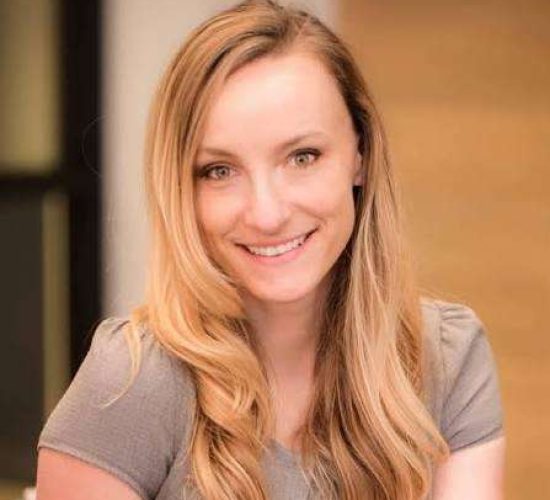
In this special Tick Boot Camp Instagram Live, Dr. Casey Kelley returns to discuss the latest developments in Lyme disease diagnosis, treatment, clinician education, and research. Drawing on both her personal recovery journey and years of treating complex chronic illness, Dr. Kelley explains why Lyme disease requires individualized care, why more Lyme-literate clinicians are urgently needed, and how new technologies—including big data, advanced diagnostics, and innovative therapies like SOT—are shaping the future of patient care.
Episode Highlights
Expanding Lyme-Literate Medical Education
Dr. Kelley announces an exciting partnership between the Illinois Lyme Association and Carle Health to offer the ILADS Fundamentals Course free to healthcare providers. She explains why educating more physicians is one of the fastest ways to improve Lyme disease diagnosis and treatment across the country.
The conversation also explores the role of the International Lyme and Associated Diseases Society (ILADS), including its physician training programs, fellowship process, and commitment to evidence-based medicine.
Dr. Casey Kelley’s Personal Lyme Journey
Dr. Kelley reflects on her own experience with chronic illness. After years of unexplained symptoms, multiple incorrect diagnoses, and eventually developing POTS during medical school, she discovered that Lyme disease and tick-borne infections were contributing to her illness.
Her recovery ultimately inspired her to found Case Integrative Health, where she now helps patients with complex chronic illnesses using a personalized, whole-body approach.
How COVID Changed the Chronic Illness Conversation
The discussion examines how the COVID-19 pandemic dramatically increased awareness of infection-associated chronic illnesses.
Dr. Kelley explains that greater recognition of Long COVID has also helped bring attention to Lyme disease, ME/CFS, POTS, mast cell activation syndrome, and other complex conditions that share similar biological mechanisms.
AI, Big Data, and the Future of Lyme Care
Matt and Rich ask whether artificial intelligence and large clinical databases will transform Lyme medicine.
Dr. Kelley believes AI and big data will become valuable tools—but only when paired with experienced clinicians who understand the complexity of Lyme disease and can interpret each patient’s unique presentation.
Why Every Lyme Patient Is Different
The conversation explores why no two Lyme patients look exactly alike.
Genetics, epigenetics, immune function, microbiome diversity, environmental exposures, multiple tick bites, co-infections, and varying bacterial strains all contribute to highly individualized clinical presentations.
New Advances in Lyme Diagnostics
Dr. Kelley discusses promising diagnostic research aimed at distinguishing active infection from past exposure and identifying bacterial peptides unique to active Borrelia infections.
These advances could help clinicians better determine whether symptoms are being driven by persistent infection or ongoing immune dysfunction.
Understanding Supportive Oligonucleotide Therapy (SOT)
One of the most in-depth portions of the conversation focuses on Supportive Oligonucleotide Therapy (SOT).
Dr. Kelley explains how SOT is customized using a patient’s own blood sample to target specific pathogens by preventing them from replicating. While not a cure, SOT has become an increasingly valuable treatment option for patients who have plateaued with conventional therapies and is often combined with treatments such as ozone therapy.
There Is No Single Treatment Order
Matt and Rich ask whether every patient should follow the same healing sequence.
Dr. Kelley explains that there is no universal roadmap. Some patients must first stabilize mast cell activation, while others need to prioritize infections, mold exposure, parasites, or nervous system dysfunction. Successful treatment depends on understanding each person’s unique biology rather than following rigid protocols.
Nervous System Regulation and Neuroplasticity
The discussion shifts toward brain retraining and nervous system healing.
Dr. Kelley explains that many severely ill patients simply lack the energy to begin intensive neuroplasticity programs early in treatment. Instead, she often introduces passive nervous system therapies first before transitioning patients into more active brain retraining as their health improves.
She also shares practical tools she frequently recommends, including:
- Vagus nerve stimulation
- Apollo Neuro
- Pulsetto
- Neurofeedback
- Binaural beats
- Breathing exercises
- Hypnosis
- Humor and intentional joy
A Message of Hope
Dr. Kelley closes the conversation by reminding listeners that healing is possible.
While Lyme disease treatment often requires patience, persistence, and individualized care, she emphasizes that people can regain health, improve function, and achieve long-term remission—even when recovery feels impossible in the beginning.
Learn More
- Explore the Tick Boot Camp Podcast for more Lyme disease education and recovery stories.
- Browse our complete collection of Doctor Interviews featuring leading Lyme-literate physicians.
- Learn more about Persistent Lyme Disease and the latest research into chronic tick-borne illness.