
Tick Boot Camp Podcast
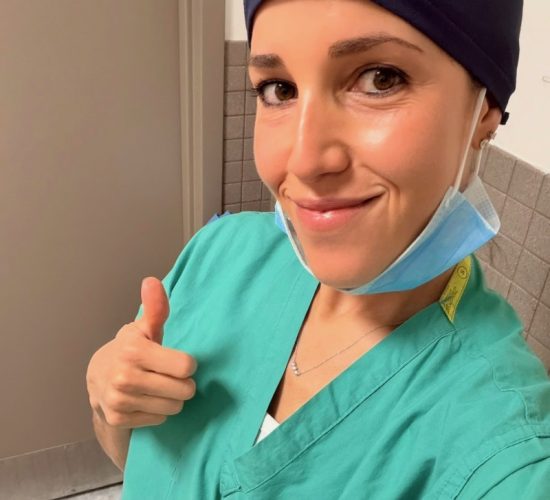
Dr. Jacqueline Becker was featured on the Tick Boot Camp Podcast:
- COMING SOON: Brain Fog & Lyme Disease – How Dr. Jacqueline Becker Is Advancing Cognitive Recovery
Understanding Brain Fog, Cognitive Dysfunction, and the Future of Lyme Disease Research
For many people living with Lyme disease, one of the most debilitating symptoms is not joint pain—it is the loss of mental clarity. Brain fog, memory problems, difficulty concentrating, slowed thinking, word-finding challenges, and reduced executive functioning can dramatically affect careers, relationships, independence, and everyday life.
Dr. Jacqueline Becker has dedicated her career to understanding why these symptoms occur and how clinicians can better evaluate, measure, and support people experiencing cognitive dysfunction associated with Lyme disease and other infection-associated chronic illnesses.
As a featured guest on the Tick Boot Camp Podcast, Dr. Becker shared how her work combines neuroscience, neuropsychology, clinical care, medical education, and research to improve outcomes for patients experiencing persistent cognitive symptoms after infection. Rather than viewing brain fog as a vague complaint, she approaches it as a cognitive and neurological challenge that deserves careful measurement, rigorous scientific investigation, and compassionate patient care.
About Dr. Jacqueline Becker
Dr. Jacqueline Becker is a clinical neuropsychologist, researcher, educator, and Assistant Professor of Medicine at the Icahn School of Medicine at Mount Sinai in New York City.
Her work focuses on understanding how infections and chronic illnesses can affect the brain, cognition, and everyday functioning, with particular emphasis on:
- Lyme disease
- Post-Treatment Lyme Disease Syndrome (PTLDS)
- Long COVID
- Myalgic Encephalomyelitis/Chronic Fatigue Syndrome (ME/CFS)
- Infection-associated chronic illnesses (IACIs)
Dr. Becker bridges several disciplines. She evaluates patients experiencing cognitive impairment, conducts clinical research, mentors future physicians and neuropsychologists, teaches medical residents about infections that can affect the brain, and participates in awake brain-mapping procedures designed to help preserve language and cognitive function during neurosurgery.
This combination allows her to bring questions raised by patients into the research setting while translating emerging scientific findings back into clinical care.
Clinical Neuropsychology: Measuring What Patients Experience
One of Dr. Becker’s primary specialties is neuropsychological assessment—the structured evaluation of how the brain supports thinking, behavior, and everyday functioning.
Many people living with Lyme disease and other infection-associated chronic illnesses describe symptoms such as:
- Brain fog
- Forgetfulness
- Difficulty multitasking
- Word-finding problems
- Trouble processing information
- Reduced concentration
- Mental fatigue
- Executive dysfunction
Dr. Becker uses comprehensive cognitive evaluations to assess these concerns while identifying both cognitive strengths and areas of difficulty.
These evaluations can help characterize a patient’s cognitive profile, determine whether additional neurological or medical evaluation may be appropriate, and identify interventions that may help the patient function more effectively in daily life.
Rather than focusing only on deficits, neuropsychological evaluations can also identify preserved abilities that may be used to develop personalized strategies for work, school, communication, organization, and everyday living.
Advancing Infection-Associated Chronic Illness Research
Dr. Becker is part of a growing community of researchers working to improve how persistent illnesses following infection are studied.
Instead of examining Lyme disease in isolation, her work connects with research involving Long COVID, ME/CFS, multiple sclerosis, and related conditions under the broader framework of infection-associated chronic illnesses.
This collaborative approach recognizes that many of these illnesses can share neurological and multisystem symptoms, including:
- Brain fog
- Fatigue
- Cognitive dysfunction
- Sleep disturbances
- Autonomic dysfunction
- Post-exertional symptom worsening
Studying these conditions together may help researchers identify shared patterns, distinct patient subgroups, and biological mechanisms that could eventually contribute to better diagnostics and more effective treatments.
Improving the Science Behind Lyme Disease Research
One area of Dr. Becker’s work focuses on improving how Lyme disease and other infection-associated chronic illnesses are studied.
She was a co-author of the review, Designing Studies for Post-Treatment Lyme Disease and Other Infection-Associated Chronic Illnesses, which brought together researchers from multiple disciplines to examine why progress has been difficult and how future studies can produce more reliable and meaningful results.
A central message of the review is that patients are extraordinarily diverse. Two people diagnosed with Lyme disease may have very different symptom patterns, biological abnormalities, illness histories, and responses to treatment.
When highly diverse patients are grouped into a single clinical trial, a treatment that benefits one subgroup may appear ineffective because its signal is diluted across the larger group.
Dr. Becker and her co-authors therefore emphasize more precise participant selection, improved patient phenotyping, better cognitive measurements, biologically relevant control groups, standardized sample collection, and study designs that match the specific question being investigated.
This approach is intended to help researchers determine which interventions may benefit which groups of patients, rather than assuming everyone with persistent symptoms has the same underlying illness process.
Brain Fog Is Real—and It Can Be Measured
One of the recurring themes throughout Dr. Becker’s work is validation.
Many patients with Lyme disease and other chronic illnesses have been told that brain fog is too subjective to evaluate or that normal routine testing means nothing is wrong.
Neuropsychological assessment provides a more detailed way to evaluate cognitive functioning. Through standardized testing, clinicians can examine areas such as:
- Attention
- Processing speed
- Memory
- Executive functioning
- Language
- Cognitive flexibility
- Problem solving
These assessments can help document a person’s cognitive strengths and weaknesses, establish a baseline for future comparison, support disability evaluations when appropriate, guide referrals, and identify patients who may benefit from cognitive rehabilitation or other symptom-management strategies.
Dr. Becker also explained that a person can score within the average range and still have experienced a meaningful decline. Someone who previously functioned in the superior range may now test as average, which can represent a substantial change for that individual even though the score does not fall below the general population average.
Cognitive Rehabilitation vs. Brain Retraining
Dr. Becker helps patients understand an important distinction that is often misunderstood within the Lyme disease and chronic illness communities: evidence-based cognitive rehabilitation and commercial brain retraining programs are not the same intervention.
Cognitive rehabilitation is supported by decades of neuroscience research and is commonly used by neuropsychologists, speech-language pathologists, and rehabilitation specialists following stroke, traumatic brain injury, and other neurological conditions.
It may include structured exercises, compensatory strategies, pacing techniques, environmental changes, and repeated practice designed to strengthen cognitive abilities and improve everyday functioning.
Dr. Becker explained that cognitive rehabilitation may also be used to support people living with Lyme disease, PTLDS, Long COVID, and other infection-associated chronic illnesses who experience brain fog, memory problems, difficulty multitasking, slowed processing, attention challenges, or executive dysfunction.
Cognitive rehabilitation does not claim to eliminate Lyme disease or treat its underlying biological cause. Instead, it focuses on helping patients improve or compensate for cognitive symptoms while they continue addressing the underlying illness and other contributing factors with their medical team.
Brain retraining programs, by contrast, are built on a different theoretical explanation for persistent illness.
“The theoretical premise of the brain retraining is that a chronic illness is a maladaptive brain response to a threat that’s no longer there.”
Dr. Becker explained that this model proposes that the original infection, injury, or threat has resolved, but the nervous system continues generating symptoms because it remains stuck in an inappropriate threat response. Brain retraining programs generally claim that patients can correct this response and reduce or eliminate symptoms by retraining the brain or nervous system.
This differs fundamentally from cognitive rehabilitation. Cognitive rehabilitation does not assume that the brain is continuing to create the illness after the original biological threat is gone. It recognizes that an illness may have affected cognition and works to strengthen impaired abilities, develop compensatory strategies, and improve daily functioning.
Dr. Becker emphasized that cognitive rehabilitation has an established clinical evidence base, while many commercial brain retraining programs have not undergone the same level of rigorous testing.
“If a program can only ever be validated and never falsified, then that’s not a sign of how well it works. That’s a sign it hasn’t been tested.”
She also expressed concern that some brain retraining explanations may leave patients feeling blamed or invalidated by suggesting that their brain or nervous system is creating their persistent illness.
At the same time, Dr. Becker did not dismiss people who report that brain retraining helped them. She acknowledged that individual experiences matter and that some patients genuinely feel better after participating in these programs. Her concern is that personal testimonials are not the same as results demonstrated through controlled clinical research.
Her position reflects both scientific rigor and compassion: people living with Lyme disease deserve access to supportive interventions that may improve cognitive functioning, clear information about the evidence behind different approaches, and care that does not blame them for their persistent symptoms.
Looking Beyond a Single Diagnosis
Another important part of Dr. Becker’s clinical approach is comprehensive evaluation.
Patients referred for cognitive assessment may benefit from additional neurological testing, sleep evaluation, imaging, laboratory testing, medication review, mental health support, or specialty referrals depending on their history and presentation.
Her goal is not simply to document that cognitive symptoms exist. Neuropsychological testing can also help clinicians consider whether another condition—including Lyme disease, a sleep disorder, medication effect, mood disorder, neurological disease, or neurodegenerative process—may be contributing to the patient’s difficulties.
This process helps avoid the assumption that every cognitive complaint has the same cause while directing patients toward the most appropriate next steps.
Infections, Mental Health, and the False Mind-Body Divide
Dr. Becker also addressed the false divide between biological illness and mental health.
Many people with Lyme disease, Long COVID, and other infection-associated chronic illnesses have been dismissed as anxious or told that their physical symptoms are psychological. Understandably, these experiences can cause patients to avoid mental health care because they fear that seeking support will be used to invalidate their physical illness.
Dr. Becker emphasized that biological illness and mental health symptoms can coexist. Infection, inflammation, neurological changes, chronic pain, disability, disrupted sleep, and the experience of losing one’s former life may all contribute to anxiety, depression, or emotional distress.
Receiving mental health support does not mean a patient’s physical illness is imaginary. It means that every part of the patient’s suffering deserves care.
Her message to the Lyme community is that patients should not have to choose between having their biological illness taken seriously and receiving help for depression, anxiety, trauma, or the emotional consequences of chronic disease.
Educating Future Physicians
Dr. Becker is also helping change medical education by teaching residents how viruses, bacteria, and other infections can affect the brain—even when the microorganism does not directly infect the central nervous system.
Historically, medical education devoted relatively little attention to the long-term cognitive effects of infection outside of acute neurological disease.
Research involving Lyme disease, Long COVID, ME/CFS, and other infection-associated chronic illnesses is increasing awareness of the complex relationships between infection, immune function, inflammation, neurological symptoms, and cognition.
By educating future physicians, Dr. Becker hopes more clinicians will recognize cognitive symptoms earlier, understand their potential biological significance, and provide compassionate, evidence-based care.
Work with Dr. Jacqueline Becker
Dr. Jacqueline Becker evaluates patients through Mount Sinai’s clinical programs for Long COVID and other infection-associated chronic illnesses.
Her team conducts comprehensive neuropsychological evaluations for people experiencing persistent brain fog, memory problems, attention difficulties, slowed thinking, executive dysfunction, and other changes in cognitive functioning.
An evaluation may help document cognitive strengths and weaknesses, establish a baseline, identify factors that may be contributing to cognitive symptoms, guide appropriate referrals, support disability documentation when appropriate, and determine whether interventions such as cognitive rehabilitation may be helpful.
Learn more about Mount Sinai’s clinical services or request an appointment.
Why Dr. Becker Matters to the Lyme Community
People living with Lyme disease have long described persistent cognitive symptoms despite often having normal routine imaging, laboratory tests, or brief cognitive screenings.
Dr. Becker’s work helps validate these experiences while moving the field toward better measurement, more precise research, improved clinical evaluations, and more effective strategies for supporting cognitive health.
Her work reinforces several important messages:
- Brain fog and cognitive dysfunction deserve serious clinical attention.
- Cognitive strengths and weaknesses can be evaluated through comprehensive neuropsychological testing.
- Normal routine testing does not automatically mean a patient is functioning at their previous cognitive level.
- Mental health symptoms and biological illness can coexist.
- Cognitive rehabilitation may help patients manage cognitive symptoms without claiming to cure the underlying Lyme disease.
- Better research design is essential for identifying effective treatments.
- Patients deserve rigorous science without sacrificing validation or compassion.
Her work also highlights the importance of collaboration across Lyme disease, Long COVID, ME/CFS, multiple sclerosis, and other infection-associated chronic illnesses. By studying these conditions together while respecting their differences, researchers may better understand shared mechanisms and accelerate discoveries that benefit multiple patient communities.
Listen to Dr. Jacqueline Becker on Tick Boot Camp
In her Tick Boot Camp Podcast interview, Dr. Becker discusses:
- What a clinical neuropsychologist does
- How infections can affect the brain and cognition
- The science behind brain fog and cognitive dysfunction
- How comprehensive neuropsychological testing works
- Why cognitive capacity in a quiet testing environment may differ from functioning in everyday life
- The similarities and differences among Lyme disease, Long COVID, and ME/CFS
- Infection-associated chronic illnesses
- Cognitive rehabilitation and neuroplasticity
- The difference between cognitive rehabilitation and brain retraining
- The blood-brain barrier and the brain’s clearance systems
- Improving Lyme disease research and clinical trial design
- Why researchers need to study distinct patient phenotypes
- The connection between biological illness and mental health
- Why validating patient experiences is essential to advancing science and care
Whether you are living with Lyme disease, caring for someone with persistent cognitive symptoms, or interested in the future of infection-associated chronic illness research, Dr. Becker’s conversation offers valuable insight into one of the most important—and often misunderstood—aspects of chronic illness.
Explore more Tick Boot Camp doctor interviews