A Disease That Has Been Invisible for Too Long Finally Got a Room of Its Own
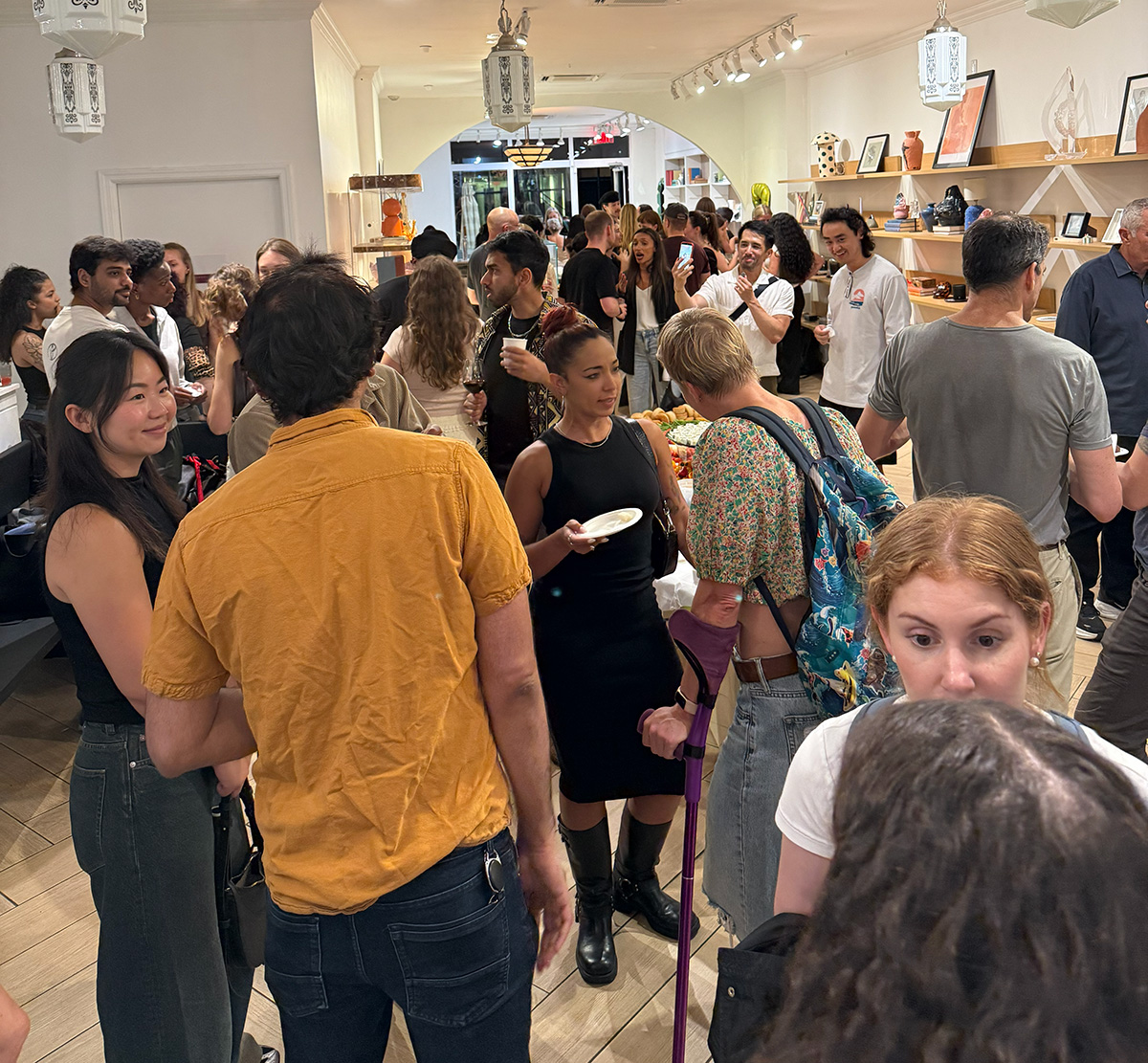
On June 23, 2026, patients, advocates, clinicians, journalists, filmmakers, artists, and community members gathered in Brooklyn, New York, for one of the most unique Lyme disease awareness events in recent memory.
Hosted by LymeLnk founder Eva Scarano, Art as Witness: A Living Exposition of Lyme & Tick-Borne Disease transformed Designers Collab into a space where art met advocacy and education met lived experience.
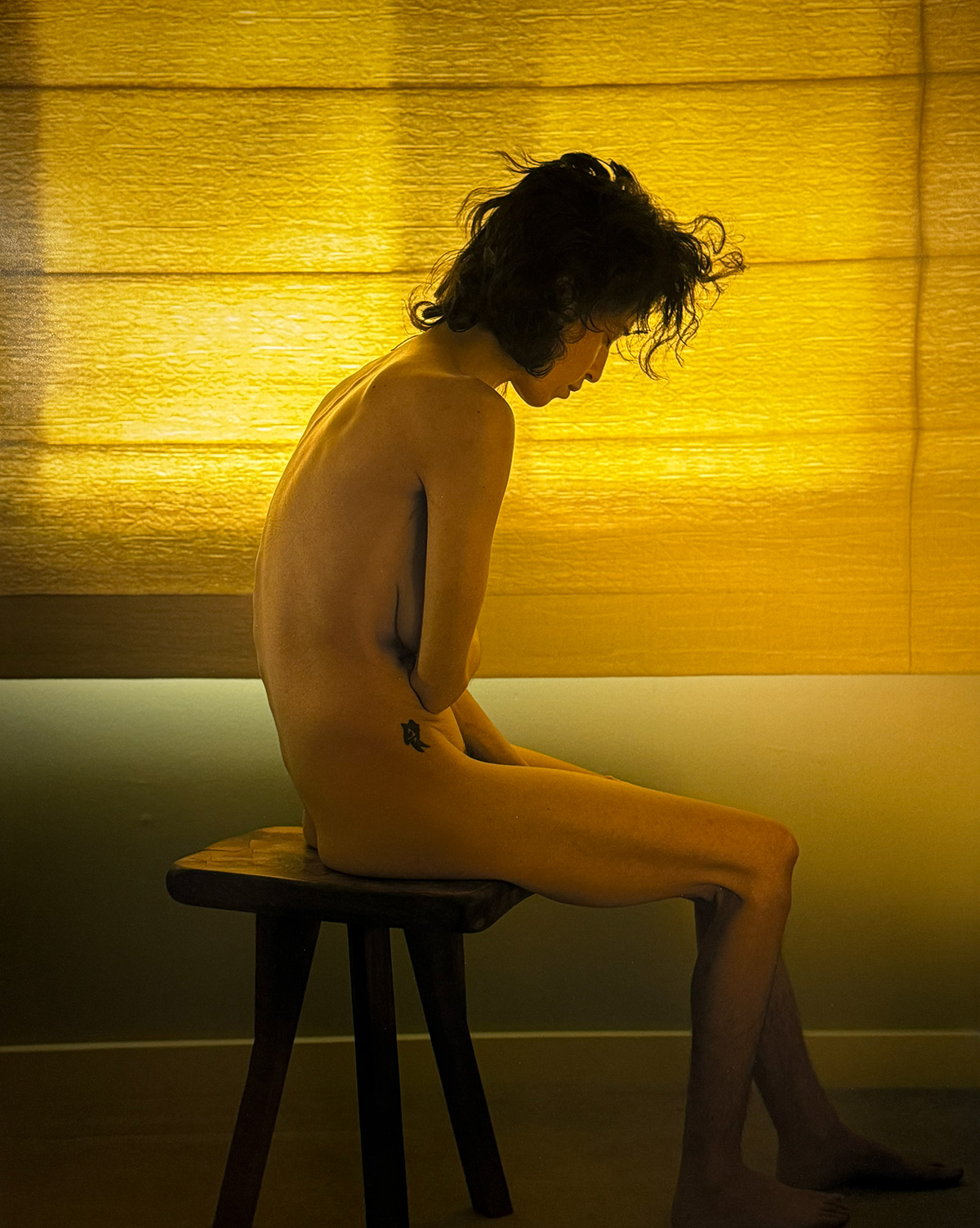
The evening featured Nowhere Land, an ongoing photography and multimedia project by artist Jiatong Lu, alongside scenes from the award-winning Lyme disease documentary The Quiet Epidemic. Guests explored the exhibit, connected with members of the Lyme community, and participated in a powerful panel discussion featuring Lu, journalist Mary Beth Pfeiffer, neuropsychiatrist Dr. Shannon Delaney, and filmmaker Lindsay Keys.
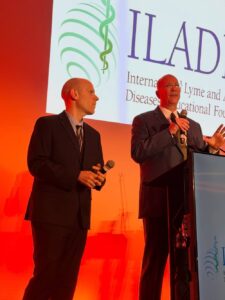
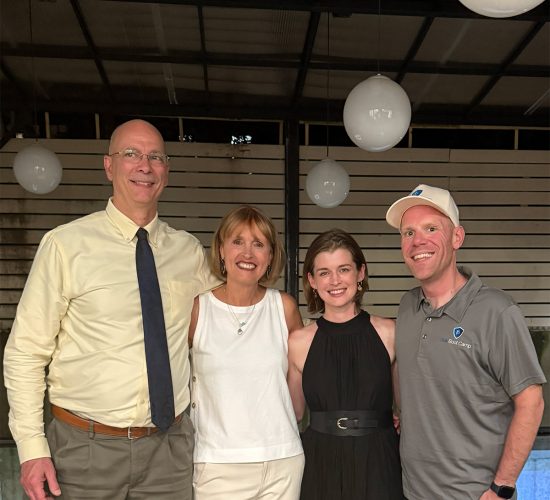
Tick Boot Camp co-founders Matt Sabatello and Rich Johannesen attended the event and were honored to witness a gathering that perfectly embodied a central truth of the Lyme disease community: healing begins when people feel seen, heard, and believed.
LymeLnk: Making Lyme Disease Visible Through Storytelling
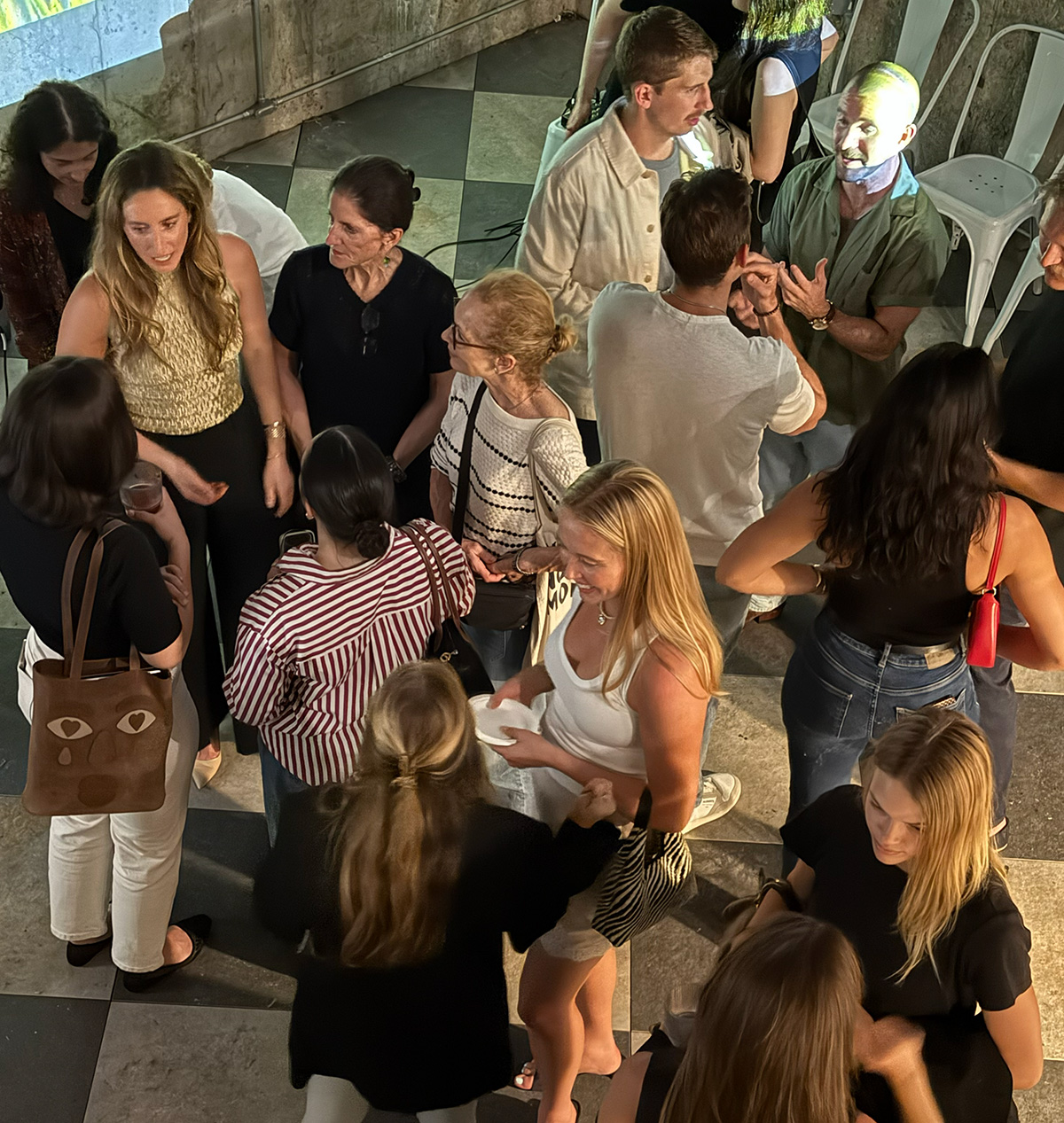
The driving force behind the event was Eva Scarano, founder and executive director of LymeLnk.
After spending nearly a decade navigating chronic Lyme disease and the many challenges that accompany invisible illness, Scarano transformed her personal experience into a mission-driven nonprofit focused on community storytelling and education.
Rather than focusing exclusively on medical debates, LymeLnk seeks to close what Scarano describes as a storytelling gap. The organization believes that awareness begins when people can see and understand the human experiences behind Lyme disease and other tick-borne illnesses.
That mission was evident throughout the evening.
Guests were invited not simply to learn about Lyme disease, but to experience it through visual storytelling, personal narratives, and conversations that connected science with lived experience.
Jiatong Lu’s “Nowhere Land” Gives a Face to Chronic Lyme Disease
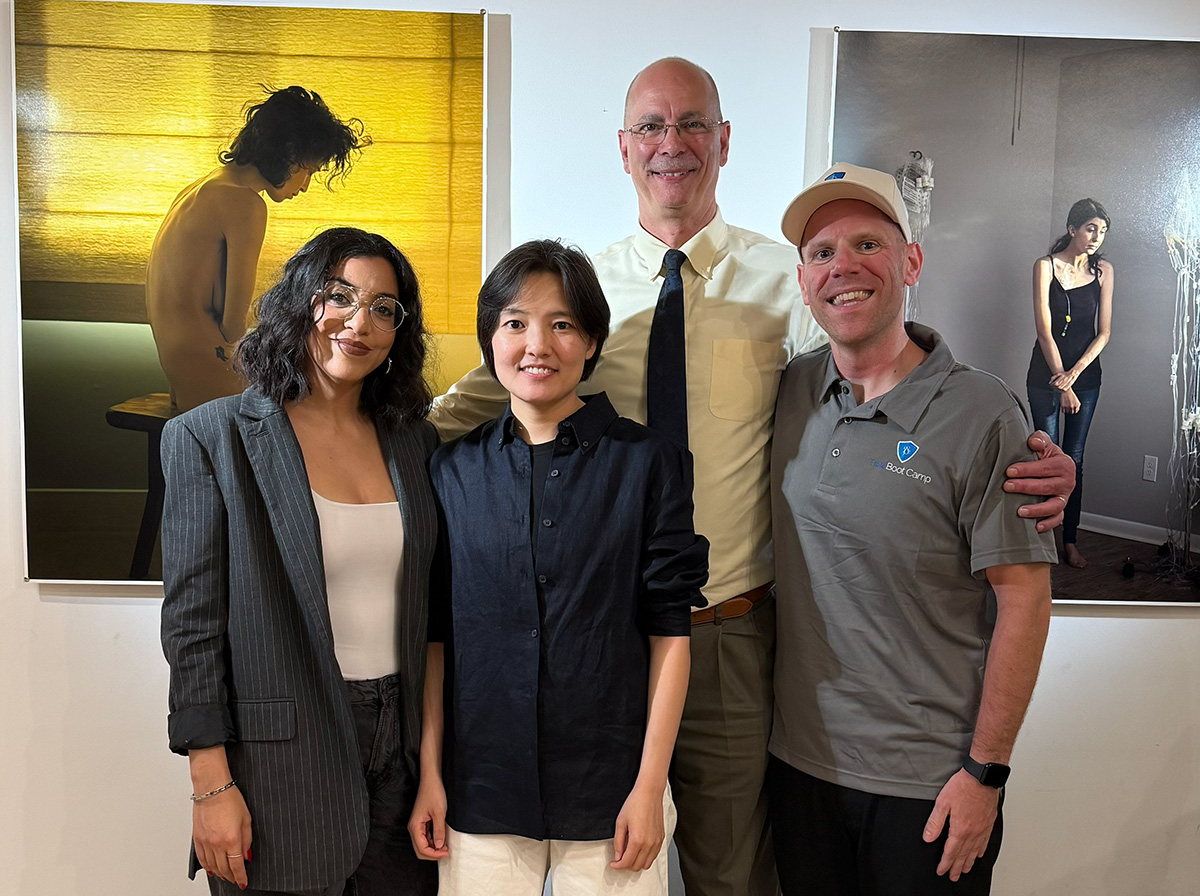
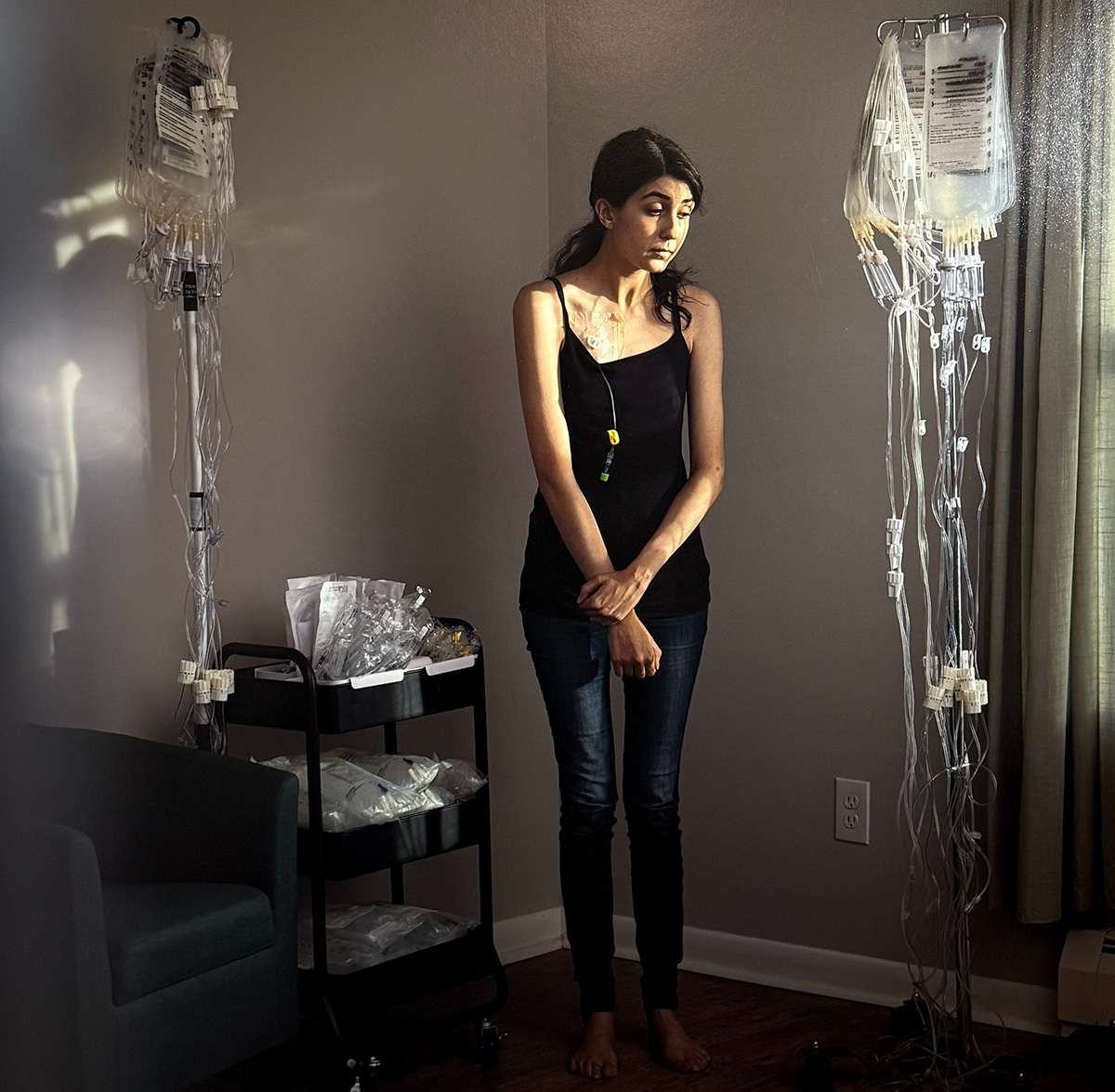
The centerpiece of the evening was Nowhere Land, a multimedia photography project created by New York-based artist and photographer Jiatong Lu.
After contracting Lyme disease in 2021 and developing chronic symptoms despite receiving treatment, Lu found herself searching for answers within online Lyme disease communities. There, she discovered thousands of people facing similar struggles—individuals dealing with chronic illness, medical trauma, financial hardship, disability, and social isolation.
Her response was to turn her camera toward the community she had found.
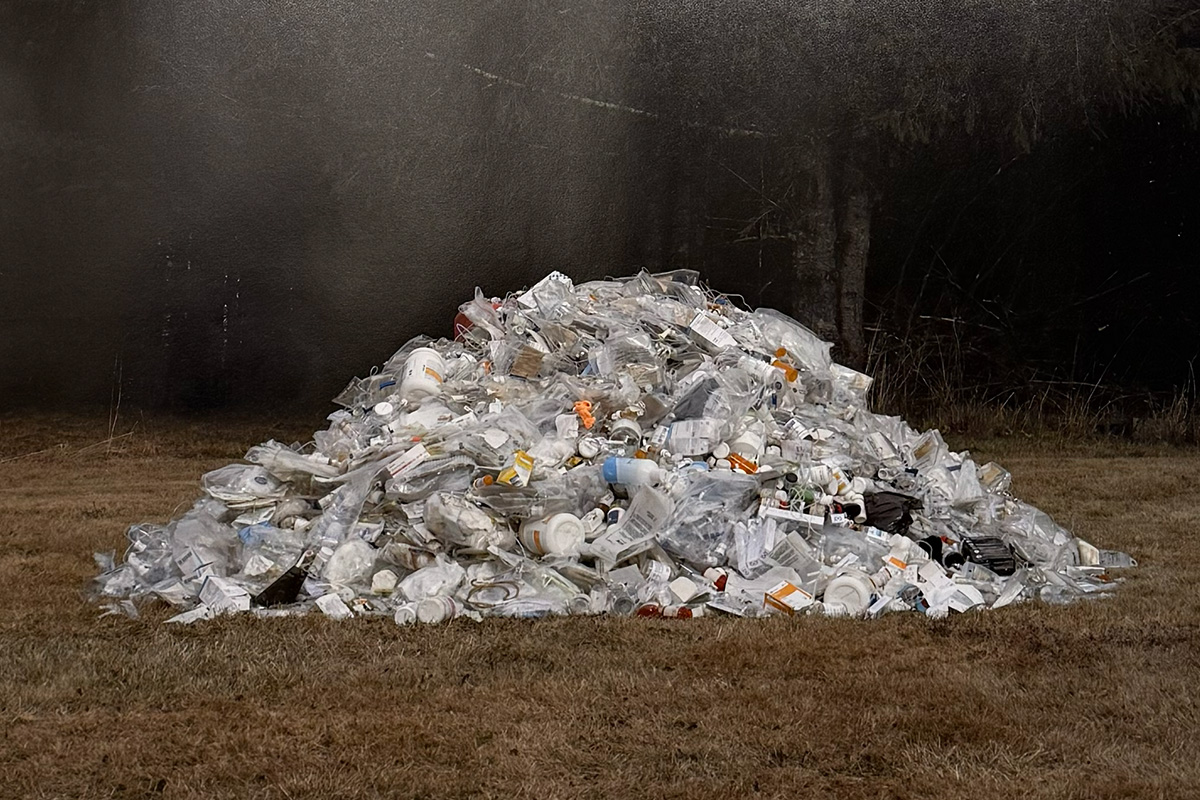
The result is Nowhere Land, a deeply personal yet broadly representative body of work that explores what it means to live with chronic Lyme disease in America.
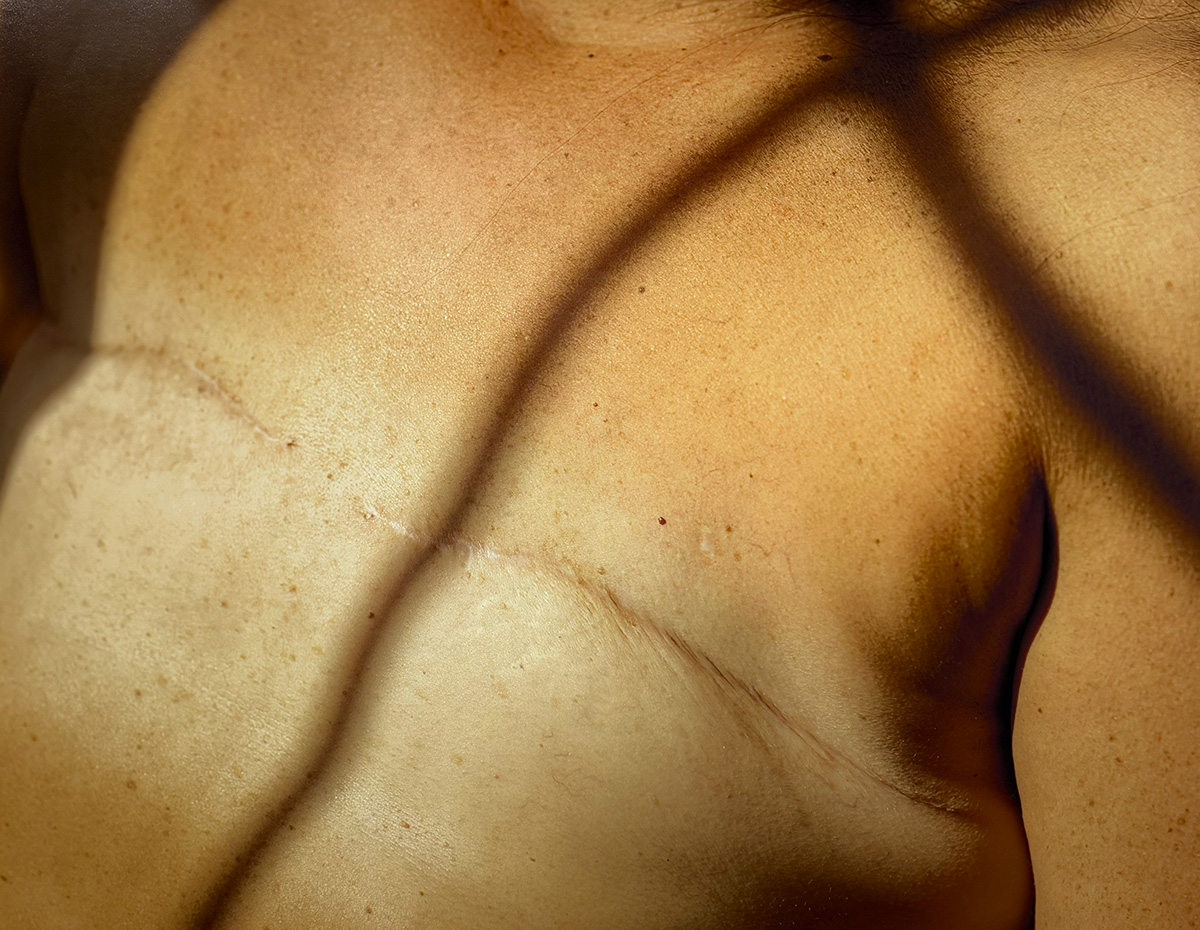
Through intimate portraits, patient narratives, and mixed-media storytelling, Lu captures experiences that are rarely represented in mainstream discussions about Lyme disease.
Many of the images portray vulnerability, exhaustion, uncertainty, and resilience. Together, they create a visual archive of a community that has often felt invisible despite the growing prevalence of tick-borne disease.
The project has received international recognition, including the Center for Photography at Woodstock’s 2025 Portfolio Review Prize, and continues to expand as Lu documents additional patient experiences across the country.
Mary Beth Pfeiffer: The Journalist Who Changed the Lyme Disease Conversation
One of the evening’s most anticipated speakers was award-winning investigative journalist Mary Beth Pfeiffer.
For decades, Pfeiffer has been one of the most influential voices examining Lyme disease, public health policy, climate change, and the experiences of patients who have been dismissed or misunderstood by the medical system.
Her groundbreaking book, Lyme: The First Epidemic of Climate Change, helped reshape public understanding of how environmental changes are fueling the spread of tick-borne diseases across North America and beyond.
Pfeiffer’s reporting has challenged conventional narratives surrounding Lyme disease while highlighting the struggles faced by patients seeking accurate diagnosis and treatment.
Earlier this year, Mary Beth joined the Tick Boot Camp Podcast for a landmark interview discussing her investigative work, the history of Lyme disease policy, climate change, diagnostic challenges, and the future of Lyme disease research.
Pfeiffer has also become a visible advocate within the Lyme community. In 2025, she joined Tick Boot Camp, researchers, physicians, advocates, and celebrities at New York Fashion Week’s Project Lab Coat to raise awareness and funding for Lyme disease research.
Dr. Shannon Delaney Discusses Lyme Disease and Mental Health
Dr. Shannon Delaney brought a unique clinical perspective to the discussion.
A neuropsychiatrist specializing in Lyme disease, tick-borne illnesses, and Pediatric Acute-onset Neuropsychiatric Syndrome (PANS), Delaney has spent years exploring the relationship between infection, immunity, inflammation, and psychiatric symptoms.
Her work highlights an often-overlooked reality of Lyme disease: neurological and psychiatric symptoms can be among the most devastating aspects of the illness.
The discussion reinforced the importance of considering infectious and immune-related causes when evaluating complex neuropsychiatric presentations in both children and adults.
Lindsay Keys and The Quiet Epidemic Continue the Conversation
Moderating the panel was filmmaker Lindsay Keys, co-director and producer of the award-winning documentary The Quiet Epidemic.
Keys’ own Lyme disease journey helped inspire the creation of the film, which she developed alongside Winslow Crane-Murdoch over the course of seven years.
The documentary follows Lyme patients and researchers while examining one of the most controversial and misunderstood illnesses in modern medicine. Since its release, The Quiet Epidemic has introduced countless viewers to the realities of chronic Lyme disease and the broader systemic challenges facing patients.
Earlier on the Tick Boot Camp Podcast, Keys and Crane-Murdoch discussed their filmmaking journey and the creation of the documentary.
As moderator, Keys skillfully guided the conversation while helping connect the themes of art, advocacy, science, and patient experience that defined the evening.
Julia Bruzzese: A Story of Resilience
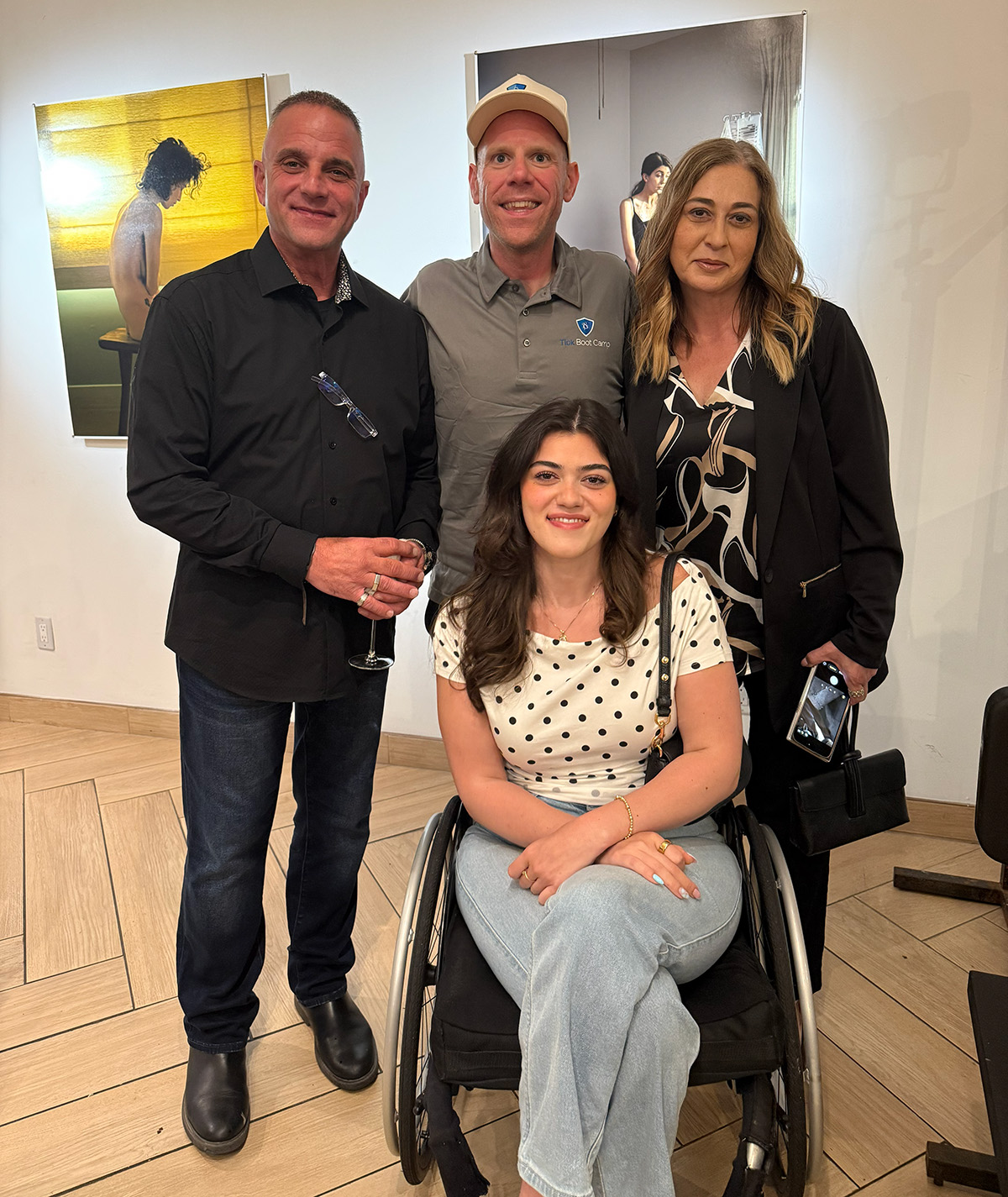
Also in attendance were Lyme disease advocate Julia Bruzzese and her parents. Julia’s remarkable journey was featured prominently in The Quiet Epidemic, and she is also one of the patients portrayed in Jiatong Lu’s Nowhere Land project.
After developing Lyme disease as a child, Julia endured years of misdiagnosis, severe neurological illness, and profound disability before finally finding answers. Today, she is preparing to begin medical school, determined to become the kind of physician she once needed herself.
Earlier this year, Julia shared her inspiring story on the Tick Boot Camp Podcast, Episode 552: Childhood Lyme Disease, Medical Gaslighting, The Quiet Epidemic, and Becoming the Doctor She Needed – Julia Bruzzese.
Her presence at Art as Witness served as a powerful reminder of the resilience, determination, and hope that define so much of the Lyme disease community.
Why Events Like Art as Witness Matter
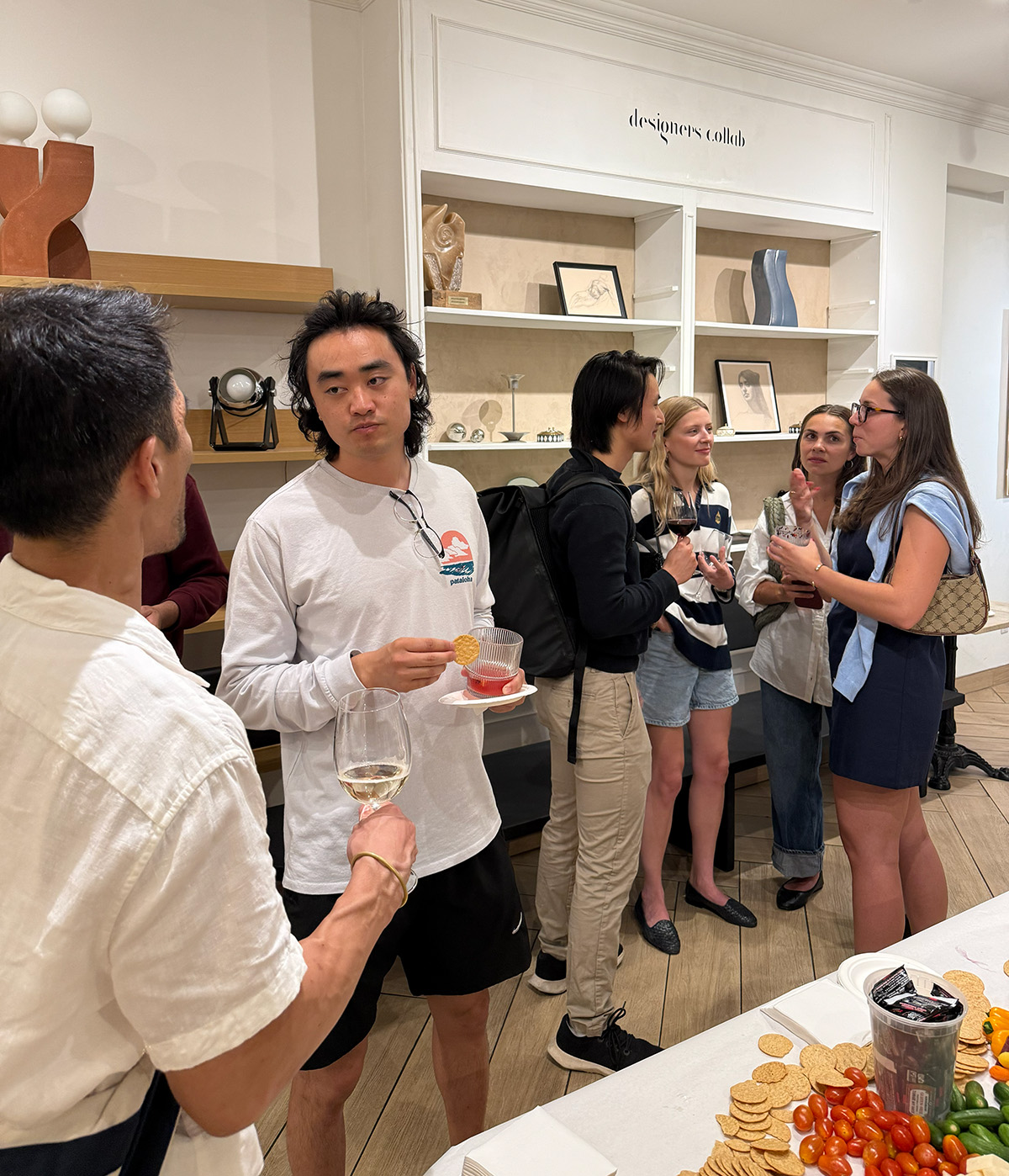
For many people living with Lyme disease, one of the hardest parts of the journey is invisibility.
Symptoms are often misunderstood. Patients are frequently dismissed. Families can struggle to understand what their loved ones are experiencing. The public rarely sees the human stories behind the headlines and statistics.
Events like Art as Witness help bridge that gap.
They create opportunities for meaningful dialogue between patients, clinicians, researchers, journalists, artists, and advocates. They transform abstract discussions into human experiences. Most importantly, they remind people living with Lyme disease that they are not alone.
The evening demonstrated that awareness can take many forms. Sometimes awareness comes through science. Sometimes it comes through journalism. Sometimes it comes through film.
And sometimes awareness begins with a photograph that helps someone finally feel seen.
Looking Ahead
As Lyme disease and other tick-borne illnesses continue to impact communities across the United States and around the world, initiatives like LymeLnk’s Art as Witness represent an important evolution in advocacy.
By combining storytelling, visual art, medicine, journalism, and community, the event offered a powerful reminder that behind every statistic is a human story.
For the Lyme community, those stories deserve to be seen.
For everyone else, they deserve to be heard.
For additional Lyme disease education, patient stories, expert interviews, and advocacy coverage, visit the Tick Boot Camp Blog.