What happens when two Lyme disease patients take the hardest parts of their own healthcare journeys and build the resource they wish had existed when they were sick?
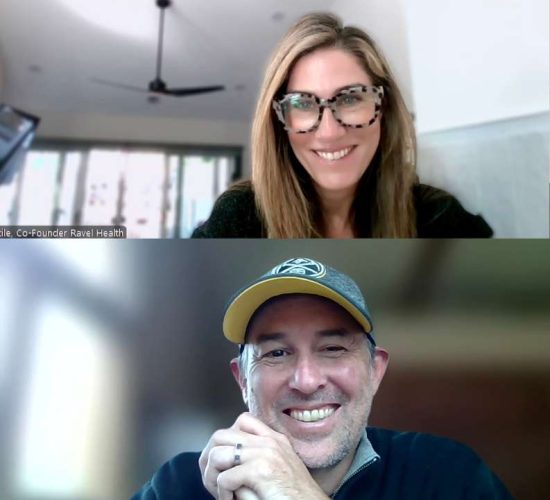
In this episode of the Tick Boot Camp Podcast, co-hosts Matt Sabatello and Richard Johannesen sit down with Kevin Williams and Jaime Intile, co-founders of Ravel Health, a virtual healthcare platform connecting people living with Lyme disease, mold illness, tick-borne infections, Long COVID, and other complex chronic illnesses with vetted licensed providers.
Kevin and Jaime share deeply personal Lyme disease journeys that ultimately brought them together to create Ravel Health. Their stories include years of unexplained symptoms, difficulty finding knowledgeable practitioners, Lyme and co-infection diagnoses, mold exposure, nervous system dysregulation, herbal and pharmaceutical treatment approaches, financial barriers, long provider waitlists, and the challenge of knowing where to turn next.
They also explain how Ravel Health is attempting to remove some of those barriers through personalized provider matching, virtual appointments, conventional, functional, and integrative treatment options, transparent pricing, provider vetting, and a new nationwide recent tick-bite care program.
Kevin Williams’ 10-Year Journey to a Lyme Disease Diagnosis
Kevin’s health challenges began years before he knew Lyme disease was involved.
After experiencing multiple significant concussions while playing soccer, Kevin developed post-concussive symptoms that lasted approximately two and a half years. Several years later, new and unexplained health problems began appearing.
His early symptoms included:
- Cramping in his hands and feet
- Migratory muscle pain
- Gastrointestinal problems
- Brain fog
- Dizziness
- Memory problems
- Neurological symptoms
- Inner-ear and balance problems
- Difficulty walking
Kevin spent years visiting primary care physicians, neurologists, ENTs, and other specialists without receiving an explanation that connected his symptoms.
At one point, a physician essentially told him that because his condition did not appear life-threatening, he might simply have to learn to live with it.
Lyme disease was not seriously considered until Kevin eventually became a patient of Dr. Jill Carnahan, after spending roughly two and a half years on her waiting list.
Kevin says his diagnosis was based largely on his clinical presentation along with testing that indicated Lyme disease and Babesia. His journey later expanded to include investigation of Bartonella and mold-related illness.
Learn more about Dr. Jill Carnahan and her Tick Boot Camp appearances:
Dr. Jill Carnahan on Tick Boot Camp
Antibiotics, Disulfiram, Mold, and a Difficult Treatment Journey
After receiving his diagnosis, Kevin initially pursued a more conventional Lyme treatment path.
His experience included medications such as doxycycline and azithromycin, followed later by disulfiram.
Kevin describes having mixed results with disulfiram. He noticed improvement in some neuropsychiatric symptoms, including the intense irritability and emotional reactivity he had been experiencing, but ultimately developed significant problems while taking the medication.
After stopping disulfiram, he experienced severe neuropathy and facial symptoms that took months to improve.
Kevin’s journey later turned toward mold.
Working with a provider familiar with the Shoemaker approach, Kevin investigated whether mold exposure might be contributing to his continuing illness. Although he struggled with parts of the protocol and was unable to tolerate cholestyramine well, he ultimately found that addressing his mold environment and incorporating neurofeedback were two of the interventions that made the biggest difference for him personally.
His experience reinforces one of the recurring themes of this episode: complex chronic illness rarely fits neatly into a single diagnosis, treatment, or protocol.
Nervous System Regulation vs. Persistent Biological Triggers
Kevin also discusses nervous system dysregulation and his experience with neurofeedback.
After years of concussions, Lyme disease, co-infections, chronic symptoms, and treatment stress, Kevin describes feeling as though his nervous system had been operating in a prolonged state of fight-or-flight.
Neurofeedback helped reduce some of that physiological intensity.
But Kevin does not frame nervous system work as proof that ongoing symptoms are simply generated by the brain. Instead, the conversation explores a much more nuanced question: How do persistent biological triggers, infections, environmental exposures, inflammation, trauma, and nervous system dysregulation interact in complex chronic illness?
Matt connects this discussion to a recent Tick Boot Camp conversation with Mount Sinai clinical neuropsychologist Dr. Jacqueline Becker, who discussed cognitive rehabilitation, persistent symptoms, and the importance of not automatically assuming that all continuing neurological symptoms can be explained by maladaptive brain pathways alone.
Listen to that conversation:
Dr. Jacqueline Becker on Post-Treatment Lyme Disease and Cognitive Rehabilitation
Jaime Intile’s Lyme Disease Story
Jaime’s Lyme journey began very differently.
Growing up in New Jersey, she remembers finding an engorged tick attached to her scalp while she was in third grade. Shortly afterward, she developed a rash that was diagnosed at the time as ringworm.
Jaime cannot know with certainty whether that childhood bite caused the illness she experienced decades later, but looking back, it became one piece of a much larger health story.
In her mid-30s, during an intensely stressful period of her life, Jaime began feeling increasingly unwell.
Her symptoms included:
- Persistent unexplained rashes
- Air hunger and breathing difficulties
- Brain fog
- Muscle aches
- Fatigue
- Neurological and cognitive symptoms
- Increasing difficulty functioning normally
She repeatedly sought medical help but was told that testing looked normal or that her symptoms were not medically concerning.
One physician suggested she see a psychiatrist, drink wine, eat a burger, and go for a run.
For patients who have spent years being told that nothing is wrong despite knowing their bodies are changing, Jaime’s story will sound painfully familiar.
The Dog Attack That Changed Jaime’s Health
Years later, while living in Colorado, Jaime was severely bitten by a neighbor’s dog.
She does not believe the dog gave her Lyme disease. Rather, Jaime describes the physical and emotional trauma of the attack as an event after which her existing health problems dramatically worsened.
She experienced profound depression, difficulty communicating and functioning, worsening physical symptoms, and eventually became unable to continue operating her executive coaching business.
That period forced her to devote herself more fully to finding answers.
Eventually, Jaime began working with the Sound Clinic in Colorado and underwent testing that she says identified:
- Lyme disease
- Babesia
- Bartonella
- Ehrlichia
Receiving a diagnosis finally gave her a direction, but it also raised a new question:
Now what?
Jaime’s Herbal and Holistic Approach
Unlike Kevin, Jaime knew that she personally did not want antibiotics to be the centerpiece of her treatment.
She pursued a primarily herbal and lifestyle-focused approach.
Her recovery journey included changes involving:
- Herbal protocols
- Supplements
- Nutrition
- Gluten and dairy reduction
- Reducing household chemical exposures
- Infrared sauna
- Meditation
- Yoga
- Hiking and movement
- Stress management
- Reiki and other complementary therapies
- Greater awareness of how her body responded to different interventions
Jaime emphasizes that her choices are not an argument against antibiotics.
Instead, one of the lessons that eventually became central to Ravel Health is that different patients want and need different approaches.
Ravel therefore works with providers representing conventional, functional, and integrative treatment philosophies.
Two Lyme Patients Build the Platform They Needed
Kevin and Jaime were introduced by a mutual connection during the COVID-19 pandemic.
Jaime had been operating wellness retreats before COVID disrupted in-person events. Kevin had already begun exploring an earlier concept designed to help people struggling with Lyme disease.
They began talking in the summer of 2021.
The more they compared their experiences, the clearer something became:
They had both spent years trying to solve many of the same problems.
Finding knowledgeable doctors.
Knowing whom to trust.
Waiting months or years for appointments.
Finding clinicians licensed in the correct state.
Paying enormous out-of-pocket costs.
Trying to determine whether a doctor’s treatment philosophy matched the patient’s preferences.
Starting over when a provider relationship failed.
And attempting to navigate all of it while extremely sick.
Instead of building Ravel immediately, Kevin and Jaime spent roughly 12 to 18 months speaking with patients, physicians, organizations, and other people throughout the complex chronic illness community.
Ravel Health eventually launched a small pilot in October 2023 with approximately 30 patients and six providers.
The company’s philosophy remains simple:
Build something they wish had existed when they were sick.
Learn more:
Ravel Health – Virtual Care for Complex Chronic Illness
What Is Ravel Health?
Kevin describes Ravel as a digital health platform providing virtual care services for people living with Lyme disease, mold illness, and complex chronic illness.
Jaime offers an even shorter description:
Affordable virtual care for patients with complex chronic illness.
Ravel currently connects patients with vetted licensed healthcare providers who understand conditions that frequently overlap or become difficult to manage within fragmented traditional healthcare systems.
These may include Lyme disease and tick-borne infections, mold-related illness, MCAS, POTS, dysautonomia, ME/CFS, Long COVID, and other complex chronic conditions.
According to Ravel, its ongoing virtual chronic-care services are currently available through providers supporting 47 states.
How Ravel Health Matches Patients with Providers
Instead of asking a sick patient to spend weeks searching physician directories and calling offices, Ravel attempts to simplify the process.
Patients begin by creating an account and completing a short questionnaire covering areas such as:
- Health history
- Location
- Treatment preferences
- Conventional vs. functional vs. integrative preferences
- The type of provider they may want to work with
Ravel then attempts to match the patient with up to three providers.
Patients can review detailed provider profiles that include professional background, education, experience, specialties, interests, and treatment philosophy.
Ravel’s current website says matches may be provided within approximately 24 hours.
Conventional, Functional, or Integrative Care
A major theme of the episode is patient choice.
Jaime chose a largely herbal route.
Kevin initially followed a more pharmaceutical and conventional treatment path.
Rather than concluding that one of those approaches should work for everyone, they built those differences into Ravel.
Patients may seek providers whose approaches are more:
- Conventional
- Functional
- Integrative
Ravel’s network includes medical doctors, naturopathic doctors, nurse practitioners, and other licensed clinicians depending on the patient’s location and needs.
The goal is not to force every patient into the same protocol, but to improve the likelihood that the patient and practitioner are aligned from the beginning.
How Does Ravel Health Vet Lyme and Complex Chronic Illness Providers?
Finding a Lyme-literate or complex chronic illness practitioner is one of the biggest challenges facing patients.
Ravel says its current providers have at least six years of Lyme, mold, or complex chronic illness experience.
Its vetting process includes founder interviews, detailed professional questionnaires, review by advisory-team members, references, and background checks. Providers can also collaborate through Grand Rounds and clinical oversight.
Kevin explains that this vetting and curation is intended to remove some of the burden from patients who may already be too sick to conduct extensive research themselves.
A 15-Minute Discovery Call Before Choosing Your Doctor
Ravel also offers an optional 15-minute provider discovery call.
At the time of this episode, the cost is $45.
The call is not intended for diagnosis or treatment. Instead, it gives patients an opportunity to meet a prospective provider, ask how that clinician may approach their case, and determine whether the relationship feels appropriate before paying for a full appointment.
If the patient moves forward within the specified timeframe, Ravel currently applies the $45 toward the initial appointment.
Ravel Health Pricing
One of Kevin and Jaime’s primary goals is making complex chronic illness care more financially accessible.
At the time of recording, Ravel’s chronic-care pricing is:
Initial appointment:2-hour virtual visit — $395
Monthly subscription:45-minute virtual provider visit — $175 per month
Ravel also discussed a maintenance option for established patients who may not need a full appointment every month.
Current pricing and options can change, so visit Ravel directly for the latest information:
Ravel Health Pricing and Care Options
Ravel operates as a self-pay platform and does not currently accept insurance, although superbills may be available for patients seeking possible out-of-network reimbursement.
No Multi-Year Waiting Lists
Kevin waited approximately two and a half years to see Dr. Jill Carnahan.
That experience directly influenced Ravel’s philosophy.
When a Ravel provider reaches capacity, Kevin explains that the provider is removed from the matching rotation rather than continuing to accumulate a lengthy waiting list.
The idea is simple:
When chronically ill patients finally ask for help, they need realistic access to care now — not years from now.
Nationwide Recent Tick-Bite Care
One of Ravel’s newest initiatives moves upstream from chronic illness to the moment immediately following a tick bite.
Ravel has launched a recent tick-bite care package offering virtual consultations to people who have recently been bitten by a tick.
Unlike Ravel’s ongoing chronic illness services, its recent tick-bite service is currently available in:
All 50 states, Washington, D.C., and Puerto Rico.
Ravel currently describes the program as intended for tick bites occurring within the previous 30 days and says it aims to provide same- or next-day telehealth access when provider availability permits.
The service includes an initial consultation and follow-up communication and is based on Ravel’s interpretation and application of ILADS guidelines.
Learn more:
Ravel Health Recent Tick-Bite Care
For additional education about what to do after discovering a tick, visit the Tick Boot Camp:
Tracking Outcomes and Building Better Lyme Disease Care
Ravel’s long-term ambitions extend beyond simply matching patients with clinicians.
Kevin explains that Ravel has begun using Dr. Richard Horowitz’s MSIDS framework as part of its effort to track patient outcomes.
The company also intends to track outcomes from its recent tick-bite program.
The goal is not to suggest that one Lyme disease treatment will work for every patient.
Instead, Kevin hopes that collecting longitudinal information may eventually help identify patterns:
- Which patients respond to particular approaches?
- Which combinations of symptoms tend to occur together?
- What factors predict treatment response?
- How can clinicians create more useful frameworks without eliminating individualized care?
- Can real-world patient outcomes help improve future standards of care?
Learn more about Dr. Richard Horowitz and his Tick Boot Camp interviews:
Dr. Richard Horowitz on Tick Boot Camp
Building the Next Generation of Lyme-Literate Providers
Another challenge discussed in the episode is the changing provider landscape.
Experienced Lyme and complex chronic illness clinicians are retiring, leaving the field, or passing away, while demand for knowledgeable practitioners continues to grow.
Ravel is therefore working on mentorship and training opportunities designed to help develop the next generation of clinicians.
Jaime and Kevin also envision Ravel eventually becoming more than a physician-matching platform.
Future possibilities discussed include incorporating or partnering with resources involving:
- Mental health
- Functional nutrition
- Nervous system support
- Complementary therapies
- Acupuncture
- Other vetted services needed by complex chronic illness patients
The larger goal is to create a more complete care ecosystem rather than forcing patients to independently assemble every piece of their healthcare team.
Dr. Bill Rawls and Ravel Health
Ravel’s advisory and clinical leadership also includes familiar names from the Lyme disease community.
Dr. Bill Rawls serves as Ravel Health’s Chief Medical Officer.
Dr. Rawls has appeared multiple times on Tick Boot Camp discussing Lyme disease, chronic illness, cellular health, herbal medicine, and recovery.
Explore his Tick Boot Camp interviews:
Dr. Bill Rawls on Tick Boot Camp
A Platform Built by Patients, for Patients
Perhaps the most important element of Ravel Health is not the software.
It is the reason the platform exists.
Kevin and Jaime built Ravel after personally experiencing many of the problems they are now trying to solve.
Kevin spent roughly a decade without a Lyme diagnosis and waited years to see a physician who could finally connect his symptoms.
Jaime spent years knowing something was wrong while being repeatedly told she was fine before eventually finding practitioners who took her illness seriously.
Their treatment paths were different.
Their symptoms were different.
Their philosophies were different.
But both learned the same lesson:
People living with Lyme disease and complex chronic illness need knowledgeable practitioners, individualized care, more treatment options, better access, and a healthcare relationship in which their experience is taken seriously.
Ravel Health is their attempt to make that path shorter for the people coming behind them.
Learn More
Ravel Health: Ravel.Health
Recent Tick-Bite Care: Ravel Health Tick Bite Treatment
Tick Boot Camp Tick Bite Blueprint: What to Do After a Tick Bite
Lyme Disease Testing: Tick Boot Camp Lyme Testing Resources
More Lyme-Literate Doctors and Medical Experts: Tick Boot Camp Doctors Podcast Interviews
More Tick Boot Camp Episodes: Tick Boot Camp Podcast
Key Topics in This Episode
Lyme disease, chronic Lyme disease, tick-borne illness, Ravel Health, Kevin Williams, Jaime Intile, virtual Lyme disease care, Lyme-literate doctors, complex chronic illness, Babesia, Bartonella, Ehrlichia, mold illness, CIRS, nervous system dysregulation, neurofeedback, disulfiram, herbal Lyme treatment, integrative medicine, functional medicine, acute tick bite treatment, recent tick bite care, ILADS, Dr. Jill Carnahan, Dr. Bill Rawls, Dr. Richard Horowitz, MSIDS, Lyme disease testing, Lyme treatment, provider matching, telehealth, chronic illness recovery, and patient-centered healthcare.