Can a multidisciplinary approach to Lyme disease treatment help patients better understand their illness, develop individualized treatment plans, and build a foundation for long-term recovery?
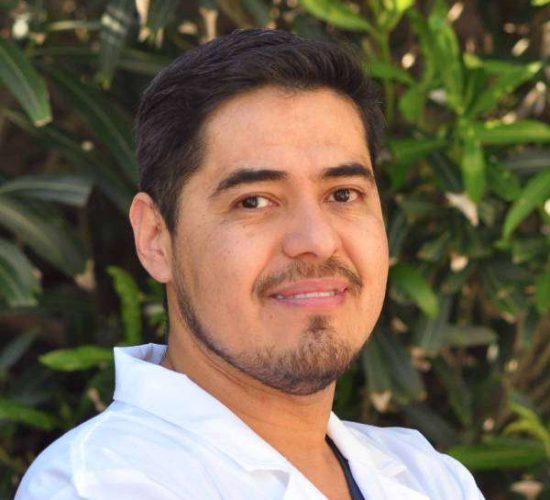
In this LIVE from ILADS interview, Tick Boot Camp co-host Rich sits down with Dr. Francisco Ulloa, MD of Sanoviv Medical Institute in Mexico to explore the clinic’s approach to integrative Lyme disease treatment, functional medicine, precision-oriented care, and patient education.
Recorded at the 2025 International Lyme and Associated Diseases Society (ILADS) Conference in San Antonio, Texas, the conversation offers an inside look at how Sanoviv brings together physicians, nutritionists, psychologists, and other specialists to evaluate patients and develop coordinated treatment strategies.
With approximately 17 years of experience at Sanoviv, Dr. Ulloa explains why he believes treating complex chronic illness requires understanding the individual patient, not simply following a standardized protocol.
Rich and Dr. Ulloa also discuss the emotional challenges of chronic illness, the relationship between conventional and functional medicine, and why the habits patients develop during treatment may be important after returning home.
For people researching Lyme disease treatment options in Mexico, this interview provides insight into Sanoviv’s clinical philosophy, patient evaluation process, and residential care experience.
About Dr. Francisco Ulloa, MD
Originally from Mexico, Dr. Francisco Ulloa studied and worked in Guadalajara before joining Sanoviv Medical Institute.
He first learned about the facility approximately 20 years before this interview through a professional relationship between Sanoviv and the university where he worked.
During his initial visit, he was impressed by the environment and its approach to healthcare. He hoped to eventually become part of the medical team.
Approximately two years later, he received an invitation to join the institute.
By the time of this interview, Dr. Ulloa had spent approximately 17 years working at Sanoviv.
His clinical philosophy emphasizes multidisciplinary collaboration, functional medicine, individualized medical planning, and helping patients understand their health.
He believes one of the institute’s greatest strengths is bringing healthcare professionals from different disciplines together to evaluate complex cases and coordinate patient care.
What Makes Sanoviv’s Approach to Lyme Disease Different?
Located in Rosarito Beach, Baja California, Mexico, Sanoviv Medical Institute offers residential integrative medical programs for patients with a variety of health concerns, including Lyme disease and associated conditions.
Dr. Ulloa describes Sanoviv as a functional medicine clinic built around collaboration among multiple healthcare disciplines.
Rather than having patients visit specialists independently and attempt to coordinate recommendations themselves, the institute brings those professionals together within one facility.
Its team includes medical doctors, nutritionists, psychologists, chiropractors, kinesiologists, fitness professionals, and biological dentistry specialists.
Dr. Ulloa explains that the clinic’s physicians have training associated with the Institute for Functional Medicine (IFM).
Patients typically spend several weeks at the facility, although some extend their stays depending on medical needs, personal goals, and financial circumstances.
During that time, the team works to understand each patient’s medical history, evaluate current health concerns, and develop a coordinated plan.
How the Multidisciplinary Evaluation Process Works
One of the most revealing parts of the interview is Dr. Ulloa’s description of Sanoviv’s medical meetings.
When patients arrive, different members of the clinical team evaluate their cases from their respective professional perspectives.
The team then meets to discuss findings, compare observations, and determine treatment priorities.
Dr. Ulloa explains that the most important issue to address first may not always be the symptom the patient finds most troubling.
This is where collaboration becomes particularly valuable.
Instead of making decisions based on one professional’s perspective, the team considers the patient’s broader medical circumstances.
Rich describes this as a precision-oriented approach to medicine, where the treatment strategy is developed around the individual rather than applying the same protocol to everyone.
Why Lyme Disease Treatment May Need to Be Individualized
Dr. Ulloa emphasizes that people with Lyme disease can have very different medical histories, symptoms, and treatment needs.
He discusses several factors that may influence the clinical picture, including immune system function, genetics, underlying health conditions, previous treatments, and individual susceptibility.
His philosophy is that clinicians should evaluate these differences when developing a treatment strategy.
For some patients, this may mean addressing sleep disturbances, nutritional concerns, physical limitations, or other diagnosed medical conditions alongside appropriate treatment for Lyme disease.
Dr. Ulloa believes the goal should be to understand the patient as a whole rather than focusing exclusively on one symptom.
This approach is especially relevant to people experiencing complex or persistent symptoms who may benefit from coordinated evaluation across multiple medical specialties.
Importantly, Lyme disease is caused by infection with Borrelia bacteria. Individualized supportive care does not replace evidence-based diagnosis or appropriate antibiotic treatment.
The Power of Helping Patients Understand Their Medical History
Dr. Ulloa identifies patient education as one of the most meaningful aspects of the Sanoviv experience.
People living with complicated chronic illnesses may arrive after years of searching for explanations.
Some have consulted numerous healthcare professionals, undergone extensive testing, or tried multiple treatments without achieving the improvement they hoped for.
Dr. Ulloa explains that the medical team works to review each patient’s history and communicate its findings in a way the patient can understand.
During the first weeks of treatment, patients may interact frequently with physicians and other specialists.
These conversations provide opportunities to understand treatment recommendations, discuss priorities, and ask questions.
Dr. Ulloa describes how meaningful it can be when a medical team helps patients make sense of their health history.
For people who have struggled to feel heard or understood, having their experiences carefully evaluated can provide validation and a clearer path forward.
Emotional Support, Hope, and Chronic Illness
Rich asks Dr. Ulloa about the relationship between emotional well-being and the treatment experience.
Chronic illness can affect much more than physical health.
Patients may face uncertainty about their future, changes in employment, financial pressure, disrupted relationships, and the emotional exhaustion of navigating ongoing symptoms.
Dr. Ulloa explains that psychological support is an important part of Sanoviv’s multidisciplinary approach.
He believes clinicians should recognize the emotional challenges associated with illness while helping patients understand their treatment options.
The conversation also explores the importance of hope.
When patients have experienced years of setbacks, a coordinated medical plan and supportive clinical environment may help them feel more confident about the future.
However, emotional outlook does not determine whether someone will recover from Lyme disease. Patients should never be blamed for persistent symptoms or made to feel that they have failed because improvement has been difficult.
Hope is most meaningful when accompanied by appropriate medical care, honest communication, and realistic expectations.
Why Lifestyle Education Is Central to the Sanoviv Experience
A major theme of this interview is what happens after a patient leaves a residential treatment program.
Rich raises the concern that some people may expect an intensive medical experience to resolve their health challenges without requiring any changes to their everyday routines.
Dr. Ulloa explains that Sanoviv emphasizes lifestyle education because the institute wants patients to continue applying what they learn after returning home.
The discussion includes nutrition, sleep, physical activity, emotional well-being, and maintaining appropriate health practices.
Dr. Ulloa believes these factors can influence general health and a patient’s ability to manage certain medical conditions.
He also acknowledges that not every patient is equally interested in a lifestyle-oriented approach.
Some people seek a quick intervention, while others are willing to participate in a more comprehensive program.
His goal is to help patients understand the reasoning behind recommendations so they can make informed decisions about their ongoing care.
Lifestyle changes may support overall wellness and symptom management, but Lyme disease is an infectious illness—not a consequence of unhealthy habits—and these measures are not substitutes for appropriate medical treatment.
Can Conventional Medicine and Functional Medicine Work Together?
Dr. Ulloa challenges the idea that patients must choose exclusively between pharmaceutical medicine and complementary approaches.
He describes encountering people with strongly held beliefs about different types of treatment.
Some prefer to avoid prescription medications, while others are skeptical of nutritional or lifestyle-based interventions.
His approach is to consider the available options according to the patient’s clinical needs.
He provides an example involving someone with longstanding sleep difficulties who may benefit from carefully selected short-term medication while other aspects of care are addressed.
Dr. Ulloa describes medication in this situation as a temporary support that may help the patient transition toward a broader management plan.
The conversation illustrates his belief that treatment should not be limited by rigid philosophical boundaries.
Medication decisions must still account for evidence, safety, potential interactions, and the individual patient’s condition. Some medications are appropriate for short-term use, while others may be necessary for long-term treatment.
Moving Beyond the Expectation of a Quick Cure
Rich and Dr. Ulloa discuss the expectations patients may bring to an intensive medical program.
Dr. Ulloa believes some people approach treatment hoping for one intervention that will resolve every symptom.
He explains that complex health conditions may require a more comprehensive approach and ongoing medical attention.
Their discussion includes the distinction between cure and remission.
Dr. Ulloa expresses a preference for discussing remission in certain chronic medical situations because he believes it encourages more realistic conversations about sustained improvement.
The meaning of these terms varies by disease.
For Lyme disease, appropriate antibiotic treatment cures the infection in most patients, although some individuals experience persistent symptoms after treatment.
Those symptoms deserve careful evaluation and compassionate medical attention.
The broader message of the conversation is that patients benefit from understanding what a treatment program can realistically offer and what additional care may be needed afterward.
The Importance of Trust and Shared Decision-Making
Dr. Ulloa encourages patients to approach treatment with openness, particularly when recommendations challenge their previous assumptions.
He describes the value of allowing medical professionals to explain their approach before rejecting an intervention based on personal beliefs.
This part of the conversation raises an important principle: effective healthcare depends on trust and collaboration.
Patients should feel comfortable asking questions, discussing concerns, reviewing potential risks, and understanding why a treatment is being recommended.
Clinicians, in turn, should respect patients’ experiences, preferences, and right to make informed decisions.
A strong patient-provider relationship combines professional expertise with the patient’s knowledge of their own symptoms and medical history.
Exploring Sanoviv’s Lyme Disease Treatment Program
This interview focuses primarily on the philosophy and medical coordination behind Sanoviv’s care.
For listeners interested in the specific treatments offered at the facility, Tick Boot Camp previously interviewed Bill Mansell about the institute’s residential Lyme disease program.
Episode 499: Comprehensive Lyme Disease Treatment at Sanoviv Medical Institute – Bill Mansell explores the program’s approach to diagnostic evaluation, antibiotics, whole-body hyperthermia, nutritional support, and aftercare.
That conversation provides additional context about the treatments and services discussed by Sanoviv representatives.
Some integrative interventions, including whole-body hyperthermia for Lyme disease, are not established standard treatments and may involve significant medical risks. Patients should independently evaluate the evidence and safety of specific procedures.
Together, these two interviews offer different perspectives: Bill Mansell discusses the treatment program, while Dr. Ulloa explains the medical philosophy, team collaboration, and patient experience.
How to Become a Patient at Sanoviv
At the end of the interview, Rich asks Dr. Ulloa how prospective patients can contact the institute.
Dr. Ulloa explains that the admissions process begins through Sanoviv’s official website.
Prospective patients can complete a contact form and communicate with an admissions representative.
The admissions team may request medical history, laboratory results, and other relevant documentation.
A physician then reviews the available information to help determine which services or programs may be appropriate.
Dr. Ulloa explains that Sanoviv receives inquiries from patients in the United States, Canada, Europe, Asia, and other regions.
Anyone considering a residential medical program should ask about the proposed treatment plan, supporting evidence, medical risks, total costs, and arrangements for follow-up care before making a decision.
Key Takeaways from Dr. Francisco Ulloa
- Multidisciplinary care: Sanoviv brings together professionals from different healthcare disciplines to evaluate patients and coordinate treatment.
- Personalized planning: Dr. Ulloa believes complex medical conditions require attention to each patient’s individual circumstances.
- Patient education: Helping patients understand their medical history and treatment recommendations is a major part of the institute’s philosophy.
- Emotional support: Psychological well-being is addressed alongside physical health concerns.
- Integrative medicine: Dr. Ulloa advocates considering appropriate conventional and supportive interventions rather than relying on one rigid philosophy.
- Long-term wellness: The clinic emphasizes helping patients develop health practices they can continue after leaving the facility.
- Shared decision-making: Effective care requires communication, trust, and informed participation.
- Realistic expectations: Intensive medical programs should be viewed as one possible component of a broader healthcare plan rather than a guaranteed cure.
About This LIVE from ILADS Interview
This conversation was recorded at the 2025 International Lyme and Associated Diseases Society (ILADS) Conference in San Antonio, Texas.
The conference brings together healthcare professionals, researchers, and advocates to discuss Lyme disease, associated tick-borne infections, and emerging approaches to patient care.
Rich and Dr. Ulloa conclude by discussing the possibility of a future, longer-form Tick Boot Camp interview exploring Sanoviv’s work in greater detail.
Discover additional conversations with physicians, researchers, and advocates in Tick Boot Camp’s LIVE from ILADS interview series.