
LIVE from ILADS: What happens when nearly 20,000 Lyme disease patients pool their experiences to help researchers understand what patients are actually living through?
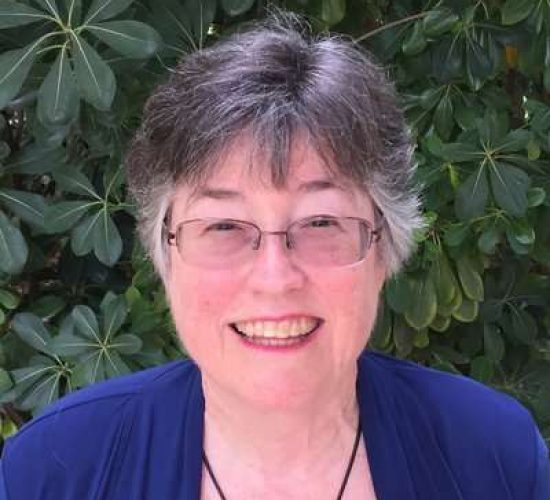
Tick Boot Camp sits down in person with Dorothy Kupcha Leland, President of LymeDisease.org to explore the power of MyLymeData, patient-driven Lyme disease research, sex-based differences in persistent Lyme disease, evidence-based patient education, and the importance of giving people reliable information without telling them which treatment they should choose.
This conversation was also personally meaningful for Tick Boot Camp.
After years of interacting with Dorothy through Zoom and other platforms, Rich and Dorothy finally had the opportunity to meet face-to-face at ILADS.
The timing couldn’t have been better.
At the time of this interview, MyLymeData was celebrating its 10th anniversary and approaching 20,000 enrolled patients.
Those patients have contributed information about tick bites, diagnostic delays, symptoms, doctors, treatments, outcomes, and other aspects of living with Lyme disease—creating a large patient-powered dataset researchers can use to ask questions that traditional studies haven’t always addressed.
For people who are too sick to become traditional advocates, MyLymeData also offers something powerful:
Your experience can become data. Your data can become research. And that research can help move the Lyme community forward.
What Is MyLymeData?
MyLymeData is LymeDisease.org‘s patient-powered research registry.
Launched in 2015, the program allows people with Lyme disease to privately contribute real-world information about their experiences.
Participants can report information such as:
- Whether they remember a tick bite
- How long diagnosis took
- How many doctors they saw
- Symptoms they experienced
- Treatments they tried
- What helped
- What didn’t help
- Co-infections and other diagnoses
- Functional impact of illness
- Other aspects of their Lyme disease journey
Rather than relying exclusively on what clinicians, insurance claims, or researchers record about Lyme disease patients, MyLymeData gives patients the opportunity to report their experiences directly.
That distinction matters.
Turning Patient Stories Into Lyme Disease Research
Dorothy describes MyLymeData as a way to assemble thousands of individual experiences into a larger picture of what Lyme patients actually look like and what they need.
One person’s experience is a story.
Thousands of systematically collected experiences become data that researchers can analyze.
That patient-powered model has allowed MyLymeData to investigate questions surrounding diagnosis, treatment, symptoms, access to care, quality of life, and differences among patient subgroups.
Researchers have also used the registry in peer-reviewed publications.
Explore MyLymeData research and publications to see how patient-reported information is being transformed into Lyme disease research.
Why Participating Can Be a Form of Advocacy
Rich explains why Tick Boot Camp has frequently encouraged patients to participate in MyLymeData.
People living with severe chronic illness often ask:
"What can I do to help?"
Not everyone has the health to attend events, lobby lawmakers, organize fundraisers, create content, or become a public advocate.
But contributing information to patient-powered research can itself be a meaningful form of advocacy.
A patient can document what happened to them.
That experience becomes part of a larger dataset.
Researchers can analyze that information.
And eventually the findings may help shape future research questions, healthcare policy, clinical studies, and understanding of the patient population.
For someone who feels that Lyme disease has taken away their ability to contribute, that can be deeply validating.
What MyLymeData Revealed About Women & Lyme Disease
One of the most important examples discussed in this interview involves sex-based differences in persistent Lyme disease.
For years, Tick Boot Camp noticed something that was difficult to ignore:
A large percentage of people volunteering to publicly tell their Lyme disease stories were women.
The platform was sometimes criticized for disproportionately interviewing women.
But Tick Boot Camp wasn’t intentionally excluding men.
Rich explains that the team actively tried to find more men willing to share their Lyme experiences and repeatedly encountered the same difficulty.
Then MyLymeData provided research that helped add context to what the community was observing.
Women Report Different Experiences With Persistent Lyme Disease
The MyLymeData research discussed by Dorothy examined data from 2,170 people with persistent Lyme disease.
Researchers found significant differences between the experiences reported by women and men.
Women reported:
- Longer diagnostic delays
- More severe symptoms
- Greater functional impairment
- Higher rates of tick-borne co-infections
- More misdiagnoses
The researchers did not find significant sex-based differences in antibiotic treatment response or side effects.
The takeaway isn’t that men and boys don’t get Lyme disease.
They absolutely do.
The question is whether biological sex may influence disease presentation, diagnosis, progression, or other aspects of Lyme disease—and whether researchers need to examine those differences rather than averaging everyone together.
Read more about sex-based differences in Lyme disease and the research generated using MyLymeData.
Why Sex-Disaggregated Lyme Research Matters
Historically, many medical studies did not adequately examine whether diseases affected men and women differently.
If researchers combine everyone into one dataset without analyzing sex-based differences, important patterns may disappear inside the average.
Dorothy explains why identifying those patterns matters for everyone.
Could symptoms present differently?
Could one group experience longer diagnostic delays?
Could biological differences influence immune responses?
Could testing perform differently?
Could different approaches eventually improve outcomes?
These are questions for research—not reasons to assume every woman or every man will experience Lyme disease the same way.
That distinction fits another major theme running throughout Tick Boot Camp’s ILADS conversations:
Individual patients should not be reduced to averages.
Validation Through Patient-Reported Data
MyLymeData can also provide something less measurable but extremely important:
validation.
Someone who has experienced profound fatigue, cognitive dysfunction, pain, or other difficult-to-explain symptoms may have spent years wondering whether anyone else experiences the same thing.
Patient-reported data can show them that they aren’t alone.
Rich describes how Tick Boot Camp community members can look at aggregated symptom information and recognize experiences similar to their own.
Instead of seeing one social media post or hearing one person’s anecdote, they can see patterns drawn from thousands of patients.
The patient’s individual experience remains unique.
But seeing similar experiences reflected in a larger population can help people feel heard and understood.
The 10-Year MyLymeData Research Chartbook
At the time of this ILADS interview, Dorothy shared that LymeDisease.org was preparing a special publication summarizing what the organization had learned during the first decade of MyLymeData.
That resource has since been released.
The MyLymeData 2025 Research Chartbook brings together a decade of patient-powered research and provides a visual overview of findings generated through the registry.
Among the subjects addressed are:
- Diagnostic delays
- Persistent Lyme disease
- Treatment outcomes
- Patient subgroups
- Sex-based differences
- Clinical trial enrollment
- Quality of life
- Treatment response
- Research design
- Real-world patient populations
For patients, clinicians, researchers, and advocates who want a deeper look at what patient-generated data has contributed to Lyme disease research, the chartbook is an important resource.
LymeDisease.org as a Lyme News Hub
MyLymeData isn’t the organization’s only major contribution.
Dorothy describes LymeDisease.org as a news hub for the Lyme community.
When her daughter became sick more than 20 years ago, Dorothy remembers how difficult it was to find useful Lyme disease information.
There were relatively few books and far fewer reliable online resources than exist today.
LymeDisease.org has helped build that information ecosystem through:
- Lyme disease news
- Research coverage
- Educational articles
- Blogs
- The Lyme Times
- Weekly email newsletters
- Patient resources
- Physician information
- Advocacy
- MyLymeData
Dorothy’s own Touched by Lyme writing has also become a long-running source of Lyme disease news and commentary.
"Show Us the Receipts"
Rich highlights something Tick Boot Camp particularly values about LymeDisease.org:
Research is linked back to its source.
Rather than simply announcing an exciting headline or repeating a treatment claim, the organization frequently gives readers access to the underlying study or evidence being discussed.
That allows patients to investigate further.
It also allows advocates to understand where claims originate rather than simply repeating something they encountered on social media.
In a disease community where information can become polarized quickly, access to primary research matters.
Information Without Telling Patients What to Do
Dorothy makes an important distinction about LymeDisease.org‘s role.
Patients sometimes contact the organization wanting specific instructions:
What medication should I take?
Which treatment should I do?
That’s not LymeDisease.org‘s role.
Those decisions belong between patients and qualified healthcare professionals.
Instead, LymeDisease.org tries to help people become better-informed patients.
Understanding available treatments, controversies, evidence, risks, and unanswered questions can help someone have a more productive conversation with their doctor.
SOT: A Good Example of Responsible Lyme Education
Dorothy uses Supportive Oligonucleotide Therapy (SOT) as an example.
Patients were asking questions about it.
Rather than telling people:
"You should do SOT."
or
"You should never do SOT."
LymeDisease.org published information explaining the treatment and the surrounding questions and controversy.
Dorothy’s philosophy was straightforward:
Patients are asking.
Give them information.
Then let them discuss whether it is appropriate for their individual situation with their healthcare provider.
That approach closely parallels Tick Boot Camp’s philosophy when covering emerging and controversial treatments.
For more conversations specifically involving SOT, explore Tick Boot Camp’s interview with Dr. Hank Sloan, ND.
One Treatment Can Help One Person & Hurt Another
Dorothy’s perspective was shaped partly by eight years leading a Lyme disease support group in Sacramento.
She heard countless patient stories.
And she noticed something important:
Almost any treatment someone mentioned had helped somebody—and had failed or caused problems for somebody else.
She mentions examples ranging from IV antibiotics to hyperbaric oxygen.
That’s why anecdotal success shouldn’t automatically become a universal treatment recommendation.
A person who finally improves after years of suffering understandably wants to tell everyone:
"This is what worked!"
That desire usually comes from a good place.
But another patient may have a completely different infection profile, physiology, medical history, co-infections, immune response, environmental exposure, or set of underlying conditions.
What helped one person may not help another.
There Is No Universal Lyme Treatment
This becomes one of the strongest shared principles between LymeDisease.org and Tick Boot Camp.
There is no single treatment that’s appropriate for everyone.
Precision matters.
Individualization matters.
The clinician matters.
The patient matters.
That’s also why Tick Boot Camp doesn’t tell listeners which Lyme doctor they should see.
Instead, the Tick Boot Camp Doctors Directory gives people access to long-form interviews and profiles so they can hear physicians explain their own philosophies, approaches, experiences, and areas of focus.
Patients can learn.
They can ask better questions.
They can determine which philosophy resonates with them.
But individualized medical decisions remain between the patient and their healthcare team.
Reliable Information Builds Community
Dorothy also discusses another important function of LymeDisease.org:
helping people feel connected to a community.
A weekly newsletter may sound simple.
But for someone who has spent years isolated by illness, knowing what’s happening in Lyme disease research, advocacy, treatment, and policy can help them feel connected to something larger.
Good information can empower.
It can validate.
It can create questions to bring to a doctor.
It can help someone discover new research.
And it can give patients ways to participate in progress even while they’re still sick.
How Can Lyme Patients Help?
Dorothy closes with several simple ways people can support the work:
Participate in MyLymeData.
Adding your experience contributes to a growing body of patient-powered research.
Join the LymeDisease.org mailing list.
Receiving and sharing reliable information helps spread awareness and keeps people connected with developments in the field.
Support LymeDisease.org.
For people who are able, donations help sustain the organization’s education, advocacy, communication, and research efforts.
Most importantly, patients shouldn’t underestimate the value of their own experience.
The information one person contributes may feel small.
Combined with thousands of other patients, it can reveal patterns that researchers otherwise might never see.
About Dorothy Kupcha Leland
Dorothy Kupcha Leland is President of LymeDisease.org, one of the longest-running patient advocacy organizations serving people affected by Lyme disease and other tick-borne illnesses.
Her involvement in the Lyme community grew from her family’s experience after her daughter became ill more than two decades ago.
Before taking on her current leadership role, Dorothy spent years as a Lyme disease support group leader in Sacramento, giving her direct exposure to the wide range of experiences, treatments, successes, setbacks, and challenges reported by patients.
She writes the long-running Touched by Lyme blog and is co-author of When Your Child Has Lyme Disease: A Parent’s Survival Guide and Finding Resilience: A Teen’s Journey Through Lyme Disease.
LymeDisease.org‘s work includes patient education, advocacy, research, news coverage, physician resources, and MyLymeData, its large-scale patient-powered research registry.
Key Topics in This Episode
Dorothy Leland, LymeDisease.org, MyLymeData, Lyme disease research, patient-powered research, Lyme disease patient registry, persistent Lyme disease, chronic Lyme disease, women and Lyme disease, sex differences in Lyme disease, Lyme disease symptoms, Lyme disease diagnosis, diagnostic delays, Lyme disease treatment, SOT Lyme disease, Supportive Oligonucleotide Therapy, Lyme disease advocacy, patient advocacy, Lyme disease data, real-world evidence, individualized Lyme treatment, precision medicine, Lyme disease doctors, Lyme disease community, ILADS, and patient education.
About This LIVE from ILADS Interview
This short-form conversation was recorded in person at the 2025 International Lyme and Associated Diseases Society Annual Scientific Conference, From Terrain to Treatment: Advances in Vector-Borne Illness, held October 9–12, 2025, in San Antonio, Texas.
After years of virtual interactions, this was the first time Rich and Dorothy had the opportunity to meet and record together in person.
Because these interviews were recorded live at the conference, they have a different feel from Tick Boot Camp’s traditional long-form virtual and studio conversations—shorter, focused, and surrounded by the energy and activity of ILADS.
Explore all Tick Boot Camp LIVE from ILADS interviews.
More from Tick Boot Camp
Explore conversations with Lyme disease doctors and healthcare professionals to learn directly from practitioners about their approaches to Lyme disease and complex chronic illness.
Explore conversations with Lyme disease researchers working to advance understanding of tick-borne disease.
Visit the Tick Boot Camp Podcast for patient stories and interviews with doctors, researchers, advocates, and other voices working to improve Lyme disease awareness, understanding, and care.