
Tick Boot Camp Podcast
Dr. Lindsey Wells was featured on the Tick Boot Camp Podcast:
- Can Lyme Affect Folate in the Brain? Dr. Lindsey Wells on Autism, PANS/PANDAS & FRAA (COMING SOON)
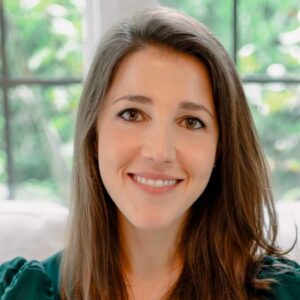
Meet Dr. Lindsey Wells, ND
Dr. Lindsey Wells is a naturopathic physician in Trumbull, Connecticut, whose practice focuses on children and families navigating complex neurodevelopmental, neuropsychiatric, immune, and chronic health conditions.
Her areas of focus include PANS/PANDAS, autism spectrum disorder, tick-borne diseases, and other neurodevelopmental disorders.
Rather than looking at symptoms in isolation, Dr. Wells works to understand the many biological factors that may be influencing a child’s health, including infection, inflammation, immune function, nutrition, mitochondrial health, environmental exposures, and neurological function.
Her clinical toolbox incorporates naturopathic and integrative approaches including botanical medicine, nutraceuticals, nutrition, homeopathy, and individualized supportive care.
From Pediatric Medicine to Complex Chronic Illness
Dr. Wells knew early in her medical education that she wanted to work with children.
During her naturopathic medical training, pediatric clinical rotations introduced her to children, adolescents, and young adults with autism and other special needs. Those experiences had a major influence on the direction of her career and helped establish her long-term interest in neurodevelopmental medicine.
After beginning in a broader pediatric practice, Dr. Wells went on to work for approximately seven years alongside her mentor, Dr. Nancy O’Hara, where her work increasingly focused on children with PANS/PANDAS.
Over time, she began noticing something important.
Some children did not follow the more recognizable pattern of a PANDAS flare following strep exposure and then improving. Instead, they remained chronically symptomatic or reacted dramatically to multiple infectious and environmental triggers.
That observation pushed Dr. Wells to investigate Lyme disease, Bartonella, Babesia, and other vector-borne infections more closely.
Today, evaluating these potential underlying contributors has become an important part of her work with complex pediatric patients.
Autism, Regression and the Search for Underlying Triggers
Autism has been an important part of Dr. Wells’ clinical work since the beginning of her career. During her medical training, she was particularly drawn to working with autistic adolescents and young adults, a population she felt did not always receive the same attention or range of treatment options available to younger children.
Dr. Wells emphasizes that she does not believe there is an arbitrary age after which meaningful improvements are no longer possible. Her approach is to continue looking for potentially modifiable contributors to a child’s health, communication, behavior, cognition, and overall quality of life.
In the Tick Boot Camp interview, Dr. Wells explains that autism is formally diagnosed through an extensive clinical evaluation, generally by specialists such as developmental pediatricians or neurologists. At the same time, her clinical work has led her to explore how genetic susceptibility may interact with environmental and biological factors.
Dr. Wells describes autism as potentially involving both a genetic predisposition and environmental influences. In some of the children she treats, she investigates factors such as infection, inflammation, immune dysregulation, nutritional status, and other physiological stressors that may be contributing to the child’s overall presentation.
She is particularly interested in children who were developing typically and then experienced an abrupt regression involving behavior, academics, communication, or other neurological functions following an illness or other trigger. In these situations, Dr. Wells considers whether PANS or another infection-triggered neuroimmune process could be contributing to symptoms that may resemble or intensify autistic characteristics.
She also notes that some children experience periods when autism-like symptoms become significantly more pronounced and then improve again. When symptoms fluctuate in this way, Dr. Wells believes it can be valuable to investigate whether an infectious or inflammatory trigger is contributing rather than assuming every change is solely part of the child’s underlying autism diagnosis.
Over the course of her career, Dr. Wells has become increasingly interested in the overlap she observes among autism, PANS/PANDAS, and vector-borne disease. She advocates for greater research into these relationships and believes clinicians caring for autistic children should be aware of possible underlying medical contributors when the history and symptoms support further investigation.
PANS/PANDAS and Infection-Triggered Neuropsychiatric Symptoms
PANS stands for Pediatric Acute-Onset Neuropsychiatric Syndrome, while PANDAS refers specifically to Pediatric Autoimmune Neuropsychiatric Disorders Associated with Streptococcal Infections.
Children can experience dramatic changes involving OCD, anxiety, separation anxiety, motor or vocal tics, sleep, attention, behavior, emotional regulation, urinary symptoms, speech, academics, or other neurological and psychiatric functions.
Dr. Wells’ clinical work explores the possibility that some children have multiple overlapping contributors rather than one isolated trigger.
She considers infections, immune activation, inflammation, and other biological stressors as pieces of a larger clinical picture.
Looking for Vector-Borne Disease in Complex Pediatric Cases
Because Dr. Wells practices in the Northeast, tick exposure and vector-borne infections became increasingly difficult to ignore.
She describes encountering children whose PANS/PANDAS symptoms remained unusually severe or persistent and finding evidence of infections including Borrelia, Bartonella, and Babesia.
Bartonella is of particular interest in her clinical work because she frequently encounters it in children experiencing significant neuropsychiatric symptoms such as aggression, rage, irritability, anxiety, OCD, and sensory sensitivity.
Her approach emphasizes looking beyond the diagnostic label and asking what may be contributing to the individual child’s illness.
An Integrative Approach to Treatment
Dr. Wells describes her approach to complex PANS/PANDAS cases as involving several interconnected goals.
When appropriate, treatment may involve addressing suspected infectious contributors with antimicrobial strategies, including botanical medicine.
She also focuses heavily on immune regulation and inflammation, because infection alone may not explain the complete clinical picture.
Finally, symptom support remains important.
For a child experiencing disabling anxiety, OCD, aggression, sleep problems, speech changes, cognitive difficulties, or other significant symptoms, improving quality of life while addressing underlying contributors is an important part of care.
That whole-person approach reflects the philosophy that initially drew Dr. Wells to naturopathic medicine.
Botanical Medicine and Pediatric-Friendly Formulations
Dr. Wells frequently incorporates botanical medicine into her clinical work.
Because children and medically sensitive patients may have difficulty tolerating alcohol-based herbal tinctures, she has extensive experience using glycerite-based botanical preparations, in which plant constituents are extracted using glycerin rather than alcohol.
Her clinical discussions include herbs and nutrients used for antimicrobial, inflammatory, neurological, mitochondrial, and symptom-support purposes, depending upon the individual patient.
Treatment should be individualized, particularly for children with complex medical histories.
Dr. Wells’ Research
In addition to treating patients, Dr. Wells is actively contributing to research involving folate metabolism and neuropsychiatric illness.
She has published research examining folate receptor alpha autoantibodies in PANS/PANDAS and is the first author of a 2026 study examining folate receptor alpha autoantibodies in people with vector-borne diseases.
Her work is helping raise new questions about the relationship between infection, autoimmunity, folate transport, brain function, and neuropsychiatric symptoms, including symptoms seen in PANS/PANDAS, autism, and vector-borne disease populations.
Read her latest publication:
Folate Receptor Alpha Autoantibodies in Vector-Borne Disease Populations
You can hear Dr. Wells explain the research in detail in her Tick Boot Camp Podcast interview.
Leadership and Education
Dr. Wells is a Fellow of the Medical Academy of Pediatrics & Special Needs (FMAPS) and the immediate Past President of the Connecticut Naturopathic Physicians Association.
During her leadership with the association, she worked to strengthen Connecticut’s naturopathic medical community and expand the profession’s scope of practice.
She also lectures on subjects including PANS/PANDAS and autism for professional and parent audiences.
Dr. Wells is the author of the children’s book Super Sam and the Battle Against PANS/PANDAS and created the Well-Minded Mommas Club, a community designed to support mothers raising children with complex illnesses.
Supporting the Entire Family
One of the most distinctive parts of Dr. Wells’ philosophy is her belief that chronic childhood illness affects far more than the child.
Parents, siblings, marriages, routines, school, work, and emotional health can all be affected when a child becomes seriously ill.
Dr. Wells believes supporting the family unit is an important part of helping the child thrive physically, emotionally, socially, and academically.
That family-centered philosophy has remained central to her work throughout her career.
Learn More or Work With Dr. Lindsey Wells
Dr. Wells practices in Trumbull, Connecticut and focuses her clinical work on pediatric patients.
To learn more about her background, practice, availability, and how to work with her, visit: