What happens when Lyme disease patients develop seizures, neurological symptoms, or serious complications—and the treatments they’re receiving aren’t working?
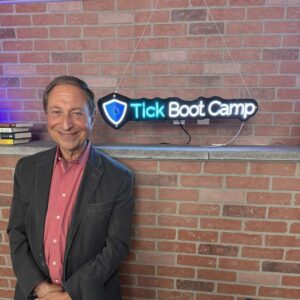
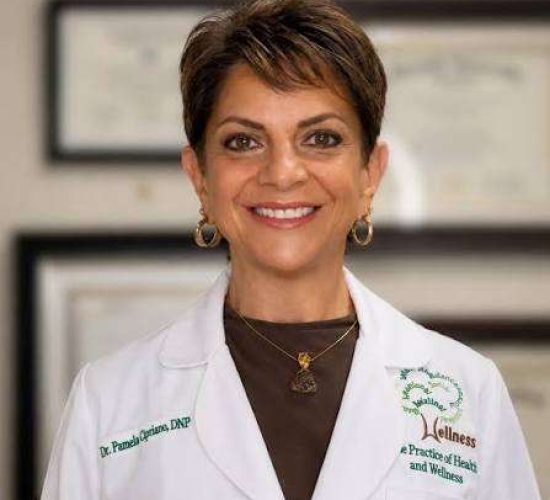
In this LIVE from ILADS interview, Tick Boot Camp co-host Rich reconnects with Dr. Pamela Cipriano, DNP, APRN, a Connecticut nurse practitioner specializing in Lyme disease, tick-borne infections, and complex chronic illness.
Recorded at the 2025 International Lyme and Associated Diseases Society (ILADS) Conference in San Antonio, Texas, their conversation explores neurological Lyme disease, persistent seizures, suspected autoimmune encephalitis, Bartonella, Babesia, chronic urinary tract infections, and the challenges of caring for patients with complicated medical histories.
Dr. Cipriano shares two neurological case studies involving a 25-year-old man and a 14-year-old girl, discusses why some healthcare professionals hesitate to consider alternative diagnoses, and explains her efforts to improve Lyme disease education.
She also reflects on her personal journey into tick-borne disease medicine, her son’s illness, her training with Dr. Richard Horowitz, and her candidacy for the ILADS Board of Directors.
Throughout the conversation, one message stands out: Patients with persistent, unexplained symptoms deserve continued investigation, compassionate care, and healthcare professionals willing to collaborate.
Meet Dr. Pamela Cipriano, DNP, APRN
Dr. Pamela Cipriano is a Connecticut-based advanced practice registered nurse with a Doctor of Nursing Practice degree.
Her professional background includes hospital medicine, critical care, pharmaceutical sales, and the evaluation of patients with Lyme disease and other complex health conditions.
She joined ILADS in 2018 and has attended nearly every annual conference since becoming a member.
Dr. Cipriano explains that ILADS conferences expose her to research and clinical discussions involving tick-borne pathogens, immune function, environmental exposures, and different treatment approaches.
She emphasizes her interest in integrative medicine and individualized patient care.
Her decision to enter the field was deeply personal.
After her son developed significant health problems, including chronic bladder symptoms, she began investigating Lyme disease and associated infections.
That experience ultimately helped shape her professional focus.
Neurological Lyme Disease: Two Patients With Persistent Seizures
One of the most important parts of the interview focuses on two patients featured in Dr. Cipriano’s ILADS poster presentation.
The cases involve a 25-year-old man and a 14-year-old girl experiencing serious neurological complications.
Dr. Cipriano describes both patients as having neuroborreliosis-related concerns.
She explains that the patients developed seizures after beginning antibiotic treatment for Lyme disease.
The cases became particularly challenging because the patients continued experiencing neurological symptoms despite receiving anticonvulsant medications.
The 25-year-old patient, she reports, was taking three seizure medications and still experiencing seizures.
Dr. Cipriano began questioning whether an inflammatory or autoimmune neurological process might be contributing to his symptoms.
She discusses researching autoimmune encephalitis and sharing relevant literature with the patients’ neurologists.
Could Autoimmune Encephalitis Be Overlooked?
Autoimmune encephalitis occurs when the immune system attacks components of the brain, potentially causing seizures, behavioral changes, memory problems, and other neurological symptoms.
Dr. Cipriano raises concerns that clinicians may sometimes focus on controlling seizures without sufficiently investigating their underlying causes.
She discusses corticosteroids as one possible treatment used for certain inflammatory neurological disorders.
However, persistent seizures do not automatically indicate autoimmune encephalitis or neurological Lyme disease. Both conditions require careful diagnostic evaluation, and corticosteroids are not appropriate for every seizure disorder or infection.
New seizures, prolonged seizures, or repeated seizures without recovery are medical emergencies. Patients should receive prompt neurological evaluation and appropriate treatment.
When Patients and Families Find Support Through Shared Experiences
Dr. Cipriano explains that the two neurological patients eventually met through their treatment schedules.
Although they had not previously known one another, their families began connecting during appointments.
They shared experiences, asked about each other’s progress, and developed a sense of understanding.
For families navigating severe neurological illness, these connections can provide meaningful emotional support.
Their experiences also illustrate why community matters when patients face prolonged diagnostic uncertainty.
Knowing another family understands the challenges can reduce isolation, even when their medical situations are different.
Why Some Doctors Hesitate to Explore Unfamiliar Diagnoses
Rich asks Dr. Cipriano why healthcare professionals sometimes resist investigating conditions outside their established areas of expertise.
She believes medical training, professional expectations, and concerns about colleagues’ opinions may influence clinical decisions.
Dr. Cipriano reflects on her previous work as a hospitalist and explains that she has always been willing to question established approaches when patients are not improving.
She believes clinicians should remain open to additional evidence and consultation when a treatment plan is unsuccessful.
Rich also discusses the professional and regulatory pressures faced by physicians who treat complicated tick-borne disease cases.
They reference the history of Dr. Joseph Burrascano, whose work in Lyme disease has been influential within the ILADS community.
Their discussion highlights the importance of balancing professional responsibility, patient safety, scientific evidence, and clinical judgment.
A Lyme Disease Education Survey With Only 26 Responses
Dr. Cipriano describes an effort to understand how much local healthcare professionals know about Lyme disease.
She distributed 300 surveys to physicians, nurse practitioners, physician assistants, chiropractors, and naturopathic practitioners.
Only 26 responses were returned.
That represents a response rate of approximately 8.7%.
Dr. Cipriano found the limited participation discouraging.
She also shares that a former colleague contacted her privately to express support for her educational efforts.
The experience reinforced her belief that healthcare professionals need more opportunities to discuss Lyme disease openly and constructively.
Although the response rate does not establish what clinicians know or believe about Lyme disease, it illustrates the challenges Dr. Cipriano encountered while trying to encourage professional engagement.
Why Dr. Cipriano Ran for the ILADS Board of Directors
During the interview, Dr. Cipriano announces that she is running for the ILADS Board of Directors.
Her motivation is to expand membership, improve communication, and encourage more healthcare professionals to participate in Lyme disease education.
She believes her previous career in pharmaceutical sales provides skills that could help.
Before focusing on tick-borne disease care, Dr. Cipriano spent approximately 14 years in pharmaceutical sales and marketing.
She describes working with hospitals and medical decision-makers to explain treatment options and develop professional relationships.
One of the medications she represented was ceftriaxone, commonly known by the brand name Rocephin.
Ceftriaxone is an antibiotic used for certain serious bacterial infections, including selected neurological and cardiac manifestations of Lyme disease.
Dr. Cipriano believes her communication experience could help ILADS reach healthcare professionals who are unfamiliar with its work.
Her goal is to build relationships rather than create confrontation.
She wants clinicians to better understand the experiences of patients with complex tick-borne illnesses and the research being discussed within the ILADS community.
From Her Son’s Illness to Lyme Disease Practitioner
Dr. Cipriano explains that she began treating Lyme disease around 2017.
Her son’s illness played a major role in that transition.
Initially, she focused on Lyme disease after his testing identified Borrelia.
When his symptoms did not improve as expected, she began considering other possible infections.
She later pursued additional education through ILADS and trained with Dr. Richard Horowitz, MD.
Dr. Cipriano credits that training with helping her develop a broader approach to evaluating patients with complicated symptoms.
She also discusses her son’s reported improvement after treatment that addressed suspected additional infections.
His experience remains a personal clinical account and does not establish that every patient with persistent Lyme disease symptoms has Bartonella or Babesia.
The Three Bs and Four Bs of Tick-Borne Illness
Rich and Dr. Cipriano discuss how the Lyme disease community increasingly talks about multiple infections rather than Borrelia alone.
They reference the three Bs:
- Borrelia: The bacteria responsible for Lyme disease
- Bartonella: A group of bacteria associated with several human infections
- Babesia: Parasites that infect red blood cells and cause babesiosis
Dr. Cipriano also mentions a fourth category involving other Borrelia species associated with tick-borne relapsing fever.
She reports encountering more patients with laboratory findings suggesting multiple infections.
Rich asks whether this reflects improvements in testing, increased clinical awareness, or changes in tick-borne pathogen exposure.
Dr. Cipriano believes several factors may be involved.
However, the presence of multiple microorganisms in ticks does not mean every organism can infect humans or that every tick bite transmits multiple diseases.
Appropriate testing should be guided by symptoms, exposure history, geography, and validated diagnostic methods.
Parasites, Specialty Laboratories, and Diagnostic Challenges
Dr. Cipriano describes patients who have presented with suspected parasitic infections.
She discusses the challenges of identifying organisms through laboratory testing and her experience seeking additional evaluations when initial results were inconclusive.
She also raises concerns about the cost of specialty testing, particularly when patients must pay out of pocket.
Her examples include suspected intestinal parasites and other organisms that require identification by qualified laboratories.
During the conversation, Dr. Cipriano expresses her belief that some of these infections may be associated with tick exposure.
Identifying a suspected parasite requires appropriate clinical evaluation and laboratory confirmation. Visual appearance alone may not establish a diagnosis.
The discussion illustrates the frustration patients and clinicians can experience when trying to understand unusual or difficult-to-identify findings.
Mold, Heavy Metals, and Environmental Testing
Dr. Cipriano also discusses evaluating patients for possible environmental exposures.
She mentions mold-related concerns, mycotoxins, and heavy metals as areas she considers in selected cases.
She explains that different laboratories use different testing methods and that she sometimes turns to specialty laboratories when investigating complicated presentations.
However, the accuracy and clinical usefulness of tests vary.
Urine mycotoxin testing is not established as a reliable method for diagnosing illness caused by indoor mold exposure, and heavy metal testing should be selected according to credible exposure history and validated medical standards.
The interview underscores the importance of interpreting laboratory findings carefully rather than assuming every positive result identifies the cause of a patient’s symptoms.
Caring for Patients Other Practitioners Consider Too Complicated
Dr. Cipriano shares that some patients arrive after being turned away by other healthcare professionals.
She recalls a mother who contacted numerous Lyme disease practitioners before finding someone willing to evaluate her adult child’s complicated case.
Dr. Cipriano explains that her background in critical care has made her comfortable working with medically complex patients.
She also acknowledges the significant time commitment involved.
Her patients may require extensive follow-up, ongoing reassessment, and coordination with other specialists.
She describes working long days and frequently thinking about difficult cases outside normal office hours.
Her commitment reflects a central theme of the conversation: patients with complicated illnesses need clinicians who are willing to investigate, communicate, and continue reassessing their care.
Looking Ahead: Better Education and More Hope for Patients
Near the end of the interview, Rich asks Dr. Cipriano what she hopes will change over the following year.
She expects to encounter more patients with complex illnesses and hopes to continue expanding her educational outreach.
Most importantly, she wants fewer patients to hear that their symptoms are simply imagined.
She encourages healthcare professionals to remain curious, seek additional education, and acknowledge when a condition falls outside their expertise.
Dr. Cipriano also discusses sharing information through her website, social media, and YouTube channel.
She clarifies that she does not currently host her own podcast but participates in interviews with other organizations.
Rich encourages her to continue sharing her perspective because patients benefit from hearing different voices within the medical community.
Their conversation ends with a shared hope for greater understanding, collaboration, and improved access to knowledgeable care.
Key Takeaways
- Neurological symptoms deserve careful evaluation. Dr. Cipriano discusses two patients with persistent seizures and suspected inflammatory neurological complications.
- Autoimmune encephalitis is an important differential diagnosis. Certain patients with unexplained seizures may require investigation beyond routine epilepsy management.
- Professional education remains a challenge. Her Lyme disease survey received 26 responses from 300 invitations.
- ILADS plays an important role in her career. She has been a member since 2018 and was running for its Board of Directors at the time of the interview.
- Her son’s illness influenced her medical career. Personal experience led her to pursue additional training in Lyme disease and associated infections.
- Tick-borne illnesses extend beyond Borrelia. The discussion includes Bartonella, Babesia, and tick-borne relapsing fever.
- Unusual laboratory findings require careful interpretation. Specialty testing can be useful in selected situations, but accuracy and clinical validation matter.
- Patients with complex symptoms deserve compassionate care. Dr. Cipriano emphasizes persistence, communication, and continued investigation when appropriate.
About This LIVE from ILADS Interview
This conversation was recorded at the 2025 International Lyme and Associated Diseases Society Conference in San Antonio, Texas.
Rich welcomes Dr. Pamela Cipriano back to Tick Boot Camp for a discussion about neurological Lyme disease, persistent seizures, suspected autoimmune encephalitis, tick-borne co-infections, diagnostic challenges, and medical advocacy.
The interview also explores the professional pressures facing Lyme disease practitioners and Dr. Cipriano’s efforts to expand education through ILADS.
Explore more interviews with healthcare professionals, researchers, and advocates through Tick Boot Camp’s LIVE from ILADS podcast series.