
Tick Boot Camp Podcast
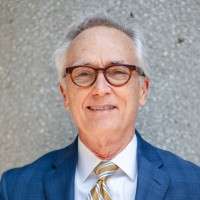
Dr. David Jernigan was featured on the Tick Boot Camp Podcast:
About Dr. David Jernigan
Dr. David A. Jernigan, DNM, DC, is an author, researcher, clinician, and founder of the Biologix Center for Optimum Health in Franklin, Tennessee. His work has focused for decades on people living with complex, chronic, and treatment-resistant illnesses, including Lyme disease and other tick-borne infections.
Dr. Jernigan approaches chronic illness through the lens of biological and bioregulatory medicine, with an emphasis on supporting the body’s regulatory systems rather than focusing exclusively on individual pathogens or symptoms.
His more recent work has focused heavily on bacteriophages—viruses that interact with bacteria—and the development of Induced Native Phage Therapy (INPT), an approach intended to influence phages already present within the body.
Lyme Disease and Chronic Illness
Dr. Jernigan has worked with people diagnosed with Lyme disease and complex chronic illness since the 1990s.
He was an early advocate for looking beyond simply killing Borrelia and considering factors such as detoxification, neurological function, the body’s internal environment, microbial interactions, and overall physiological regulation.
His books on Lyme disease include early editions of Surviving Lyme Disease and Beating Lyme Disease. His writing and clinical philosophy emphasize helping the body restore function while addressing factors that may contribute to persistent symptoms.
Over the course of his career, Dr. Jernigan has developed a number of testing and therapeutic approaches, including Biospectral Emission Sequencing, NeuroPhotonic Therapy, NeuroCardial Synchronization, and other techniques used within his biological medicine model.
Induced Native Phage Therapy (INPT)
Induced Native Phage Therapy (INPT) is one of the primary areas of Dr. David Jernigan’s current research and clinical work. The easiest way to understand INPT is to first understand bacteriophages.
What Are Bacteriophages?
Bacteriophages, usually shortened to “phages,” are viruses that infect bacteria. They are naturally found throughout the environment and within the human body as part of our microbial ecosystem.
Unlike antibiotics, which can affect many different types of bacteria, phages can be highly specific. A particular phage may recognize, infect, and ultimately destroy particular bacteria while leaving other bacteria unaffected.
One way to think about a bacteriophage is as a naturally occurring bacterial predator. A phage attaches to a susceptible bacterium and uses that bacterium as part of its replication process. With certain phages, this ultimately causes the bacterial cell to rupture, or lyse, releasing additional phages that can encounter other susceptible bacteria.
How Is INPT Different From Conventional Phage Therapy?
Conventional phage therapy typically involves identifying or developing phages that target a particular bacterial infection and then introducing those phages into the patient.
Dr. Jernigan’s Induced Native Phage Therapy is based on a different concept: instead of administering externally sourced phages, his approach attempts to influence bacteriophages that are already naturally present within a person’s body.
This distinction is central to INPT.
Dr. Jernigan proposes that a person’s microbiome contains enormous numbers of native phages, including phages capable of interacting with microorganisms contributing to chronic illness. His approach is designed to encourage or “induce” selected native phages to become more active against targeted microorganisms.
In simple terms, instead of bringing bacterial predators into the body from the outside, INPT attempts to activate bacterial predators that may already be there.
How Does Dr. Jernigan Propose INPT Works?
According to Dr. Jernigan’s model, chronic and treatment-resistant microorganisms may persist partly because the body’s immune and microbial systems are not effectively controlling them.
INPT is intended to alter the biological signals associated with native phages so that they more effectively recognize and interact with targeted microorganisms.
An important part of Dr. Jernigan’s theory is that bacteria can adapt and change under pressure. His approach therefore does not view INPT as simply activating one phage against one static bacterial target. Instead, he describes attempting to continually influence the interaction between native phages and changing microbial populations.
At the Biologix Center, INPT may also be combined with other therapies intended to change the body’s internal environment and support immune, neurological, metabolic, structural, and regulatory function.
Why Could Phages Matter in Lyme Disease?
Dr. Jernigan has explored INPT in the context of Lyme disease, relapsing fever, and other complex or treatment-resistant illnesses.
Lyme disease is caused by bacteria belonging to the Borrelia genus, making the relationship between bacteria and bacteriophages particularly interesting to researchers studying persistent or difficult-to-treat infections.
Phages are also being investigated more broadly because of characteristics that can include bacterial specificity, the ability to replicate in the presence of susceptible bacterial hosts, and interactions with bacterial biofilms.
Dr. Jernigan’s work asks a more specific question: rather than finding and administering an outside phage for every microbial target, could the enormous population of phages already living within the human body be influenced to help control problematic microorganisms?
That question is at the heart of Induced Native Phage Therapy.
INPT, Lyme Disease, and Treatment-Resistant Illness
Dr. Jernigan and colleagues published a 2021 retrospective review titled Induced Native Phage Therapy for the Treatment of Lyme Disease and Relapsing Fever: A Retrospective Review of First 14 Months in One Clinic.
His research has since expanded beyond Lyme disease alone. A 2024 publication, Induced Native Phage Cocktails for Multi-microbial Activation Syndrome in Treatment-Resistant Illnesses, explored the concept in patients with complex illnesses involving multiple microbial targets.
This reflects a broader part of Dr. Jernigan’s philosophy: patients with chronic illness may not always be dealing with one organism operating in isolation. Lyme disease can exist alongside other tick-borne infections and complex changes involving the microbiome, immune system, inflammation, and other physiological systems.
INPT is therefore part of a larger biological and bioregulatory model at the Biologix Center rather than being presented simply as a standalone treatment for Borrelia.
Research and Publications
Dr. Jernigan’s published work spans Lyme disease, biological medicine, bacteriophages, bioenergetic testing, and treatment-resistant chronic illness.
Selected publications and presentations include:
- Surviving Lyme Disease Using Alternative Medicine (1997)
- Surviving Lyme Disease, 2nd Edition (1999)
- Research presented at the 1999 International Tick-Borne and Infectious Disease Conference examining Borrelia burgdorferi antigen release following a nutraceutical formula
- Beating Lyme Disease: Using Alternative Medicine and God-Designed Living (2004)
- Illuminated Physiology and the Medical Uses of Light (2004)
- Realities of Antibiotics for Lyme Disease (2007)
- Lyme Toxins: The Cause of Your Symptoms (2007)
- Hyperammonemia in Lyme Disease, Bacterial Toxins the Cause of Your Symptoms (2008)
- Bacteria-Focused Treatment of Lyme Disease May be Incorrect (2013)
- Induced Native Phage Therapy for the Treatment of Lyme Disease and Relapsing Fever: A Retrospective Review of First 14 Months in One Clinic (2021)
- Induced Native Phage Cocktails for Multi-microbial Activation Syndrome in Treatment-Resistant Illnesses (2024)
- Adjunctive Testing Using Biospectral Emission Sequencing: Bioregulatory Intelligence Technology in Parallel With the Goals of Artificial Intelligence in Medicine (2024)
Education and Training
Dr. Jernigan earned a Bachelor of Science in Nutrition, graduating cum laude from Park University, and a Doctor of Chiropractic degree from Cleveland Chiropractic University in Kansas City.
His postgraduate education has included training in botanical medicine, homeopathy, acupuncture and meridian therapy, European biological medicine, anthroposophically extended medicine, low-level laser therapy, and other complementary and biological medicine approaches.
He is also a board-certified Doctor of Natural Medicine and has served as a Research Fellow with the Occidental Institute and as a board member of the Bioregulatory Medicine Institute.
Biologix Center for Optimum Health
Dr. Jernigan founded the Biologix Center for Optimum Health in Franklin, Tennessee.
The center works with patients experiencing complex and treatment-resistant chronic illnesses and utilizes a biological and bioregulatory approach to care. Its programs may incorporate multiple modalities depending on the individual patient.
The center has become particularly associated with Dr. Jernigan’s work involving Lyme disease, chronic infections, biological medicine, and Induced Native Phage Therapy.
Work With Dr. David Jernigan
Dr. Jernigan works with patients through the Biologix Center for Optimum Health in Franklin, Tennessee, including individuals dealing with Lyme disease, tick-borne illness, and other complex or treatment-resistant chronic conditions.
Patients interested in learning more about Dr. Jernigan, his approach, and opportunities to work with him can visit the Biologix Center for Optimum Health website.
Listen to Dr. David Jernigan on Tick Boot Camp
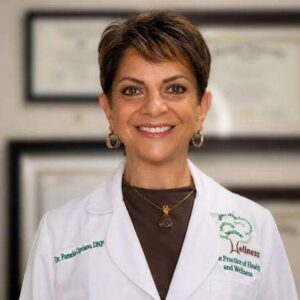
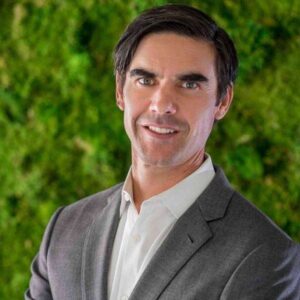
In Episode 579 of the Tick Boot Camp Podcast, Dr. Jernigan joins Matt Sabatello and Rich Johannesen for an in-depth discussion about Lyme disease, chronic infection, bacteriophages, biological medicine, and Induced Native Phage Therapy.
Topics include:
- Bacteriophages and the human phageome
- How phages infect bacteria
- Lytic and lysogenic phage cycles
- Conventional phage therapy versus INPT
- Native versus externally administered phages
- Borrelia burgdorferi, Bartonella, Babesia, and other tick-borne infections
- Biofilms and intracellular bacteria
- Multi-Microbial Activation Syndrome
- Immune dysregulation, inflammation, and MCAS
- Herxheimer reactions
- Personalized Lyme disease treatment
- Treating infection versus repairing physiological damage