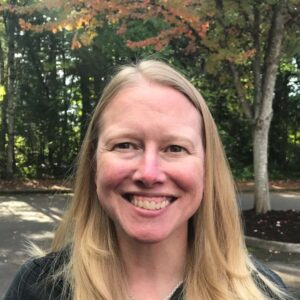
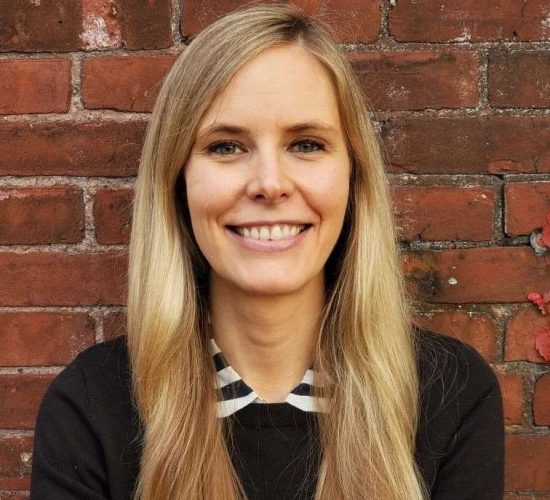
In this powerful and science-forward episode of the Tick Boot Camp Podcast, host Matt Sabatello sits down with Amy Proal, PhD, a leading microbiologist whose work is reshaping how the medical community understands chronic Lyme disease, post-treatment Lyme disease (PTLD), ME/CFS, and Long COVID.
Dr. Proal brings a rare combination of deep scientific expertise, lived experience with chronic illness, and real-world clinical integration, offering listeners clarity on why so many patients remain sick long after standard treatment ends — and what science is finally doing about it.
👩🔬 About Amy Proal, PhD
Amy Proal, PhD, is an internationally recognized microbiologist specializing in the molecular mechanisms by which persistent pathogens alter human immunity, metabolism, and gene expression.
She currently serves in two major leadership roles:
-
President & Research Director,
PolyBio Research Foundation -
Scientific Director,
Cohen Center for Recovery from Complex Chronic Illness (CORE)
at Mount Sinai
Her work focuses on infection-associated chronic illness, including:
-
Chronic Lyme disease & tick-borne co-infections
-
Post-treatment Lyme disease syndrome (PTLD)
-
ME/CFS
-
Long COVID
Dr. Proal is widely known for helping shift the scientific narrative away from psychosomatic explanations and toward biological root causes driven by persistent infection and immune dysregulation.
🧬 PolyBio Research Foundation: Rewriting the Science of Chronic Illness
Dr. Proal co-founded PolyBio Research Foundation in 2018 alongside neuroscientist Dr. Michael VanElzakker, after recognizing that most chronic illness research ignored root cause biology, particularly infection.
What Makes PolyBio Different
-
Led by scientists, not administrators
-
Focused on tissue-based research, not just blood tests
-
Actively recruits researchers from HIV, tuberculosis, and virology fields to study Lyme and ME/CFS
-
Designs research programs
before
fundraising, ensuring scientific rigor
PolyBio has played a major role in advancing research on:
-
Pathogen persistence in human tissue
-
Hidden reservoirs of infection
-
Why standard diagnostics often fail
🏥 Cohen Center for Recovery from Complex Chronic Illness (CORE)
Dr. Proal also serves as Scientific Director of the Cohen Center for Recovery from Complex Chronic Illness (CORE) at Mount Sinai in New York City.
CORE’s Mission
-
Treat patients with Long COVID and chronic tick-borne illness within an insurance-based system
-
Integrate clinical care with active research and clinical trials
-
Establish new standards of care for infection-associated chronic disease
At CORE, Dr. Proal helps design studies that leverage real patient visits — asking critical questions such as:
-
Where is the pathogen hiding?
-
What tissues are affected?
-
What immune pathways are disrupted?
🧠 Persistent Infection & Why Blood Tests Fail
A central theme of the episode is that chronic infection is often a tissue-based disease, not a blood-based one.
Dr. Proal explains:
-
Pathogens like Borrelia (Lyme) and SARS-CoV-2 actively avoid the bloodstream
-
Blood is heavily patrolled by immune cells — tissue offers protection
-
Absence of evidence in blood ≠ absence of infection
This helps explain why:
-
Lyme disease often goes undetected by standard serology
-
Patients remain symptomatic despite “negative tests”
-
Tissue biopsies and advanced imaging are essential for progress
🧬 Molecular Mimicry: How Infection Triggers Autoimmune Symptoms
Dr. Proal provides a clear explanation of molecular mimicry, a key mechanism linking infection and autoimmunity.
What Is Molecular Mimicry?
-
Pathogens produce proteins that closely resemble human proteins
-
The immune system attacks the pathogen — and accidentally attacks the body
-
This creates autoimmune-like disease, even though infection is the trigger
This mechanism helps explain:
-
Why immune suppression may reduce symptoms but worsen disease
-
Why many autoimmune diagnoses may actually be infection-driven
-
Why treating the pathogen matters, not just calming the immune system
🔁 Successive Infection: Why Some Patients Get Sicker Than Others
A major insight from this episode is Dr. Proal’s concept of successive infection.
Rather than genetics alone, she suggests severity is often driven by:
-
Prior infections (Lyme, Bartonella, Babesia, viruses)
-
Environmental exposures (mold, toxins)
-
Physical trauma (concussions, brain injury)
Each “hit” dysregulates the immune system, making the next infection harder to clear — a cumulative burden that explains why:
-
Some people become severely ill from Lyme
-
Others remain asymptomatic despite repeated tick exposure
🧠 Neurological Lyme, the Brain & the Vagus Nerve
Dr. Proal discusses multiple ways Lyme and infections affect the nervous system:
Direct CNS Infection
-
Pathogens crossing the blood–brain barrier
-
Microglial activation causing neuroinflammation
Indirect Neurological Signaling
-
Infection in the gut, heart, or lungs activating the vagus nerve nearby
-
Direct infection of the vagus nerve with Lyme
-
Brainstem signaling triggering fatigue, pain, dysautonomia, and brain fog
This dual-pathway model explains why neurological symptoms can occur even without detectable brain infection.
🧫 Tissue, Imaging & the Future of Diagnostics
One of the most exciting parts of the episode covers next-generation diagnostics, including:
-
Tissue biopsies (gut, lymph nodes, nerve, synovium)
-
Ultra-sensitive molecular detection
-
Immune cell exhaustion markers (e.g., PD-1)
-
Advanced imaging that can map pathogens in the body
Dr. Proal explains how future tools may:
-
Identify not just
presence
, but
activity
of infection -
Distinguish nervous system involvement
-
Enable targeted clinical trials and personalized treatment
🧠 Infection, Alzheimer’s & Neurodegenerative Disease
Dr. Proal also discusses compelling research linking infection to Alzheimer’s disease, including evidence that:
-
Amyloid plaques may be part of the innate immune response
-
Plaques form around viral, bacterial, and fungal pathogens
-
Removing amyloid alone fails because it ignores root cause
This framework aligns with decades of overlooked research connecting Lyme, herpesviruses, and neurodegeneration.
🌱 Hope for the Lyme & Chronic Illness Community
Dr. Proal closes the episode with optimism, highlighting:
-
Rapid advances in diagnostics
-
Better-designed clinical trials
-
Increasing collaboration across institutions
-
A long-overdue shift toward biological validation
Her message is clear: Patients were right. Science is finally catching up.
🔑 Key Topics Covered
-
Chronic Lyme disease
-
Post-treatment Lyme disease syndrome (PTLD)
-
Persistent Borrelia infection
-
Molecular mimicry and autoimmunity
-
Successive infection model
-
Long COVID pathogen persistence
-
Tissue-based diagnostics
-
Neurological Lyme disease
-
Vagus nerve and dysautonomia
-
Cohen Center for Recovery from Complex Chronic Illness
-
PolyBio Research Foundation