Tick Boot Camp Podcast
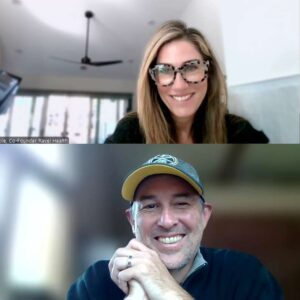
Gerald “Jerry” Simons, MPAS, DFAAPA, PA-C, joined Tick Boot Camp for an in-depth, in-person interview exploring Lyme disease, tick-borne infections, persistent symptoms, emerging research, and his decades of clinical experience.
A Lyme disease clinician at The Morrison Center, researcher at Stony Brook University, and Clinical Assistant Professor, Jerry brings a unique perspective combining hands-on patient care, scientific research, and medical education.
Drawing on more than 30 years of experience, including 11 years working alongside pioneering Lyme physician Dr. Joseph Burrascano, Jerry shares valuable insights into the evolving understanding of Lyme disease, treatment challenges, biofilms, gut health, and the importance of individualized care.
Listen to Jerry’s appearance on the Tick Boot Camp Podcast:
- Episode 648: Stony Brook’s Gerald Simons: Lyme Disease Clinician, Researcher & Professor Reveals the 4 B’s (Coming Soon)
In the episode, Jerry introduces his proposed fourth B, Brucella, alongside Borrelia, Babesia, and Bartonella. He also discusses bacterial persistence, mold exposure, the gut-brain connection, immune health, neurological symptoms, women’s health, and his Lyme disease research at Stony Brook.
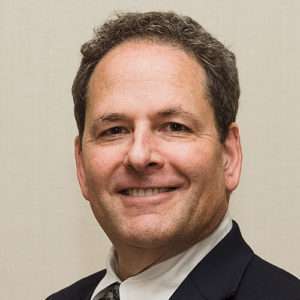
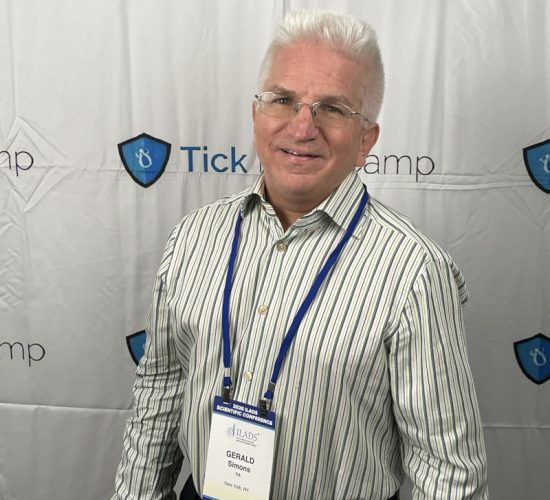
Meet Gerald “Jerry” Simons, MPAS, DFAAPA, PA-C
Gerald T. Simons is an experienced physician assistant specializing in Lyme disease, tick-borne infections, and complex chronic illness. He combines decades of clinical experience with academic research and medical education as a Clinical Assistant Professor at Stony Brook University.
Jerry treats patients through The Morrison Center, an integrative medicine practice founded by Dr. Jeffrey Morrison, while helping educate future healthcare professionals and conducting research into Lyme disease and persistent symptoms.
His work bridges three important areas of Lyme disease medicine: direct patient care, clinical research, and teaching. This combination provides a distinctive perspective on the challenges facing patients and the healthcare professionals who treat them.
Lyme Disease Clinician
More than 30 years of clinical experience treating Lyme disease, tick-borne infections, and complex chronic conditions.
Stony Brook Researcher
Investigates persistent Lyme disease symptoms, fatigue, and opportunities to improve the recognition of tick-borne illness.
Clinical Assistant Professor
Educates future physician assistants at Stony Brook University, including teaching Lyme disease and clinical medicine.
From East Hampton to Lyme Disease Medicine
Jerry’s connection to Long Island runs deep. His family traces its East Hampton roots back to 1685, and he grew up on the East End during the 1970s and 1980s, spending time outdoors, fishing, boating, and encountering ticks.
His path into healthcare began through volunteer emergency medical services. After developing an interest in medicine, he studied cardiorespiratory science at Stony Brook University, graduating with honors in 1993.
He later completed the physician assistant program at Weill Cornell Medicine in 1995, initially focusing on surgical medicine.
An unexpected family connection would ultimately change the direction of his career. Jerry’s grandmother was a patient of Dr. Joseph Burrascano, one of the most influential physicians in the history of Lyme disease treatment.
Through that introduction, Jerry began working at Dr. Burrascano’s East Hampton practice, launching a career dedicated in significant part to Lyme disease and tick-borne illness.
Eleven Years Working with Dr. Joseph Burrascano
In 1995, Jerry began working alongside Dr. Joseph Burrascano in East Hampton, New York, and continued with the practice for approximately 11 years.
During this time, he gained extensive experience treating patients with Lyme disease, persistent symptoms, and complicated tick-borne infections.
He participated in clinical approaches involving antibiotic treatment, neurological assessments, and the evaluation of patients who continued to experience symptoms despite previous treatment.
This early experience shaped Jerry’s interest in bacterial persistence, biofilms, immune dysfunction, and the broader factors that may contribute to complicated patient presentations.
Jerry also helped establish an International Lyme and Associated Diseases Society (ILADS) physician training program in East Hampton, supporting greater physician awareness and education about tick-borne diseases.
His decades of experience provide a firsthand perspective on the evolution of Lyme disease medicine, from the early clinical work of Dr. Burrascano to today’s emerging research and integrative approaches.
Lyme Disease Treatment & Clinical Interests
At The Morrison Center, Jerry works with patients experiencing Lyme disease, tick-borne infections, and complex chronic conditions.
His clinical approach emphasizes detailed medical histories, physical examinations, laboratory evaluation, and individualized treatment strategies.
Jerry’s areas of clinical interest include:
- Lyme disease and persistent Lyme symptoms
- Borrelia burgdorferi and bacterial persistence
- Babesia, Bartonella, and other infections
- Biofilms and antimicrobial treatment approaches
- Gut health and the gastrointestinal microbiome
- Small intestinal bacterial overgrowth (SIBO) and fungal overgrowth (SIFO)
- Immune dysfunction and chronic inflammation
- Mold exposure and environmental health
- Fatigue, brain fog, and neurological symptoms
- Sleep disturbances and nervous system health
- Hypercoagulation and circulation
- Women’s hormonal and reproductive health
- Integrative, herbal, and pharmaceutical treatment approaches
Jerry emphasizes looking beyond a single diagnosis when patients have complicated symptoms, exploring the different factors that may contribute to their illness.
The Four B’s: Borrelia, Babesia, Bartonella & Brucella
During his Tick Boot Camp interview, Jerry introduces an intriguing proposal to expand the traditional three B’s often discussed in Lyme disease medicine into four: Borrelia, Babesia, Bartonella, and Brucella.
He explains that Brucella is a bacterial relative of Bartonella and shares his clinical experiences evaluating patients for infections that may not traditionally be considered in Lyme disease care.
The discussion explores the relationship between these pathogens, the challenges of evaluating patients with multiple symptoms, and the importance of considering different infectious and noninfectious causes.
Gut Health, the Microbiome & the Gut-Brain Connection
Gastrointestinal health is a central focus of Jerry’s clinical practice and teaching.
He is particularly interested in the relationship between the gut microbiome, immune function, inflammation, and neurological health.
His work explores gastrointestinal disorders such as SIBO and SIFO, nutrient absorption, microbial imbalance, and the potential relationship between digestive health and symptoms such as fatigue and brain fog.
During the podcast, Jerry discusses bacteriophages, probiotics, digestive enzymes, breath testing, dietary fiber, and other tools he uses when evaluating gastrointestinal symptoms.
He also highlights the importance of considering the gut-brain connection when caring for patients experiencing chronic neurological and systemic symptoms.
Lyme Disease Research at Stony Brook University
In addition to his clinical practice, Jerry is involved in Lyme disease research at Stony Brook University, where he serves as a Clinical Assistant Professor in the School of Health Professions.
His work reflects a commitment to better understanding persistent symptoms and improving the ability of healthcare professionals to recognize tick-borne illnesses.
Persistent Lyme Disease and Fatigue Research
Jerry has participated in an institutional review board-approved research project examining fatigue among patients with a history of Lyme disease.
The research explores ways to identify, measure, and document persistent fatigue, including practical assessment tools that may be useful during routine clinical visits.
Physical Therapists and Lyme Disease Recognition
Jerry also discusses research involving Stony Brook’s Physical Therapy Department and the ability of physical therapists to recognize patients who may have Lyme disease or other tick-borne illnesses.
This work explores opportunities to improve awareness among healthcare professionals who may encounter patients with unexplained pain, fatigue, neurological symptoms, or musculoskeletal complaints.
Teaching Future Healthcare Professionals
At Stony Brook Southampton, Jerry helps educate future physician assistants, sharing decades of experience in surgery, clinical medicine, gastrointestinal health, and Lyme disease.
His teaching covers topics including physical diagnosis, the gut microbiome, the gut-brain connection, and complex patient care.
Learn more about Jerry’s teaching and research at Stony Brook University.
Stony Brook Southampton Tick-Borne Disease Resource Center
Jerry is a founding advisor to the Regional Tick-Borne Disease Resource Center at Stony Brook Southampton Hospital.
The Center works to improve public awareness of tick-borne illnesses and supports collaboration among healthcare professionals involved in recognizing, evaluating, and treating tick-borne disease.
Jerry’s involvement reflects his longstanding commitment to Lyme disease education, patient advocacy, and medical collaboration on Long Island.
Professional Recognition, Leadership & Awards
Jerry’s contributions to medicine extend beyond Lyme disease treatment. Throughout his career, he has served as a clinical educator, physician assistant leader, researcher, and community volunteer.
His professional accomplishments include:
- 2010 National Humanitarian Award from the Turn the Corner Foundation for his work treating Lyme disease patients
- Recognition for original research at the 2024 New York State Society of Physician Associates conference
- National recognition for excellence in physician assistant clinical education and preceptorship
- Kirklin Award for Excellence in Surgical Skills
- Two terms as president of the American Association of Surgical Physician Assistants
- Contributions to international physician assistant education
- Longstanding volunteer involvement in emergency medical services and firefighting
His background combines surgical medicine, emergency care, physician assistant education, and decades of work with the Lyme disease community.
A Patient-Centered Approach to Complex Lyme Disease
Jerry believes that patients experiencing persistent symptoms deserve to be heard and evaluated comprehensively.
During his Tick Boot Camp interview, he shares a framework he uses to understand patients with clearer diagnoses, patients who have spent years searching for answers, and patients whose symptoms may be caused by conditions other than Lyme disease.
He emphasizes the importance of asking questions, examining the whole patient, and avoiding assumptions about the cause of illness.
His work brings together clinical experience, scientific curiosity, and a commitment to helping patients navigate complicated health challenges.
Contact Gerald Simons for Lyme Disease Care
Jerry provides clinical care through The Morrison Center, an integrative medicine practice founded by Dr. Jeffrey Morrison.
Patients interested in scheduling an appointment can contact the practice to learn about current locations, availability, and consultation options.
The Morrison Center
461 Park Avenue South, 12th Floor
New York, NY 10016
Phone: 212-989-9828
Frequently Asked Questions About Gerald Simons
Who is Gerald “Jerry” Simons?
Gerald Simons, MPAS, DFAAPA, PA-C, is a Lyme disease clinician at The Morrison Center, researcher at Stony Brook University, and Clinical Assistant Professor who educates future physician assistants.
Does Gerald Simons treat Lyme disease patients?
Yes. Jerry has treated patients with Lyme disease and complex tick-borne illnesses since 1995. He currently provides clinical care through The Morrison Center.
Is Gerald Simons a professor at Stony Brook?
Yes. Jerry is a Clinical Assistant Professor at Stony Brook University’s School of Health Professions, where he teaches physician assistant students at the Southampton campus.
What Lyme disease research does Gerald Simons conduct?
His research interests include persistent Lyme disease symptoms and fatigue, as well as improving the recognition of tick-borne illness among healthcare professionals.
Did Gerald Simons work with Dr. Joseph Burrascano?
Yes. Jerry began working with Dr. Joseph Burrascano in East Hampton in 1995 and continued with the practice for approximately 11 years.
What are Gerald Simons’ four B’s of Lyme disease?
During his Tick Boot Camp interview, Jerry proposes expanding the familiar three B’s of Lyme disease discussions—Borrelia, Babesia, and Bartonella—to include a fourth bacterial genus, Brucella.
Where does Gerald Simons see patients?
Jerry is affiliated with The Morrison Center in New York. Patients should contact the practice for current appointment locations, scheduling, and consultation availability.
Where can I listen to Jerry Simons on Tick Boot Camp?
Jerry appears in Episode 648 of the Tick Boot Camp Podcast, discussing Lyme disease, Brucella, biofilms, gut health, treatment approaches, Stony Brook research, and his experiences working with Dr. Joseph Burrascano.
Related Tick Boot Camp Interviews & Resources
Continue exploring Lyme disease research, integrative medicine, and the experiences of patients and healthcare professionals through these Tick Boot Camp resources.
- Episode 550: Jesse Ruben — Chronic Lyme Disease, Music, Remission, Relapse & the Long Road Back
- Dr. Alan MacDonald — Lyme Disease Research
- Dr. Tania Dempsey — MCAS, Chronic Lyme Disease, Biofilms & Precision Medicine
- Nikki Schultek — Understanding the Pathobiome
- Dr. Richard Horowitz — Lyme Disease & Complex Chronic Illness
- Understanding Lyme Disease Testing
Learn More About Lyme Disease with Tick Boot Camp
Gerald Simons’ career reflects the importance of combining patient care, research, and medical education to advance understanding of Lyme disease.
Through his work at The Morrison Center and Stony Brook University, Jerry continues to support patients, investigate persistent symptoms, and help educate the next generation of healthcare professionals.
Explore more interviews with Lyme disease clinicians, researchers, and patients through Tick Boot Camp.