
Could Lyme disease, Bartonella, or Babesia be contributing to symptoms that have been attributed to fibromyalgia, hormonal changes, chronic fatigue, or other conditions? And why might addressing an infection be only one part of a patient’s recovery journey?
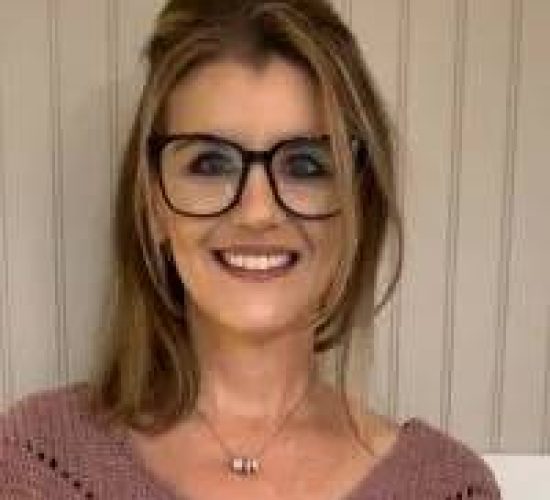
In this LIVE from ILADS episode of the Tick Boot Camp Podcast, co-host Rich Johannesen interviews Dr. Meagan McLaughlin, DNP, FNP-C, IFMCP, a functional medicine nurse practitioner at Aurora Integrative Medical Clinic in Mount Vernon, Iowa.
Recorded at the 2025 International Lyme and Associated Diseases Society (ILADS) Conference in San Antonio, Texas, the conversation explores the growing recognition of tick-borne diseases in the Midwest, the complexity of Lyme disease and coinfections, and the importance of a comprehensive, individualized approach to patient care.
Dr. McLaughlin discusses her experience evaluating patients with Lyme disease, Bartonella, Babesia, anaplasmosis, and tick-borne relapsing fever. She also explains why her clinical assessments extend beyond infectious disease testing to consider nutrition, gastrointestinal health, hormones, thyroid function, sleep, and other factors that can influence overall health.
But one of the most important themes of the conversation is the relationship between patients and healthcare professionals.
Dr. McLaughlin believes that patients should be active partners in their healthcare, understand why treatments are recommended, and feel empowered to participate in decisions about their recovery.
Together, Rich and Dr. McLaughlin explore how education, communication, comprehensive medical histories, and collaborative care can help transform the patient experience.
Meet Dr. Meagan McLaughlin, DNP, FNP-C, IFMCP
Dr. Meagan McLaughlin is an advanced nurse practitioner specializing in functional and integrative medicine at Aurora Integrative Medical Clinic in Mount Vernon, Iowa, near Cedar Rapids and Iowa City.
Originally from Anchorage, Alaska, she eventually settled in Iowa, where she developed an interest in autoimmune disease, chronic illness, and the potential role of infections and environmental factors in complex medical conditions.
Dr. McLaughlin earned her Doctor of Nursing Practice degree at Clarke University and is certified through the Institute for Functional Medicine.
Her professional interests include:
- Lyme disease and associated tick-borne infections
- Autoimmune conditions
- Chronic inflammatory illnesses
- Thyroid and hormone dysfunction
- Nutritional and gastrointestinal health
- Integrative and functional medicine
- Individualized approaches to complex chronic illness
She has also completed physician training through ILADS and participates in continuing education related to Lyme disease and associated conditions.
Learn more about her background through the clinic’s official provider biographies.
How Autoimmune Disease Led Her to Functional Medicine
Dr. McLaughlin explains that her interest in functional medicine began with her family’s experiences.
Several family members had autoimmune conditions, and her daughter was diagnosed with an autoimmune illness at a young age.
These experiences motivated her to investigate why certain individuals develop chronic illnesses.
She became interested in genetics, environmental exposures, immune regulation, and other factors that may influence disease.
As she expanded her education, she began exploring the potential role of infections, including tick-borne pathogens, in some complex clinical presentations.
This eventually led her to ILADS and additional training in Lyme disease and associated infections.
Dr. McLaughlin emphasizes the importance of continuing education and remaining open to new information when patients are not improving.
Lyme Disease in Iowa: Why Tick-Borne Illness Isn’t Just a Northeast Problem
Rich asks Dr. McLaughlin about the patients she encounters in Iowa.
Although Lyme disease is often associated with the Northeast, tick-borne infections are also important public health concerns in parts of the Midwest.
Dr. McLaughlin explains that her practice serves a diverse population.
Some patients live in rural communities, work on farms, hunt, or spend substantial time outdoors.
Others come from suburban areas, college communities, and nearby cities.
She describes seeing patients from Mount Vernon, Cedar Rapids, Iowa City, and surrounding communities.
Her experience challenges the assumption that tick-borne diseases affect only people who regularly hike or spend time in wooded environments.
Tick exposure can occur in many everyday outdoor settings, including residential yards.
Lyme Disease Symptoms That Can Resemble Other Conditions
Dr. McLaughlin discusses the wide range of symptoms she encounters among patients being evaluated for possible tick-borne infections.
Some report persistent fatigue, insomnia, joint pain, or generalized aches.
Others experience more complicated symptoms involving the nervous system or cardiovascular system.
Examples discussed include:
- Chronic fatigue
- Joint and muscle pain
- Symptoms resembling fibromyalgia
- Sleep disturbances
- Brain fog and cognitive difficulties
- Heart palpitations
- Postural orthostatic tachycardia syndrome (POTS)
- Autonomic nervous system dysfunction
- Symptoms that overlap with perimenopause
- Recurrent or severe illness episodes
Dr. McLaughlin describes Lyme disease as a condition that can sometimes be difficult to recognize because its symptoms overlap with other illnesses.
However, these symptoms are not specific to Lyme disease. POTS, fibromyalgia, hormonal changes, thyroid disorders, autoimmune diseases, and other conditions can have independent causes.
A comprehensive medical evaluation is important to determine which diagnoses are supported by a patient’s history, examination, and appropriate testing.
Beyond Borrelia: Bartonella, Babesia, and Other Tick-Borne Infections
One of the central topics is the possibility of multiple infections.
Rich discusses how Tick Boot Camp guests increasingly describe complex diagnostic histories involving several organisms.
He refers to the three Bs:
Borrelia, Bartonella, and Babesia.
Dr. McLaughlin explains that her practice evaluates patients for multiple tick-borne pathogens when clinically appropriate.
She discusses encountering patients with laboratory findings involving:
- Borrelia: Bacteria associated with Lyme disease and certain relapsing fever illnesses
- Babesia: Parasites that infect red blood cells and cause babesiosis
- Bartonella: Bacteria associated with several human diseases, including cat-scratch disease
- Anaplasma: Bacteria responsible for human granulocytic anaplasmosis
- Tick-borne relapsing fever pathogens: Borrelia species associated with relapsing fever
She particularly highlights Babesia and anaplasmosis among infections encountered in her regional patient population.
Dr. McLaughlin also discusses the importance of considering travel and exposure histories, including connections between Iowa, Wisconsin, and Minnesota.
During the interview, she estimates that a high percentage of patients selected for testing in her specialty practice have positive findings.
These figures reflect her experience with a highly selected clinical population and should not be interpreted as infection prevalence in Iowa or the general public.
Likewise, multiple positive laboratory findings do not automatically establish multiple active infections. Each result requires appropriate clinical interpretation.
Understanding Lyme Disease and Coinfection Testing
Dr. McLaughlin describes using specialized laboratory testing as part of her clinical evaluations.
She mentions IGeneX and ArminLabs as laboratories her practice has used.
Her approach emphasizes gathering information that may help guide individualized treatment decisions.
She also explains that some patients undergo additional testing over time as their clinical picture changes.
Not all Lyme disease or coinfection tests have the same clinical validation, sensitivity, or specificity.
Testing methods should be selected according to the suspected infection, symptoms, exposure history, and current diagnostic guidance.
For Lyme disease, validated two-tier antibody testing remains an important diagnostic approach. Other infections, including babesiosis and anaplasmosis, may require different laboratory methods.
A positive test does not always establish active infection, and a negative result must be interpreted in the context of the disease being evaluated.
Learn more through Tick Boot Camp’s Lyme Disease Testing Resource.
Why Treating Lyme Disease May Require Looking at the Whole Patient
Dr. McLaughlin explains that her approach to complex chronic illness involves more than identifying possible pathogens.
She also considers factors that may influence a patient’s symptoms, general health, and ability to tolerate treatment.
These include:
- Nutritional status
- Sleep quality
- Thyroid function
- Hormonal health
- Gastrointestinal symptoms
- Kidney and liver function
- Medication and supplement use
- Other diagnosed medical conditions
She gives the example of a patient with poor sleep, sleep apnea, nutritional problems, and hormonal concerns.
Even when an infection is appropriately diagnosed and treated, those additional medical issues may continue contributing to symptoms.
Her broader message is that patients deserve a comprehensive assessment rather than an assumption that every symptom has one explanation.
Treating a confirmed infection and addressing other health conditions are complementary goals, not competing approaches.
Supportive lifestyle and nutritional care can be important, but they do not replace appropriate antimicrobial treatment for infections that require it.
The Importance of Nutrition, Gut Health, Hormones, and Sleep
Dr. McLaughlin describes laboratory evaluation as an important part of her practice.
Depending on the patient’s history and symptoms, she may assess nutritional deficiencies, thyroid function, hormone levels, and organ function.
She also discusses gastrointestinal health and the microbiome.
Her goal is to identify additional medical concerns that may complicate recovery or contribute to persistent symptoms.
For example, untreated sleep apnea, thyroid disease, or a nutritional deficiency can produce fatigue and other symptoms that overlap with those attributed to Lyme disease.
Evaluating these possibilities can help clinicians develop more complete treatment plans.
Not every patient requires extensive hormone, microbiome, or specialty testing. The usefulness of individual tests depends on the clinical situation, and some commercial functional medicine tests have limited evidence of clinical utility.
What Happens During a First Appointment?
Rich asks Dr. McLaughlin to explain what a new patient can expect when contacting her practice.
She emphasizes the importance of a detailed medical history before the initial appointment.
Her clinic asks patients to complete intake information in advance so the care team can review their experiences and previous evaluations.
This may include:
- Current symptoms and concerns
- Previous diagnoses
- Medical and family history
- Prior laboratory testing
- Previous treatments
- Medications and supplements
- Lifestyle and environmental information
- Treatment goals
Dr. McLaughlin explains that many patients arrive after visiting multiple healthcare providers.
Some have already completed extensive testing or tried different treatment approaches.
Reviewing those records helps her identify what has been evaluated, what remains uncertain, and which additional steps may be appropriate.
Depending on the presentation, she may recommend further evaluation or discuss treatment options.
For certain acute tick-borne illnesses, prompt treatment can be important and should not be delayed while waiting for every laboratory result.
Why Patients Should Be Partners in Their Healthcare
One of the most meaningful conversations in the interview centers on patient responsibility and collaboration.
Rich shares how his perspective changed after working with Dr. Casey Kelley, an ILADS-trained physician who required him to complete a detailed medical questionnaire.
Initially, he found the paperwork frustrating.
But as he worked through it, he realized that the process was encouraging him to reflect on his medical history and take a more active role in his care.
He began to see healthcare as a partnership rather than something he could simply delegate to a physician.
Dr. McLaughlin agrees.
She explains that clinicians can provide medical knowledge, treatment recommendations, and support, but patients also contribute essential information about their symptoms, experiences, and goals.
A successful partnership requires communication and shared decision-making.
Importantly, patients should receive the support they need to participate at a level that is realistic for their circumstances. Severe illness, cognitive impairment, disability, and financial barriers can make participation difficult.
Patient empowerment should mean being supported and heard—not being blamed when treatment is unsuccessful.
Dr. Casey Kelley and the Value of Mentorship
During the conversation, Dr. McLaughlin reveals that Dr. Casey Kelley served as a mentor during her ILADS physician training.
Rich is particularly excited by this connection because Dr. Kelley had also influenced his understanding of collaborative healthcare.
He recognizes similarities between their approaches.
Both emphasize comprehensive medical histories, patient education, and an active partnership between patients and clinicians.
Dr. McLaughlin also discusses the importance of continuing to consult colleagues and learn from other healthcare professionals when patients are not improving.
She sees ILADS as a community where clinicians can exchange ideas, pursue additional education, and work toward better patient outcomes.
Why Patient Education Matters During Treatment
Dr. McLaughlin explains that patient education occupies a substantial portion of her appointments.
She describes showing patients medical studies, illustrations, and other educational materials to explain her clinical reasoning.
Topics may include infections, immune responses, treatment mechanisms, and emerging research.
She believes patients are more likely to understand and participate in treatment when they know why a particular intervention is being recommended.
Rather than simply handing someone a list of medications or supplements, she wants patients to understand the goals and rationale behind their care.
She also acknowledges that different patients prefer different levels of detail.
Some want to review studies and explore the science.
Others prefer a simpler explanation and clear next steps.
The goal is to communicate in a way that respects each patient’s needs.
Moving Beyond Medical Dismissal Toward Collaboration
Rich and Dr. McLaughlin discuss the frustration many patients experience when they feel their symptoms have not been adequately understood.
They also explore the pressures facing healthcare professionals.
Dr. McLaughlin notes that clinicians working in conventional medical settings may have limited appointment time and may not have received extensive training in every aspect of complex chronic illness.
Rich emphasizes that improving relationships between patients and healthcare professionals can benefit both groups.
Their conversation encourages greater communication, mutual respect, and continued education.
Patients deserve to have their symptoms taken seriously, even when an explanation is not immediately available.
At the same time, clinicians benefit from accurate medical histories, open communication, and opportunities to pursue additional training.
Respectful collaboration does not require patients to ignore dismissive experiences or accept inadequate care.
Patients can advocate for themselves, seek second opinions, and ask questions while maintaining constructive relationships with their healthcare teams.
Pediatric Neuroinflammation, PANS, and PANDAS
Near the end of the interview, Dr. McLaughlin discusses the expansion of pediatric services at Aurora Integrative Medical Clinic.
She mentions the addition of a pediatric nurse practitioner with an interest in neuroinflammatory conditions, including PANS and PANDAS.
These conditions can involve abrupt-onset neuropsychiatric symptoms and require careful medical assessment.
The clinic’s official provider information identifies Dr. Erin Mitchell, DNP, CPNP-PC, as a pediatric nurse practitioner with experience in pediatric care and additional integrative medicine training.
For more on the relationship between pediatric complex illness, tick-borne disease, and neuropsychiatric symptoms, listen to Dr. Somer DelSignore on Pediatric Lyme Disease, Autism Regression, PANS/PANDAS, and Root-Cause Healing.
How to Connect With Aurora Integrative Medical Clinic
Dr. McLaughlin practices at Aurora Integrative Medical Clinic in Mount Vernon, Iowa.
During the interview, she explains that the clinic offers in-person appointments and certain telehealth opportunities, including for eligible patients in Wisconsin.
She notes that some services or treatments may require in-person evaluation.
Telehealth availability depends on clinician licensure, the patient’s location, and the services requested.
Patients interested in learning more can visit the clinic’s website for current scheduling information.
Aurora Integrative Medical Clinic
713 1st Avenue NW
Mount Vernon, Iowa 52314
Phone: 319-895-4080
Visit Aurora Integrative Medical Clinic
Meet Dr. Meagan McLaughlin and the Aurora Care Team
Key Takeaways From Dr. Meagan McLaughlin
- Tick-borne illnesses are not limited to the Northeast. Dr. McLaughlin discusses patients in Iowa and neighboring Midwestern states.
- Lyme disease symptoms can overlap with other conditions. Fatigue, pain, sleep disturbances, and autonomic symptoms require careful evaluation.
- Coinfections deserve consideration when clinically appropriate. The discussion includes Bartonella, Babesia, anaplasmosis, and tick-borne relapsing fever.
- Testing must be interpreted carefully. Laboratory findings should be considered alongside symptoms, exposure history, and validated diagnostic criteria.
- Comprehensive care looks beyond one diagnosis. Sleep, nutrition, thyroid function, and other health conditions can influence how patients feel.
- A detailed intake can improve communication. Medical histories and prior records help clinicians understand complicated cases.
- Patients deserve a collaborative relationship with their providers. Shared decision-making helps people understand their options.
- Education can support informed treatment decisions. Dr. McLaughlin emphasizes explaining the reasoning behind recommendations.
- Healthcare professionals benefit from collaboration and continuing education. Mentorship and professional communities can help clinicians expand their knowledge.
- Pediatric complex illness requires specialized attention. The clinic is expanding services for children, including those with neuroinflammatory concerns.
- Tick prevention matters in everyday environments. Exposure can occur around homes and other familiar outdoor spaces.
- Hope and advocacy can coexist with scientific rigor. Patients deserve compassionate care, accurate information, and treatment plans grounded in their individual needs.
Resources Mentioned in This Episode
Guest and Clinic
- Aurora Integrative Medical Clinic – Official Website
- Dr. Meagan McLaughlin – Official Provider Biography
- Aurora Integrative Medical Clinic – Functional Medicine
Lyme Disease Education
- International Lyme and Associated Diseases Society (ILADS)
- Tick Boot Camp Lyme Disease Testing Resource
- Tick Boot Camp Tick Bite Blueprint
- Tick Boot Camp Doctors Podcast Collection
- Tick Boot Camp Podcast – Patient Stories and Expert Interviews
- Dr. Somer DelSignore on Pediatric Lyme Disease and PANS/PANDAS
About This LIVE from ILADS Episode
This episode was recorded at the 2025 ILADS Conference in San Antonio, Texas, where Tick Boot Camp co-host Rich Johannesen interviewed Dr. Meagan McLaughlin, DNP, FNP-C, IFMCP, of Aurora Integrative Medical Clinic in Mount Vernon, Iowa.
The conversation explores Lyme disease and tick-borne coinfections in the Midwest, including Borrelia, Bartonella, Babesia, anaplasmosis, and tick-borne relapsing fever.
Dr. McLaughlin explains her integrative approach to complex chronic illness, emphasizing comprehensive medical histories, individualized laboratory evaluation, nutrition, hormonal health, sleep, and patient education.
Rich and Dr. McLaughlin also discuss the importance of collaborative healthcare, her mentorship under Dr. Casey Kelley, the value of ILADS training, and the clinic’s expanding pediatric services.
For patients navigating Lyme disease or unexplained chronic symptoms, this conversation reinforces an important message: you deserve to be heard, informed, and actively involved in your healthcare.