LIVE from ILADS: Tick Boot Camp reconnects with Dr. Alexis Chesney, MS, ND, LAc for a focused conversation about babesiosis, Lyme disease, coinfections, diagnostic challenges, herbal medicine, recovery, rehabilitation, and what it means to treat the whole person rather than a single infection.
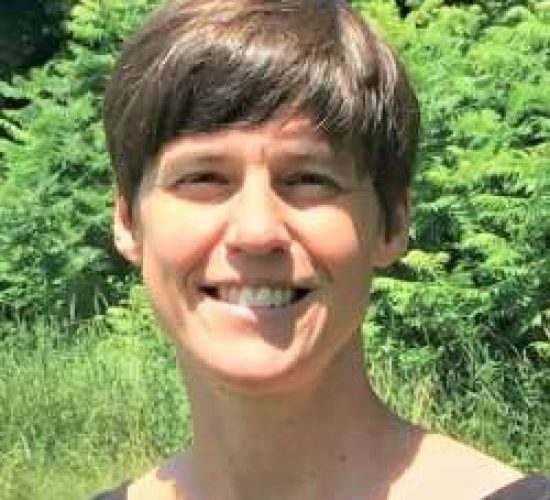
Dr. Chesney is a naturopathic physician and acupuncturist specializing in Lyme disease and other tick-borne illnesses. In this short-form conference interview, she explains why Babesia deserves more attention, how the clinical picture of tick-borne disease has become increasingly complex, and why successful treatment often requires much more than simply targeting microbes.
This interview was recorded live at the ILADS conference, so you may hear some of the energy and background activity of the event throughout the conversation.
Why Babesia Deserves More Attention
One of the main focuses of this conversation is babesiosis, a tick-borne infection caused by Babesia parasites.
Dr. Chesney explains that Babesia differs fundamentally from Lyme disease because the organism infects red blood cells. That difference affects both how the disease presents and how practitioners approach diagnosis and treatment.
Symptoms discussed in the interview include:
- Night sweats
- Air hunger
- Heart palpitations
- Fatigue
- Symptoms related to red blood cell involvement
- Persistent symptoms that remain after other infections have been addressed
Dr. Chesney emphasizes that a patient may improve from treatment directed at Borrelia while continuing to experience symptoms that point toward Babesia or another coinfection.
A Naturopathic Approach to Babesiosis
Dr. Chesney recently published The Diagnosis and Treatment of Babesiosis: A Naturopathic Approach to an Emerging Tick-Borne Disease.
Her article examines babesiosis from an integrative perspective, including epidemiology, clinical presentation, testing, pharmaceutical treatment, botanical medicine, and supportive naturopathic care.
In the interview, she discusses combining conventional and natural approaches rather than viewing them as mutually exclusive.
She describes using pharmaceutical therapies such as atovaquone and azithromycin when appropriate, followed by or combined with botanical strategies intended to address Babesia and support the patient’s overall physiology.
Herbal Medicine & Supporting the Body
Dr. Chesney’s approach goes beyond simply trying to eliminate an organism.
She discusses botanical medicine that may help address Babesia while also supporting the red blood cells and other systems affected by infection.
Her broader point is that treatment should consider both sides of the equation:
How do we reduce the microbial burden, and how do we help the body function better while we do it?
That whole-person approach is a central theme of naturopathic and integrative medicine.
Dr. Chesney’s published work discusses botanical options including Japanese knotweed, cryptolepis, Artemisia annua, Chinese skullcap, Bidens pilosa, and Sida acuta, along with supportive strategies intended to address detoxification, immune function, and tissue protection.
Lyme Disease Is Increasingly a Polymicrobial Picture
Tick Boot Camp and Dr. Chesney also discuss how the clinical picture of Lyme disease has changed.
Increasingly, patients are not presenting with only Borrelia.
Instead, clinicians may encounter combinations involving:
- Lyme disease
- Babesiosis
- Bartonellosis
- Anaplasmosis
- Other tick-borne infections
- Reactivated or latent viruses
- Long COVID
- Immune dysfunction
- Overlapping chronic conditions
Dr. Chesney explains that these overlapping illnesses can produce similar symptoms, making careful clinical investigation especially important.
This is one reason experienced practitioners matter.
Testing can be useful, but the clinical picture remains an essential part of diagnosis and treatment planning.
Babesia Testing & the Clinical Picture
The conversation also explores the limitations of testing.
Dr. Chesney discusses using different diagnostic tools depending on the situation, including PCR, antibody testing, and Babesia FISH testing.
She emphasizes that laboratory results must be interpreted alongside symptoms, history, exposure, and the patient’s response to treatment.
For example, a patient who continues to experience night sweats, air hunger, or palpitations after other aspects of treatment may warrant further evaluation for Babesia even when earlier testing has been inconclusive.
The message is not that patients should diagnose themselves.
It is the opposite: complex tick-borne illness often requires an experienced clinician who understands both the strengths and limitations of available diagnostics.
Why Patients Shouldn’t Have to Become Their Own Doctors
One important part of the interview addresses a common experience in the Lyme community: patients often become extremely educated because they have struggled to find appropriate care.
That education can be empowering, but Dr. Chesney and Tick Boot Camp emphasize that patients should not be forced to manage complex infectious disease on their own.
Lyme disease and associated infections can involve multiple pathogens, immune dysfunction, overlapping symptoms, changing clinical presentations, and imperfect diagnostic tools.
Finding an experienced practitioner who understands these complexities can make a tremendous difference.
Dr. Chesney describes spending substantial time gathering patient history and looking for patterns rather than simply treating laboratory values.
A Whole-Person Recovery Framework
The conversation then moves beyond diagnosis and antimicrobial treatment into the broader recovery process.
Tick Boot Camp shares its PARM framework:
- Prehabilitation
- Assist
- Rehabilitation
- Maintenance
Dr. Chesney discusses how this framework aligns with what she sees clinically.
Not every patient is physically ready to begin aggressive antimicrobial therapy immediately.
Some patients may first need support involving:
- Nutrition
- Sleep
- Movement
- Stress reduction
- Immune support
- Detoxification pathways
- Liver support
- Lymphatic support
- Kidney support
For people who have been chronically ill for years, strengthening the body before more intensive treatment can be an important part of the process.
Rehabilitation After Chronic Lyme Disease
Getting through antimicrobial treatment does not necessarily mean recovery is finished.
Dr. Chesney discusses the importance of rehabilitation and reconditioning, especially for patients who have spent months or years significantly limited by illness.
Physical therapy can become an important tool for patients who have lost strength, endurance, mobility, or confidence in their bodies.
The conversation highlights a reality that many recovering patients discover:
There can be a period between treating illness and fully returning to life.
That phase deserves attention too.
Maintenance, Prevention & Avoiding Reinfection
Recovery also includes learning how to protect the progress that has been made.
Dr. Chesney has made tick-bite prevention a major focus of her work after repeatedly seeing patients recover from Lyme disease only to experience another tick bite and a new infection.
Her book, Preventing Lyme & Other Tick-Borne Diseases, is designed as a practical field guide covering tick identification, tick-bite prevention, landscape strategies, what to do after a bite, and information about common tick-borne diseases.
The goal is not to create fear around the outdoors.
It is to help people enjoy life while understanding how to reduce risk.
Lifestyle, Resilience & Long-Term Health
The final portion of the conversation expands even further.
Dr. Chesney and Tick Boot Camp discuss how recovery from chronic illness can become an opportunity to reevaluate the foundations of health.
That may include:
- Better nutrition
- Consistent sleep
- Exercise and movement
- Stress management
- Reducing unnecessary exposures
- Rebuilding strength
- Supporting emotional health
- Supporting spiritual health
- Developing sustainable habits
For many people, recovering from Lyme disease is not simply about returning to exactly who they were before becoming sick.
It can become a process of learning the body more deeply and building a healthier life moving forward.
About Dr. Alexis Chesney
Dr. Alexis Chesney, MS, ND, LAc is a naturopathic physician, acupuncturist, author, and educator specializing in Lyme disease and other tick-borne illnesses.
She trained with Dr. Richard Horowitz and has spent years treating patients with Lyme disease, babesiosis, Bartonella, and other complex vector-borne conditions.
Dr. Chesney has also served in leadership roles with the International Lyme and Associated Diseases Society, including work with its Naturopathic Medicine Committee and physician training programs.
She is the author of Preventing Lyme & Other Tick-Borne Diseases, a practical guide to tick identification, prevention, tick bites, and tick-borne illness.
Read Dr. Chesney’s article The Diagnosis and Treatment of Babesiosis: A Naturopathic Approach to an Emerging Tick-Borne Disease for a deeper look at the subject discussed in this episode.
Key Topics in This Episode
Lyme disease, babesiosis, Babesia, Bartonella, tick-borne disease, coinfections, Dr. Alexis Chesney, naturopathic medicine, herbal medicine, Babesia treatment, Babesia testing, Babesia FISH, atovaquone, azithromycin, botanical medicine, immune support, detoxification, chronic Lyme disease, polymicrobial infection, tick prevention, Lyme disease prevention, physical rehabilitation, whole-person medicine, integrative medicine, functional medicine, Lyme recovery, and tick-bite prevention.
About This LIVE from ILADS Interview
This short-form conversation was recorded in person at the 2025 International Lyme and Associated Diseases Society Annual Scientific Conference, From Terrain to Treatment: Advances in Vector-Borne Illness, held October 9–12, 2025, in San Antonio, Texas.
Because these interviews were recorded live at the conference, they have a different feel from Tick Boot Camp’s traditional long-form virtual and studio conversations — shorter, focused, and surrounded by the activity of one of the world’s major gatherings of Lyme and tick-borne disease clinicians and researchers.
Explore all Tick Boot Camp LIVE from ILADS interviews.
More from Tick Boot Camp
Hear more conversations with Lyme disease doctors and healthcare professionals about testing, treatment, recovery, and complex tick-borne illness.
Explore the Tick Boot Camp Podcast for interviews with patients, doctors, researchers, advocates, and others working to improve understanding of Lyme disease and help people move toward recovery.